
Full breakdowns of the books that shaped UFO research — core thesis, key arguments, critical reception, and how each one connects back to the case files and theories on this site. Not a bibliography; a reading guide.
Browse the Full 700+-Title Reading List →
The CUFOS-published catalog that gathered ufology's scattered ground-trace reports — scorched vegetation, hardened soil, landing-gear impressions — into one indexed reference, compiled by the investigator who documented the Delphos, Kansas ring within weeks of the sighting.
The founding, first-person chronicle of "the Warminster Thing" by the local journalist who became its central chronicler — a genuine primary document of a British UFO flap, and, per its own critics, an uncritical one that outran what the evidence could support.

The founding text of the modern skeptic movement, whose "Abducted! Encounters with Aliens" chapter dismantles the Roswell alien autopsy film and critiques Harvard psychiatrist John Mack's abduction research — built around Shermer's own sleep-deprivation "abduction" hallucination.
A working astrophysicist's chapter-by-chapter debunking of common astronomical misconceptions — including a chapter on misidentified flying objects already cited by name in three of this site's own case files, and a direct rebuttal of the Bonilla comet-fragment hypothesis.
A former TORRO Ball Lightning Division director's rigorous scientific literature survey of the phenomenon most frequently invoked as a mundane explanation across this site's own case files — from Levelland to Hessdalen — and a demonstration of what honestly inconclusive science looks like.
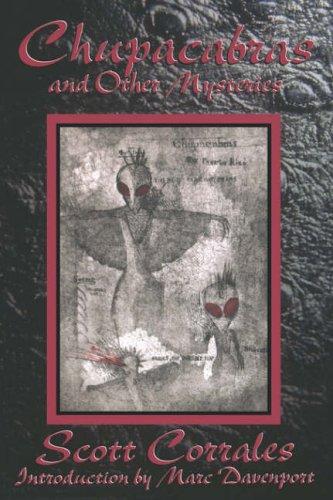
The first English-language chronicle of Puerto Rico's 1995 chupacabra wave, built from Puerto Rican field investigation that treated the livestock attacks as tangled up with concurrent UFO sightings and government-experiment rumors — not a stand-alone monster story.
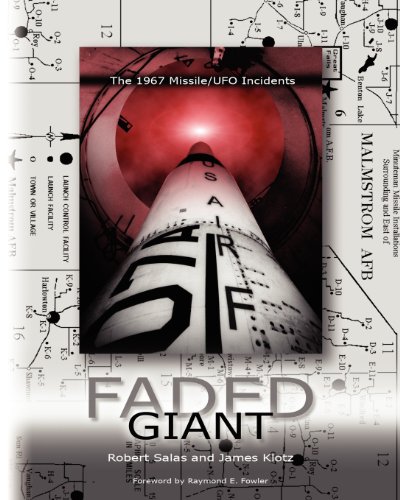
The Oscar Flight deputy crew commander's own firsthand account of the March 1967 Malmstrom AFB missile shutdowns, paired with a decade of FOIA-obtained documentation — and the genuine corroboration dispute still dividing the case's own witness pool.
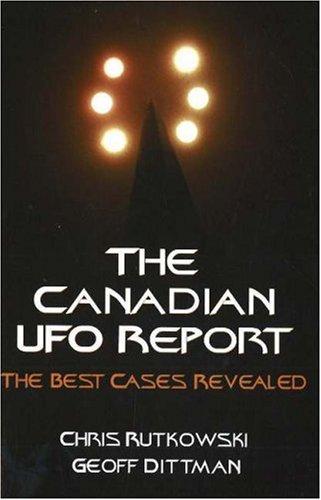
Canada's own long-running UFO researcher and the coordinator of the annual Canadian UFO Survey walk through the country's best-documented cases — Falcon Lake, Shag Harbour, Charlie Redstar, and CFS Falconbridge — built from their own decades-deep case archive rather than secondhand American sources.
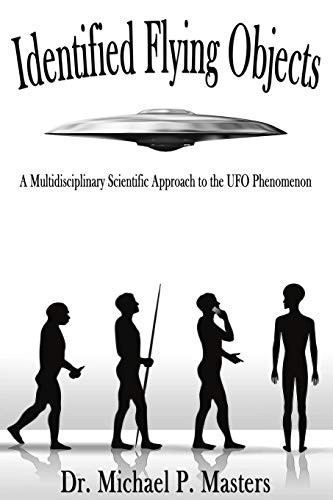
A tenured biological anthropologist argues UAP occupants aren't extraterrestrials but our own future descendants, using hominin encephalization trends and real closed-timelike-curve physics — and reinterprets the Betty and Barney Hill case as genetic sampling by time-traveling researchers.
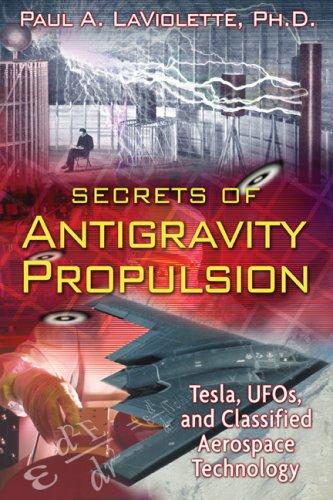
A systems scientist with a real 1983 Portland State Ph.D. argues Tesla- and T. Townsend Brown-descended antigravity research was secretly perfected by U.S. aerospace programs — resting its central "Project Skyvault" claim on one anonymous Rocketdyne informant, and its physics on a self-originated framework mainstream physicists have never engaged with.
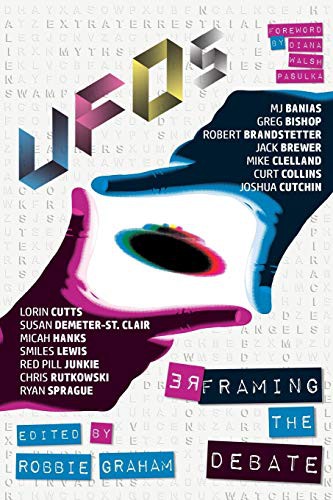
Fourteen contributors, with a foreword by Diana Walsh Pasulka two years before American Cosmic, argue that ufology's fixation on the extraterrestrial hypothesis and government disclosure has stalled the field, and that consciousness and parapsychology deserve equal standing with hardware.
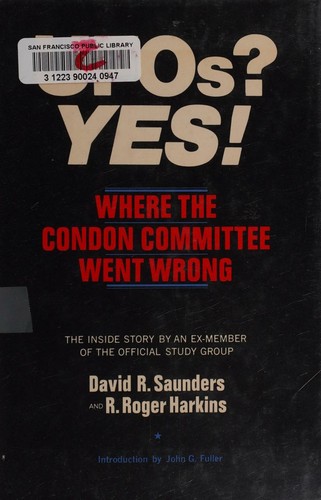
The Condon Committee psychologist fired for leaking Robert Low's "trick" memo rushes his own rebuttal into print months before the official report appears, arguing the project's own case data never supported the dismissive conclusion its director was about to publish.
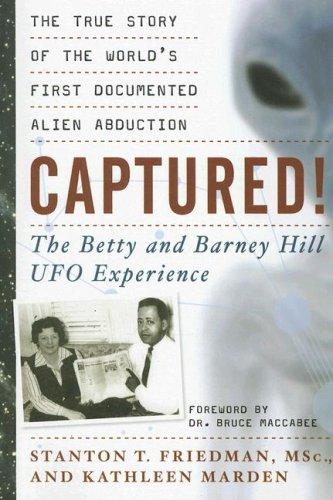
Betty Hill's own niece and literary executor, with veteran Roswell investigator Stanton Friedman, defend the 1961 Hill case point-by-point against four decades of accumulated skeptical theory — the Zeta Reticuli star map's Hipparcos-era problems, the Outer Limits contamination theory, and Betty's own declining later-life credibility.
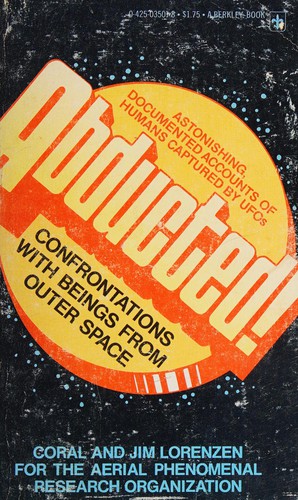
APRO's own co-directors built this real-time casebook from their organization's field files — Carl Higdon, Travis Walton, the Stanford, Kentucky trio, and the 1973 wave that produced Pascagoula — four years before "missing time" had a name.
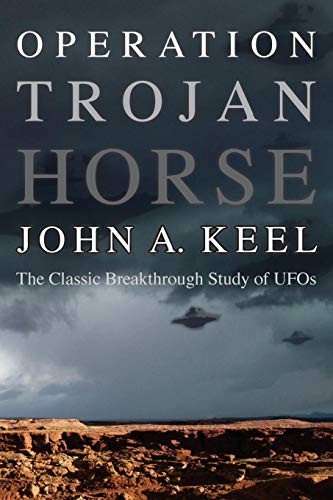
The book that argued UFOs aren't visitors at all — an indigenous, perception-manipulating Earth intelligence wearing whatever mask each era expects. The direct source of this site's Ultraterrestrial Hypothesis.
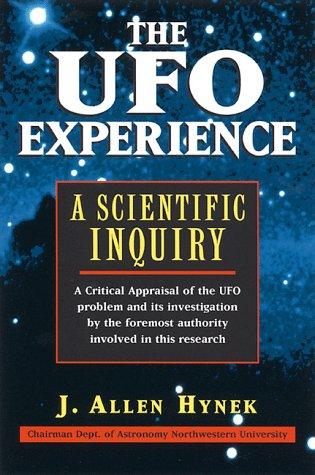
The Air Force's own scientific consultant broke publicly with his agency's conclusions and wrote the book that gave ufology its classification system — Close Encounters of the First, Second, and Third Kind.
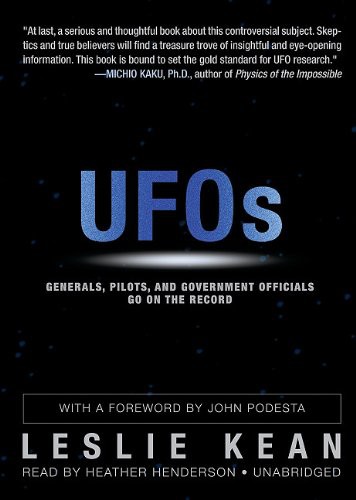
The book that broke the media's UFO taboo — credentialed generals, pilots, and officials writing their own first-person chapters, compiled by the journalist whose FOIA lawsuit and press-club coalition led straight to the 2017 AATIP story and 2023 congressional hearings.
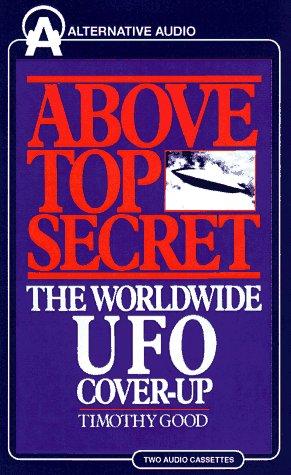
A former violinist's two-decade network of military and intelligence sources became the first worldwide survey of official UFO secrecy — and the book that gave the public its first look at the disputed MJ-12 documents.
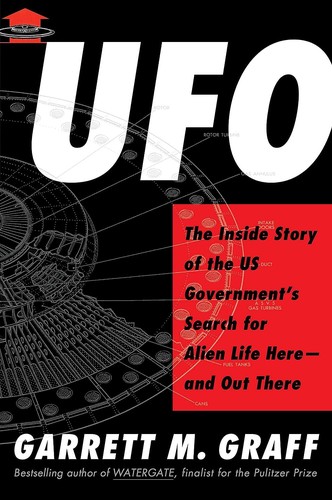
A Watergate historian applies the same archival method to the government's UFO file — Project Sign to AARO, Roswell to the Grusch testimony — and mainstream reviewers took it seriously on exactly those terms.
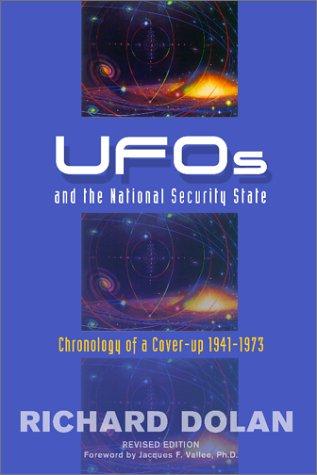
A Cold War historian builds a fully-footnoted, declassified-document chronology of military and intelligence secrecy from foo fighters to the Condon Report — and splits ufology's believers and skeptics right down the middle.
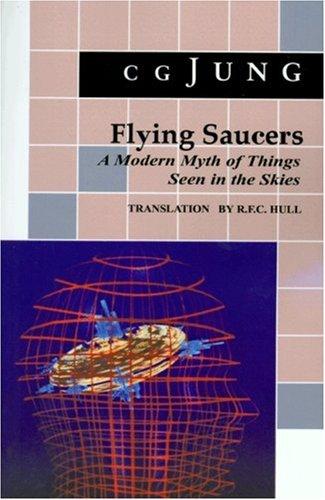
The world's most famous living psychiatrist refuses to say whether saucers are real, arguing instead that their mandala shape is an ancient archetype of wholeness erupting into a divided, atomic-anxious Cold War world.
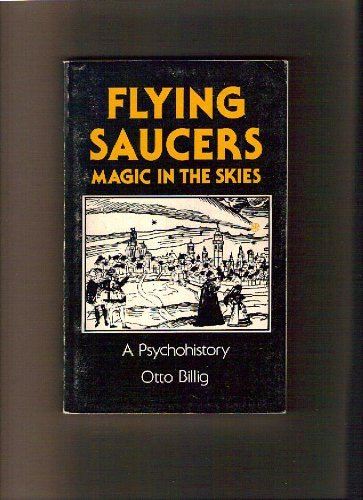
A Vanderbilt psychiatrist known for cross-cultural studies of schizophrenic art turns the same clinical lens on saucer belief — contactees as folkloric "heroic figures," abductions as hypnagogic and sensory-deprivation phenomena — in one of the most obscure titles on this list.
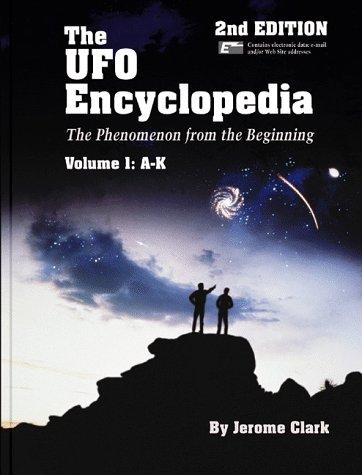
The CUFOS historian's four-decade, alphabetical reference project — thousands of entries on cases, figures, and programs, and the single most-cited book across this site's own 562-title library.
A Smithsonian and NASA Dryden aerospace historian argues the flying saucer phenomenon is best explained as a mirror of postwar American anxiety — mundane causes amplified by the real Cold War secrecy around programs like the U-2.
A nine-author, four-year documentary history of how the U.S. and other governments actually handled UFO reports — Project Sign through Blue Book, the Robertson Panel, and the Condon Committee — built from declassified case files rather than secondhand ufology lore.
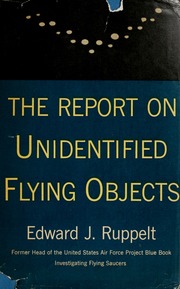
The only book on this list written by the actual chief of the government's own UFO investigation — Project Blue Book's first director, in his own words, on the Lubbock Lights, the Gorman Dogfight, and the 1952 Washington flap, plus the coining of the term "UFO" itself.
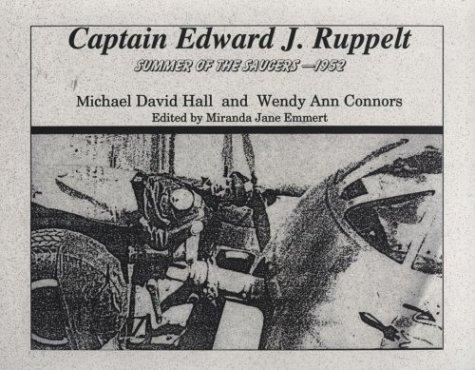
Not Ruppelt's own memoir, but a biography built from his private notebooks and unpublished manuscript decades after his death — reconstructing Blue Book's pivotal 1952 year, and the July Washington flap, from outside his own carefully chosen words.
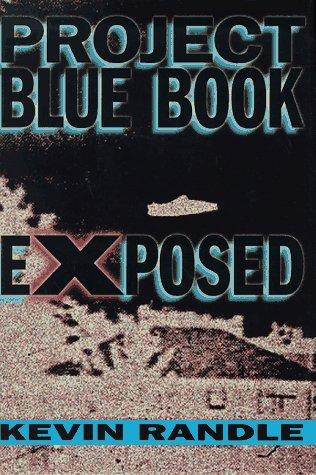
A retired Army lieutenant colonel who first saw Blue Book's unredacted case files at Maxwell AFB in the 1970s turns the Air Force's own declassified paperwork against its official verdicts — case by case, from the Minot AFB Incident to the Gorman Dogfight.
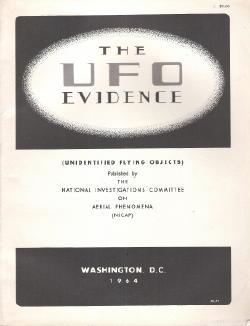
Not a single author's argument but an organization's evidentiary brief — NICAP assistant director Richard Hall screened over 5,000 signed reports down to 746 cases sorted by witness qualification and evidence type, then mailed a copy to every member of Congress.
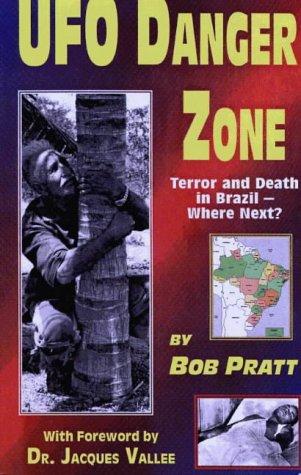
A former National Enquirer UFO reporter's eighteen-year, eleven-trip field chronicle of Brazil's most violent UFO encounters — over 1,700 witness interviews anchored by the 1977 Colares "chupa-chupa" wave his own book calls the deadliest UFO activity documented anywhere in the world.
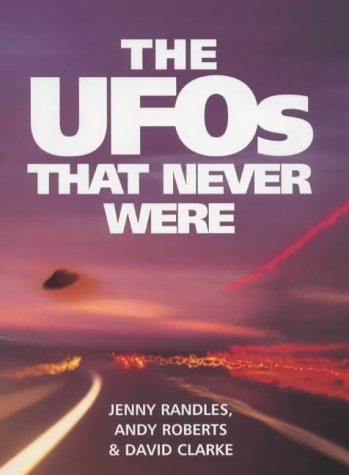
Three of Britain's most established UFO researchers take apart nine of the country's best-known cases — from the Berwyn Mountains "Welsh Roswell" to Jenny Randles's own aptly titled Rendlesham Forest reassessment, "Rendle Shame Forest."
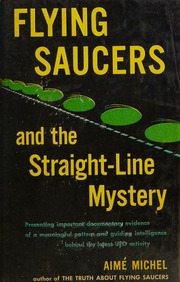
A self-taught French journalist plots France's record-setting 1954 UFO wave onto road maps and claims to find sightings aligning in straight lines — "orthoteny," ufology's most influential statistical theory, later dismantled by Donald Menzel and Jacques Vallée's own computer analysis.
A former NASA Ames research psychologist applies human-factors science and perceptual psychology to the UFO witness report — the same investigative discipline its author, founder of NARCAP, would spend four decades applying to real pilot and aircrew sightings.
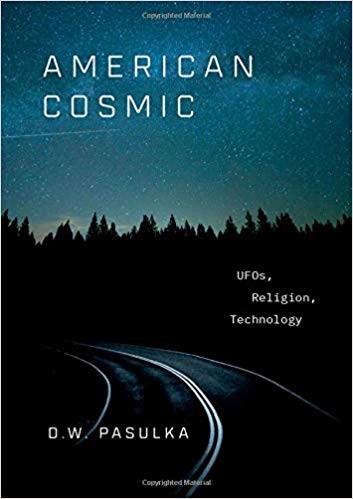
A UNC Wilmington religious-studies professor spent six years embedded with the Silicon Valley scientists and engineers who treat UAP crash sites and materials as sacred relics — and argues American belief in extraterrestrials is functioning as a genuine, emerging religion.

Harvard's longest-serving astronomy department chair argues that 'Oumuamua's shape, brightness, and unexplained acceleration deserved serious consideration as possible alien technology — and founded the Galileo Project to search for more, in a book that split the scientific community as sharply as it captured the public.
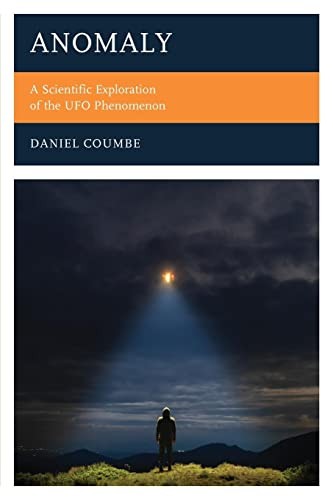
A theoretical particle physicist formerly of the Niels Bohr Institute applies quantitative, physics-first evaluation criteria to four well-evidenced UFO cases — Socorro, the Ubatuba fragments, JAL 1628, and Aguadilla — testing reported luminosities, velocities, and accelerations against known physics rather than eyewitness narrative.
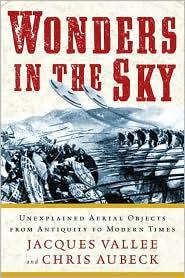
A 500-report historiographical sourcebook of pre-modern aerial-phenomena claims, from biblical antiquity through 1879, each traced to its earliest document rather than retold from secondary summary — already the most cited book in this site's own Ancient Connections archive.

The bestselling ancient-astronaut manifesto that made paleocontact a global publishing phenomenon — and, in the decades since, became one of the most thoroughly documented cases of fabricated evidence in popular pseudoarchaeology. An honest look at both.
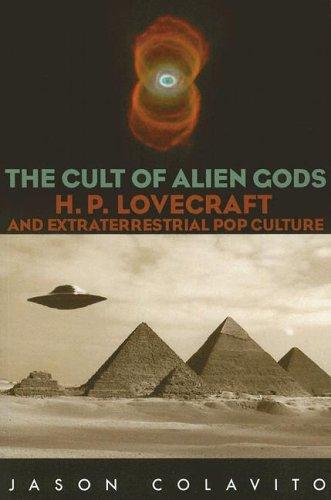
Traces the ancient-astronaut hypothesis back past von Däniken and Sitchin to its real point of origin: H.P. Lovecraft's invented Cthulhu Mythos, filtered through two French writers who admired him. The literary prehistory behind this list's own Chariots of the Gods? entry.
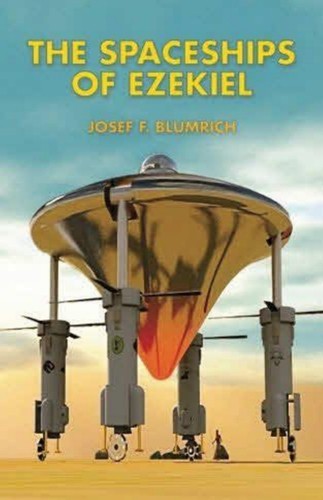
A real NASA structural engineer set out to disprove von Däniken's Ezekiel claim and instead produced patented engineering schematics of a biblical spacecraft. The ancient-astronaut movement's most technically detailed single-text argument — and one Hebrew Bible scholarship never found persuasive.
Vallée's own field investigations into forty international close-encounter cases — Brazil's Colares "chupa-chupa" wave above all — testing his "control system" theory against physical injury evidence and direct witness interviews rather than armchair speculation.
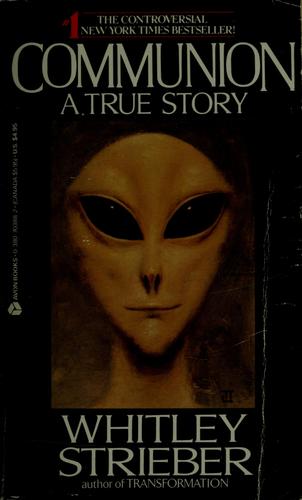
The horror novelist's #1 New York Times bestselling first-person account of his 1985 close encounters — hypnotically regressed at Budd Hopkins's referral, and packaged with Ted Seth Jacobs's cover painting that defined the modern "Grey" alien.
A Harvard psychologist's research-based case that vivid, sincerely held alien-abduction memories are a specific, well-studied form of false-memory formation — built from sleep paralysis, cultural scripting, and hypnotic suggestion, not literal contact.
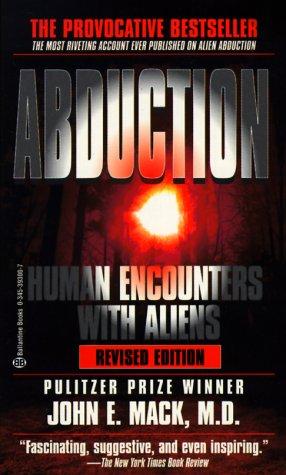
A Pulitzer Prize-winning Harvard psychiatrist's clinical case studies of self-identified abductees — the book that triggered an unprecedented 14-month Harvard Medical School peer-review investigation into his research methods.
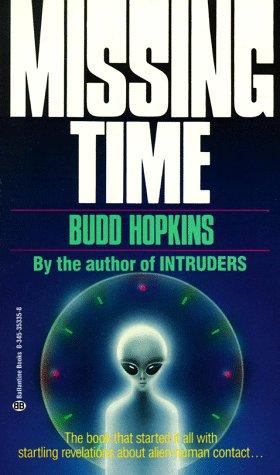
The artist-turned-investigator's foundational study that coined "missing time" as an abduction diagnostic and pioneered hypnotic regression as the field's standard tool — the direct ancestor of both Mack's and Clancy's later books on this list.
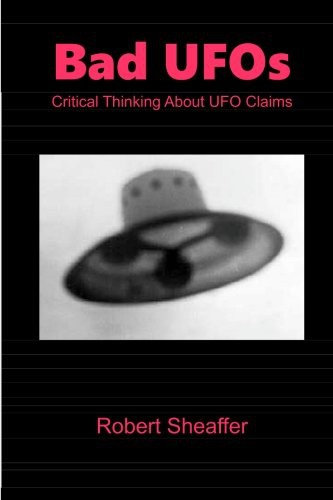
A 40-year Skeptical Inquirer columnist's case-by-case skeptical survey, cited directly across 7 of this site's own case files — from the Chicago O'Hare hole-punch cloud to the Yukon rocket-booster reentry.
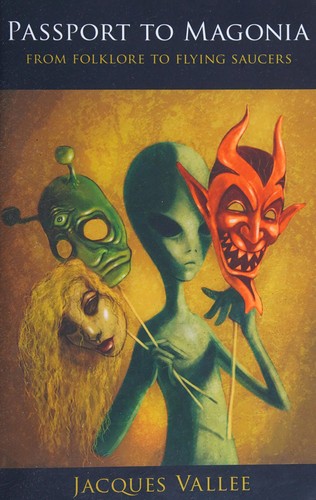
Vallée's landmark thesis that UFO encounters and centuries of fairy, demon, and aerial-ship folklore are a single continuous phenomenon adapting its "mask" to each era — the founding document his later Wonders in the Sky and Confrontations both grew out of.
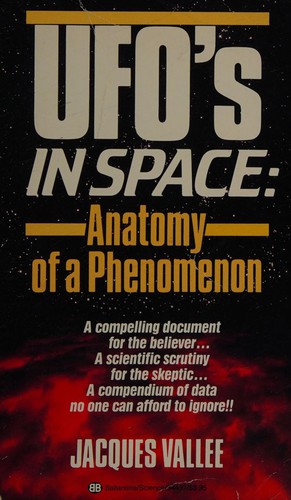
Vallée's first book, written as a 25-year-old Northwestern systems analyst four years before Passport to Magonia's folklore turn — an early, statistics-minded appeal to treat UFO witness reports as codeable scientific data rather than proof of anything.

The actual first volume of Vallée's publisher-branded "Alien Contact Trilogy" (with Confrontations and Revelations) — his fullest early book-length case for the interdimensional and "control system" hypotheses, tested against Fatima, fairy-abduction folklore, and the era's abduction wave.
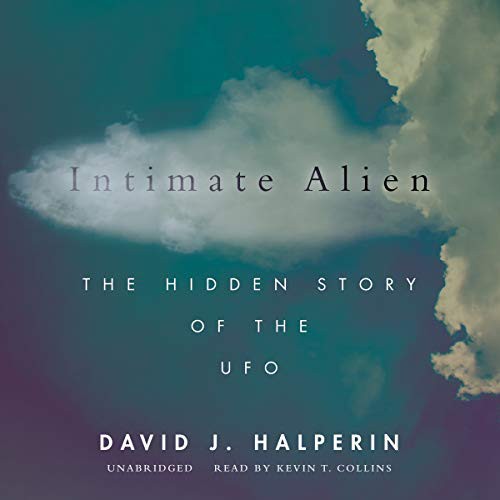
A former teenage UFO investigator turned religious-studies scholar argues UFO encounters are a modern form of numinous experience — reading the Betty and Barney Hill abduction as channeled racial trauma and the Vilas-Boas case as archetypal myth.
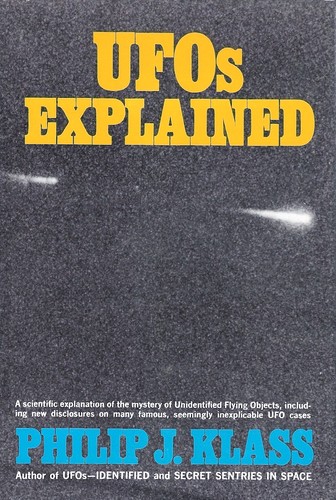
The Aviation Week editor's case-by-case skeptical classic — cited across up to 11 of this site's own case files — that set the template for the mundane-explanation method Robert Sheaffer and Curtis Peebles both later built on.
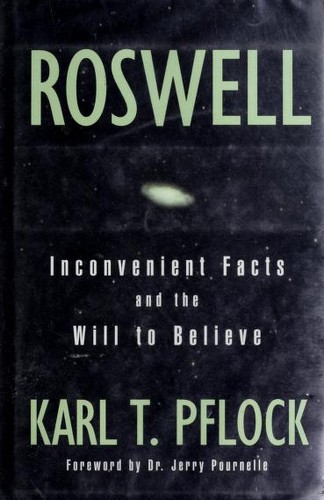
A former CIA officer and onetime sympathetic Roswell investigator's eight-year reversal — the first researcher to publicly identify Project Mogul as the likely source of the debris, while still insisting the Air Force's own secrecy was real.
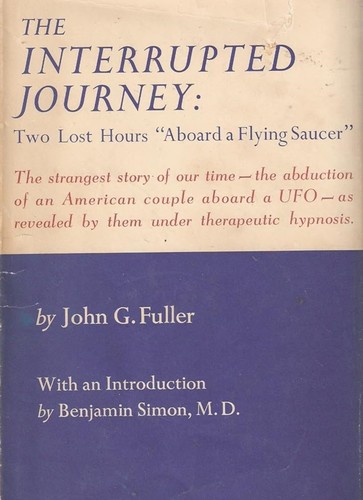
The foundational abduction narrative — John Fuller's documentary account of Betty and Barney Hill's 1961 missing-time encounter, Dr. Benjamin Simon's hypnosis tapes, and the star map that launched the Zeta Reticuli controversy.
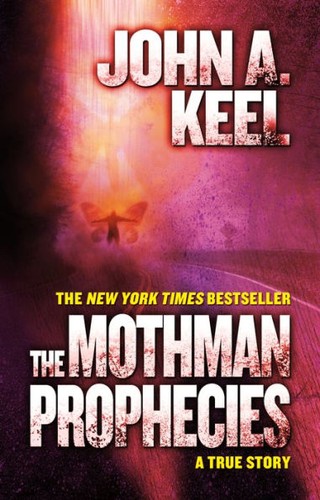
Keel's own first-person account of the 1966–67 Point Pleasant, WV Mothman wave and Men in Black harassment, culminating in his disputed retrospective claim connecting it all to the Silver Bridge collapse.
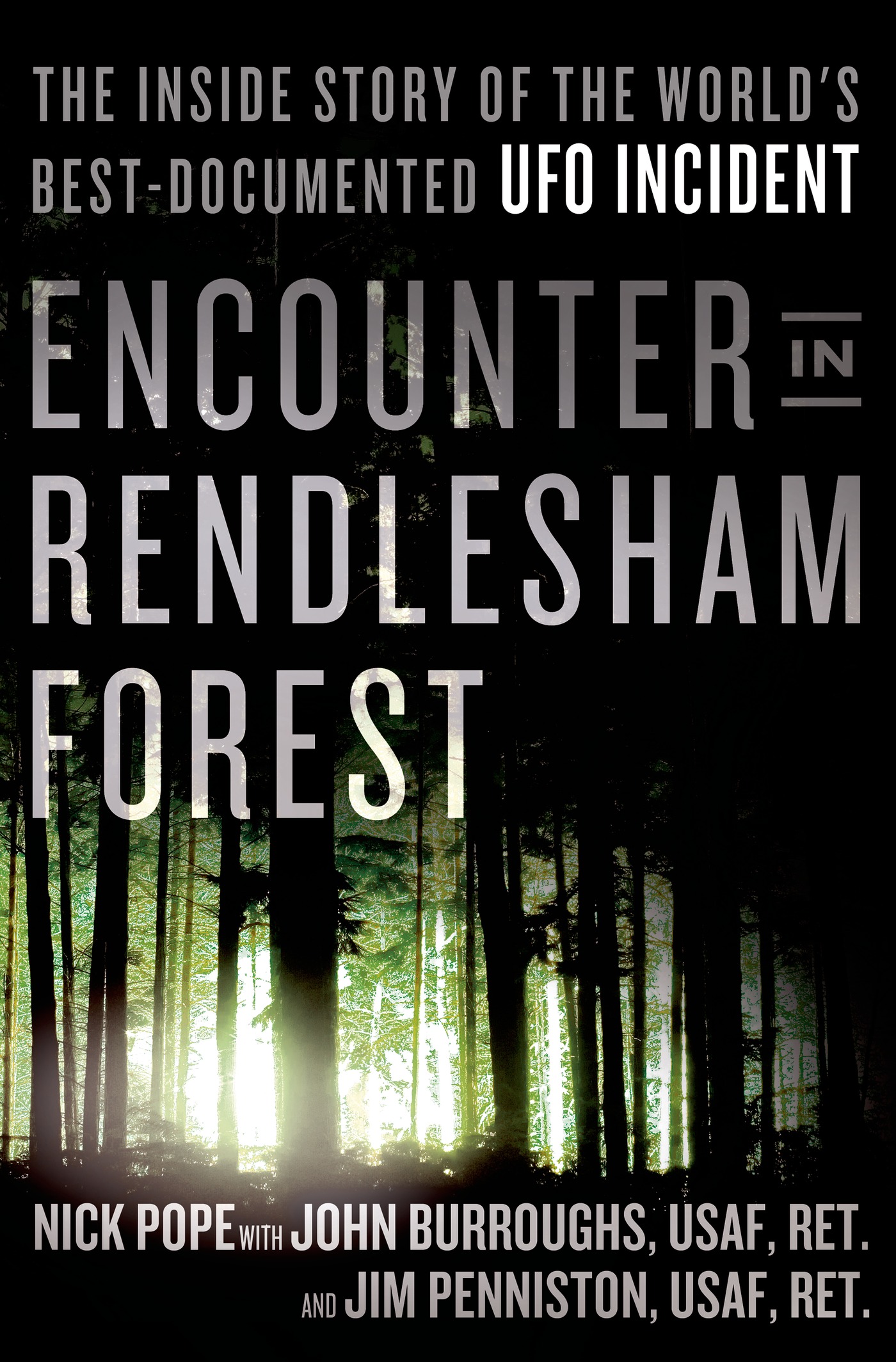
A rare three-way author structure pairing the MoD's former UFO-desk investigator with two of the actual USAF witnesses, reproducing declassified documents and confronting the case's Orford Ness lighthouse and binary-code controversies directly.
A University of Wisconsin history dissertation turned Indiana University Press book, with a foreword by J. Allen Hynek — the first academic-press history of American ufology, tracing Project Blue Book, the Robertson Panel, NICAP, and the Condon Committee.
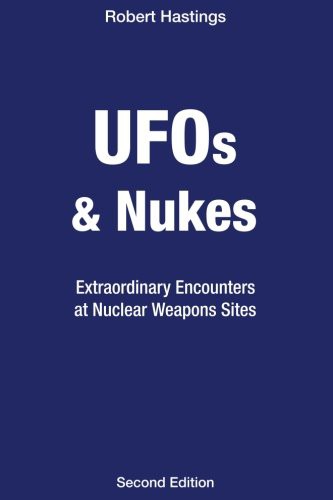
Four decades of interviews with over 150 retired Air Force launch officers and security personnel documenting UAP activity at American nuclear missile silos, anchored by the September 2010 National Press Club press conference.
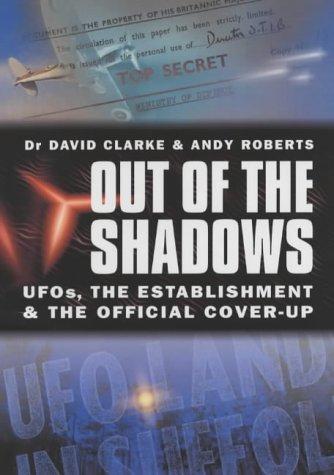
An institutional history of how the British government actually handled the UFO question for five decades, built from Ministry of Defence files David Clarke pried loose years before the UK's 2005 Freedom of Information Act.
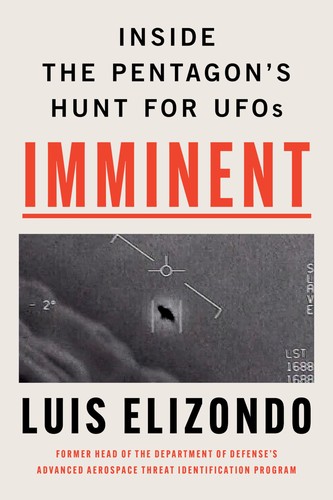
AATIP's self-described former director on his Pentagon career, his 2017 resignation, and the Five Observables framework — an insider account whose central directorship claim the Pentagon itself has publicly disputed.
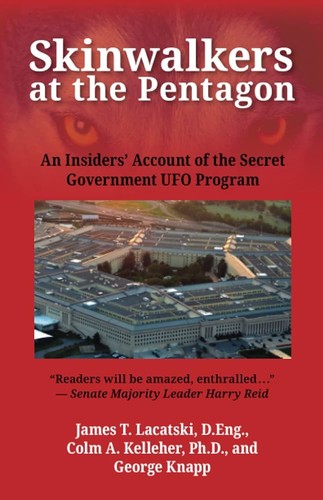
AAWSAP's own DIA program manager and lead BAASS scientist disclose that the Pentagon's $22 million UFO program studied Skinwalker Ranch's high-strangeness claims alongside conventional aerial encounters — the most extraordinary, and most contested, book on this list.
The SCU co-founder's solo case for treating UAP as a legitimate scientific research subject, built case by case from the same Stephenville, Nimitz, Gimbal/GoFast, Aguadilla, and Ubatuba investigations he led or co-authored himself.
The Stanford physicist's own account of directing the Rockefeller-funded 1997 Pocantico workshop — this site's own Sturrock Panel case file — distilling nine credentialed scientists' review of UFO physical evidence into a case for continued study.
The Condon Committee's own chief field investigator, decades later, on the Mariana film, the RB-47 chase, the Herbert Schirmer encounter, and his own more forgiving reading of Robert Low's controversial "trick memo."
The founding text of Forteana, written decades before "flying saucer" existed: a satirical catalog of scientifically "excluded" data whose method and vocabulary directly shaped how this site's own Vallée and Keel titles approach anomalous phenomena.
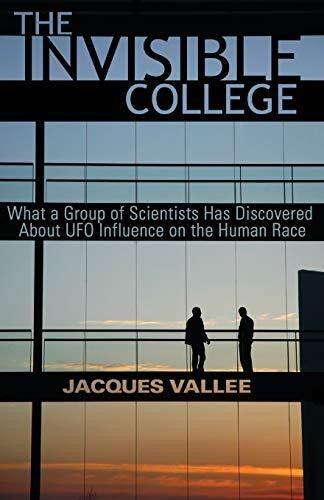
Vallée's most speculative book: the first statement of the "control system" hypothesis, an argument that no UFO theory is credible without accounting for reported telepathy and psychokinesis, and the real, roughly hundred-scientist network its title names.

Tonnies's final book, finished by friends after his sudden death in 2009: a literal, embodied variant of Keel's ultraterrestrial hypothesis proposing a hidden, indigenous humanoid population behind some UAP reports — and the theory a 2024 peer-reviewed paper finally gave academic treatment.
The first full-length, claim-by-claim rebuttal of von Däniken's Chariots of the Gods? — a Carl Sagan foreword and contributions from Frank Drake, William Hartmann, and Thor Heyerdahl, checking the Piri Reis map, the Nazca Lines, and Easter Island against the actual evidence.
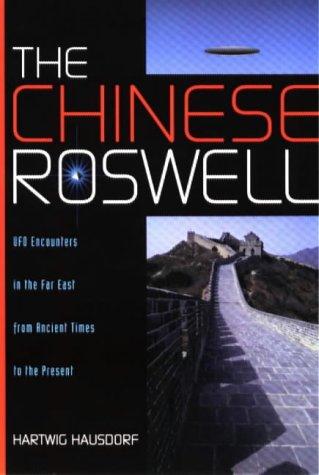
A German tour operator with no archaeology training applies von Däniken's method to China — the Xi'an "White Pyramid," Qin Shi Huang's mercury tomb, and the Bayan Kara Ula stone discs — including a fabricated AP quote documented directly in the book's own pages.
CUFOS's sole full-time hotline investigator personally processed 1,307 UFO reports in fifteen months and published the full statistical breakdown — roughly 88.6% identifiable, a genuine residue unexplained — earning praise from skeptics and researchers alike.
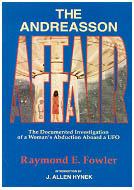
A twelve-month CUFOS/MUFON team ran fourteen hypnosis sessions and polygraph tests on Betty Andreasson's 1967 abduction account — introducing the alien-implant motif to ufology and a starkly religious narrative unlike the Hill case that preceded it.
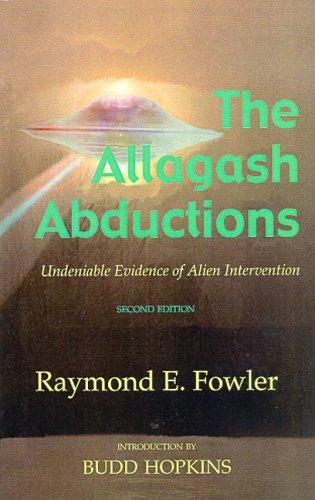
Four Massachusetts art students, separately hypnotized and deliberately kept unaware of each other's testimony, produced strikingly convergent accounts of an August 1976 Eagle Lake abduction — until one of them recanted in 2016.
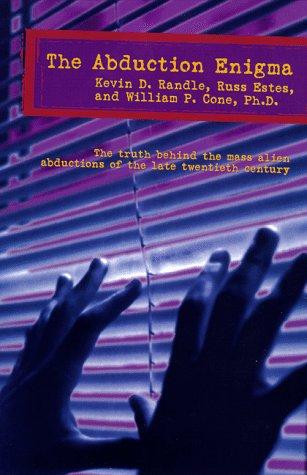
A documentarian's 150+ videotaped abductee interviews, a clinical psychologist's framework, and a prominent Roswell investigator's own turn toward skepticism combine to challenge hypnotic regression as an abduction-evidence-gathering method — proposing sleep paralysis and cultural scripting instead.
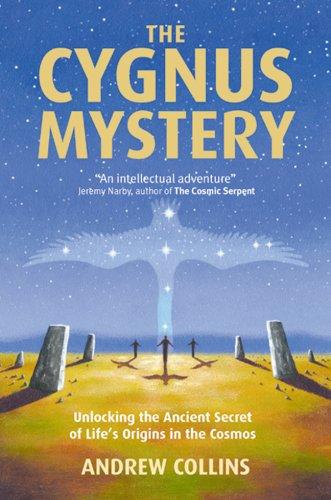
A non-credentialed alternative-history writer — and the same investigator behind the 1974 Aveley Abduction — argues that Paleolithic cave artists, Egyptian pyramid builders, and Göbekli Tepe's builders all fixated on Cygnus and its star Deneb, directly challenging Robert Bauval's Orion Correlation Theory and drawing a documented rebuttal in turn.
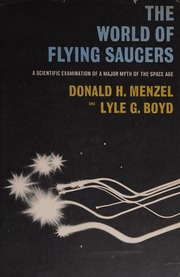
Harvard Observatory director Donald Menzel's second UFO book applies case-by-case optical and atmospheric explanations to a decade of famous sightings — originating the Barra da Tijuca shadow-direction critique later confirmed by the Condon Report, while James E. McDonald dismissed its Nash-Fortenberry theory as "an almost entirely ad hoc assumption."
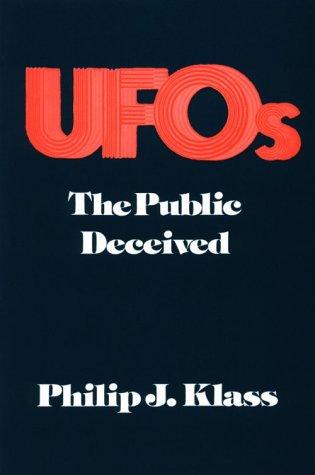
Klass's combative 1983 sequel to UFOs Explained turns his case-by-case method on Travis Walton, Val Johnson, and the Kaikōura Lights — published the same year his own "UFO Curse" made his reputation for combativeness a documented part of ufology's public record.
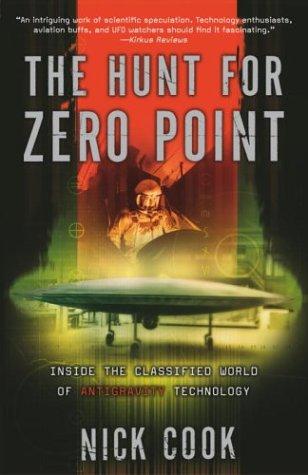
Jane's Defence Weekly's aviation editor spent a decade chasing antigravity rumors into the contested "Die Glocke" Nazi Bell — a claim sourced almost entirely to one uncorroborated researcher, and one Cook himself later admitted has "no smoking gun."
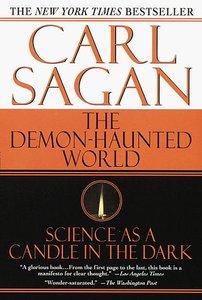
Not a UFO book, but the Cornell astronomer's "baloney detection kit" and his and Steven Soter's rebuttal of the Zeta Reticuli star map made this general defense of scientific skepticism ufology's most cited critical-thinking text anyway.
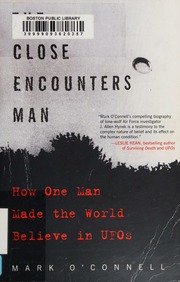
The first full biography of J. Allen Hynek, built from unprecedented access to his own CUFOS archive — the private mystic and institutional outsider behind the astronomer's own published work.
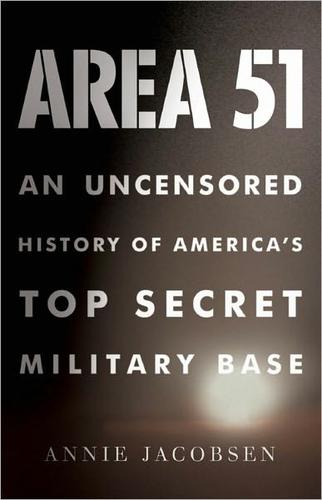
A genuinely reported Cold War history of Groom Lake's U-2 and OXCART programs, built from dozens of insider interviews — undercut by a final chapter's uncorroborated, single-source claim that Roswell was a Soviet-Mengele hoax.
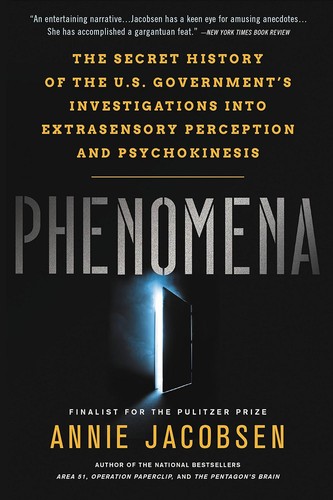
A different Jacobsen book entirely from her Area 51 — the real, declassified forty-year history of CIA and DIA research into ESP and psychokinesis, from Nazi Ahnenerbe files through SRI's remote-viewing program to Star Gate's 1995 shutdown, including Remote Viewer #001 Joseph McMoneagle's own published rebuttal of specific claims.
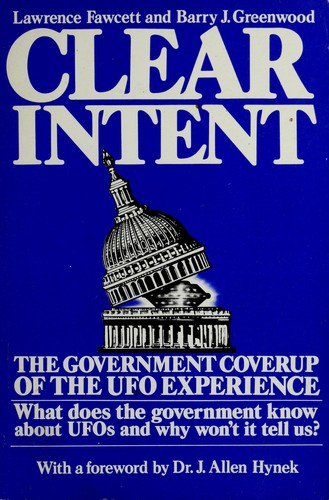
Built entirely from roughly 3,000 pages of FOIA-obtained Air Force, NORAD, and intelligence-agency documents, this early documentary case for a UFO cover-up let a paper trail — not witness testimony — carry its argument about the 1975 Northern Tier SAC base intrusions.
Pope's own account of the three years he spent staffing the Ministry of Defence's real "UFO desk," and the UK bestseller that first made him a public figure — more than a decade before he co-authored this site's own Rendlesham Forest book.
Nuclear physicist Stanton Friedman's decades-long, book-length defense of the disputed MJ-12 documents — answering the FBI's own 1988 "completely bogus" finding and named critics like Philip Klass point by point, by the documents' single most persistent public advocate.
Greg Bishop's FOIA-and-interview-based reconstruction of the AFOSI disinformation campaign run against physicist Paul Bennewitz — the fullest documented account of how a real counterintelligence operation manufactured a piece of UFO mythology, and the severe human cost to the man it targeted.
The best-selling modern statement of the Roswell crash-retrieval case — deathbed generals, Walter Haut's sealed affidavit, and a proposed new crash site — and this site's direct counterpart to Karl Pflock's skeptical Roswell: Inconvenient Facts.
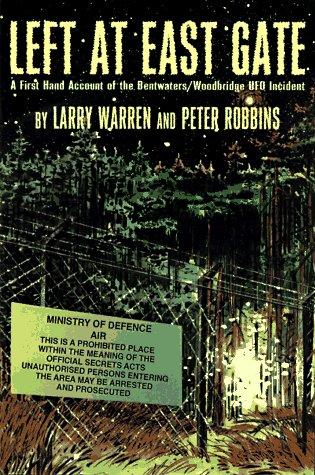
The earliest full-length witness account of the Rendlesham Forest incident — a disputed third-night entity encounter at Capel Green that the case's own other military witnesses say never happened the way its author describes, and that co-author Peter Robbins publicly renounced in 2017.
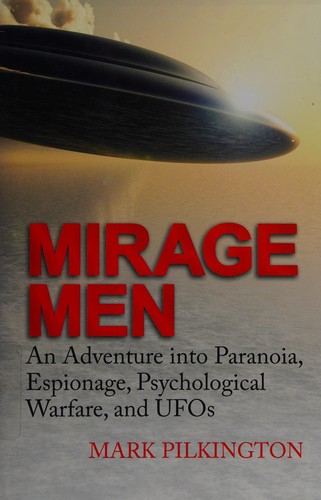
Mark Pilkington's years of direct access to AFOSI's Richard Doty widen the documented Bennewitz disinformation operation into a broader argument that MJ-12, Project Serpo, and other "hardcore" ufology claims may trace to the same intelligence-community playbook — and draw a real critical charge that the thesis can become as unfalsifiable as the conspiracy thinking it explains.
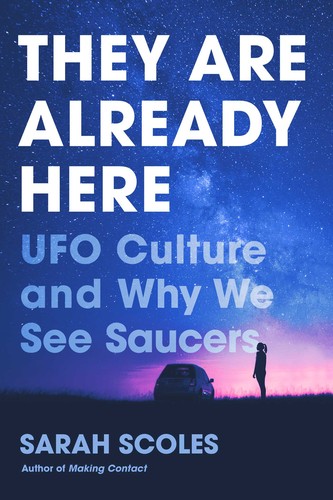
A science journalist's eighteen-month ethnography of the post-2017 American UFO research community — MUFON meetings, Roswell, Area 51, and a former paranormal research ranch in Utah — reading UFO belief as an emergent, still-forming American subculture rather than a case to be solved.
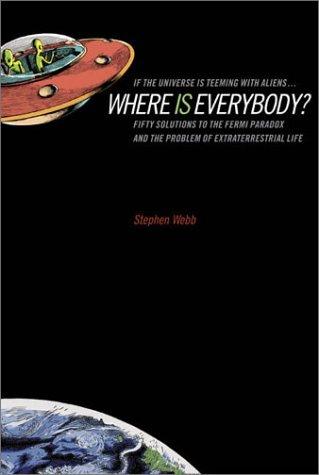
Not a UFO book at all — a physicist's rigorous, mainstream survey of fifty scientific solutions to the Fermi Paradox, from the Zoo Hypothesis to the Rare Earth argument, and the essential rational baseline for evaluating any extraterrestrial-visitation claim.
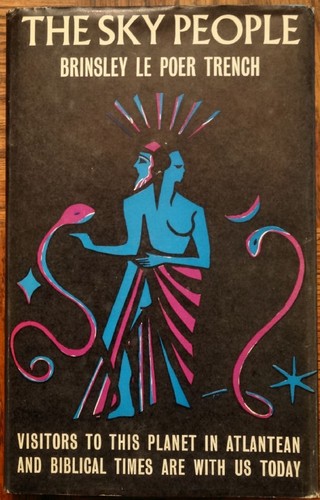
An eccentric British earl's case that Adam, Eve, and Noah were Martian colonists — a fringe, thinly documented ancient-astronaut text published eight years before Chariots of the Gods?, by the same author who later staged Britain's only House of Lords UFO debate.

148 primary ancient documents cited by ancient-astronaut and Atlantis writers, translated and annotated by the author of The Cult of Alien Gods — a reference sourcebook, not a narrative, letting readers check fringe-history claims against the actual sources being misquoted or fabricated.
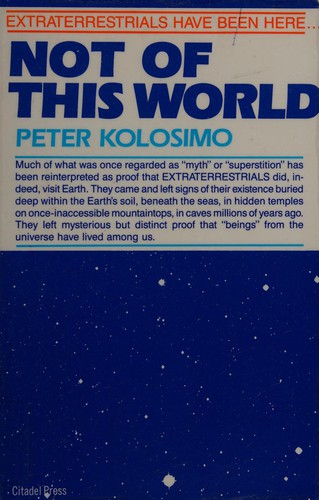
The Premio Bancarella-winning Italian ancient-astronaut bestseller that appeared the same year as Chariots of the Gods? — and, per this site's own Dropa Stones case file, one of the two books that carried that specific hoax into the international paperback market.
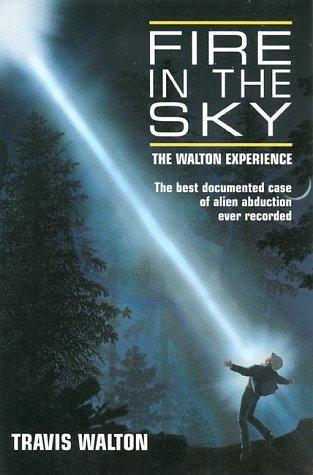
Travis Walton's own first-person account of his 1975 Apache-Sitgreaves Forest disappearance, revised and retitled to match the 1993 film — and to correct the record on the invented onboard horror sequence Walton has spent three decades publicly disowning.
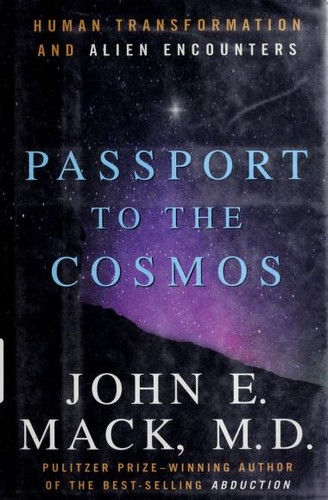
Mack's second and final book on alien encounters — a deliberate turn from the clinical case histories of his 1994 Abduction toward a shamanic, consciousness-centered argument, drawing on his own unhypnotized 1994 Ariel School fieldwork in Zimbabwe.
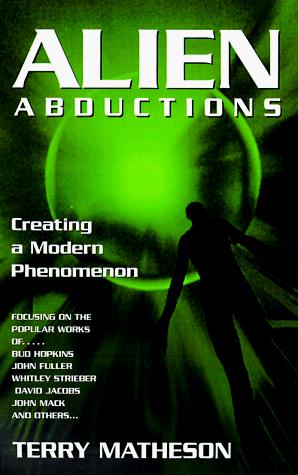
A University of Saskatchewan English professor's literary and rhetorical analysis of the abduction genre's own bestselling texts — Fuller, Fowler, Hopkins, Strieber, Jacobs, Mack — arguing seven years before Clancy's cognitive-psychology study that the accounts function as an evolving, constructed modern mythology.
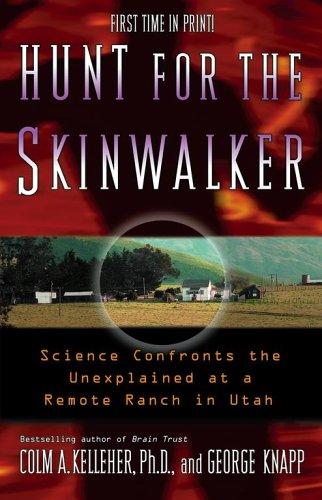
The original, privately funded account of NIDS's 1996–2004 investigation of Skinwalker Ranch — the earlier book that, sixteen years later, set up Kelleher and Knapp's own Skinwalkers at the Pentagon.
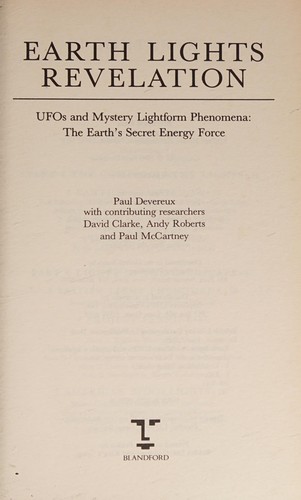
Devereux's expanded sequel to Earth Lights, folding Michael Persinger's Tectonic Strain Theory into the piezoelectric fault-line hypothesis this site's own Earth Lights & Tectonic Strain Hypothesis theory page still applies to Hessdalen and Piedmont.
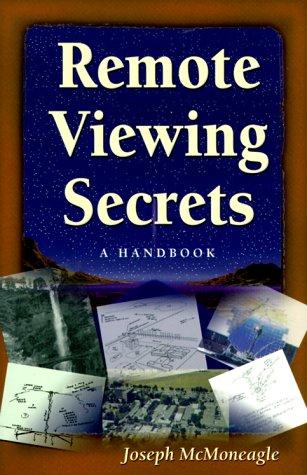
The Army Stargate program's Remote Viewer #001 teaches his own declassified methodology in handbook form — more tangential to core ufology than central to it, tied to this site mainly through the Chris Bledsoe case file and the Hal Puthoff/Skinwalker Ranch research network.
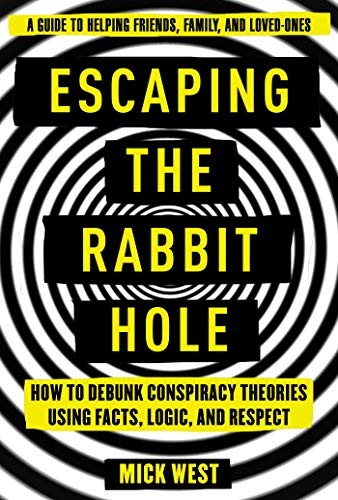
The Metabunk founder's methodology book on respectfully debunking chemtrails, 9/11 trutherism, false flags, and flat-earth belief — the same evidence-first approach behind his contested optical-artifact analyses of the Navy's Gimbal, GoFast, and FLIR1 UAP videos.
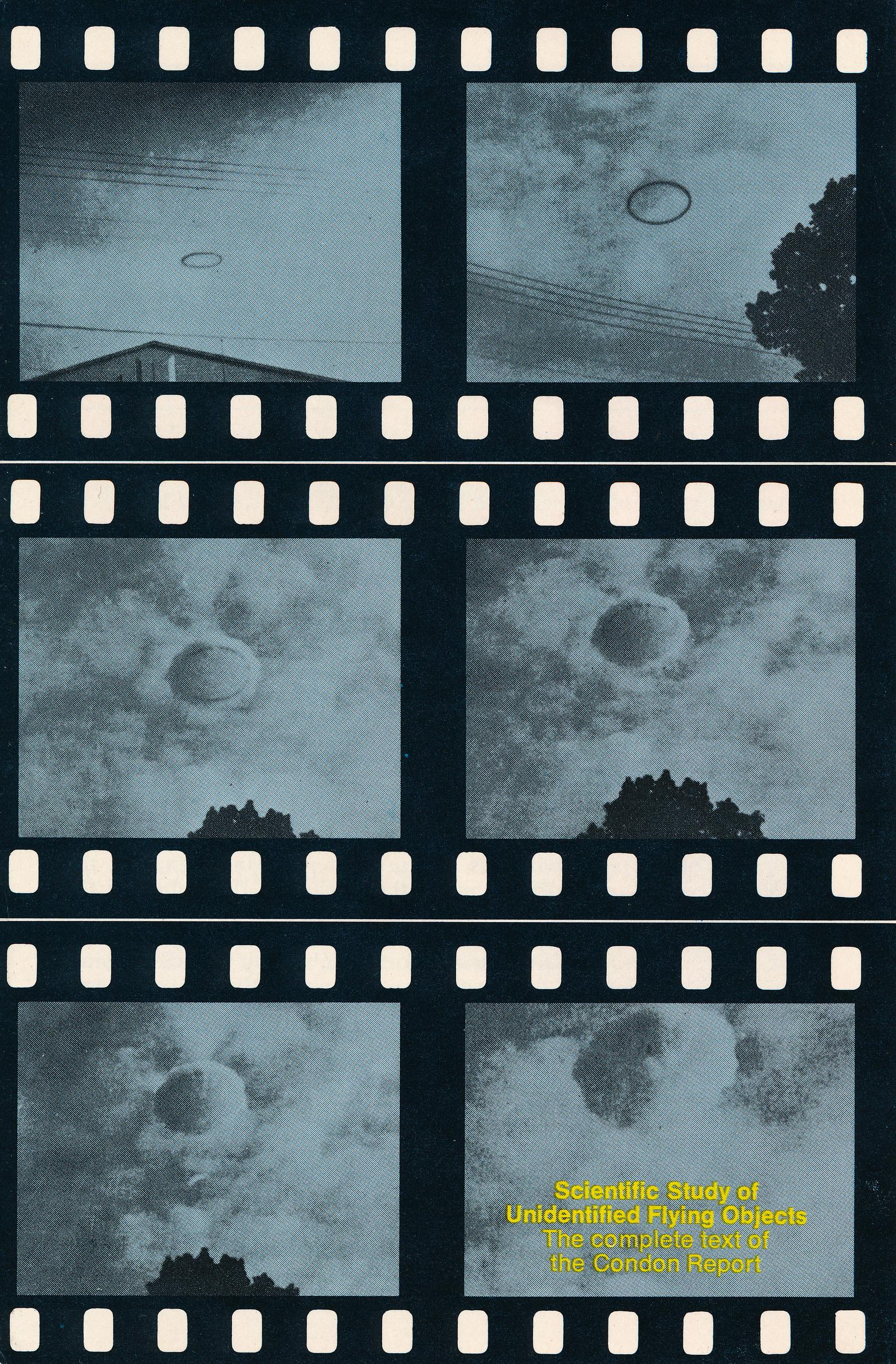
The Bantam Books paperback of the Condon Report itself — how the 965-page document is actually organized, the gap between Condon's dismissive opening "Conclusions" and the more open verdicts buried in its own 59 case studies, and the AIAA and Thornton Page reviews that said so in print.
Not a UFO book, and this article says so plainly: CICAP co-founder and James Randi apprentice Massimo Polidoro's fifteen-plus years of undercover field investigation into mediums, psychic surgeons, and paranormal fraud, valuable here chiefly as a methodological sibling to Bad UFOs and UFOs Explained.
The veteran 60 Minutes Australia investigative journalist's testimony-driven survey of UAP evidence and government secrecy, published in the immediate wake of the 2017 AATIP disclosure — and the direct methodological precursor to Coulthart's own 2023 David Grusch whistleblower interview.
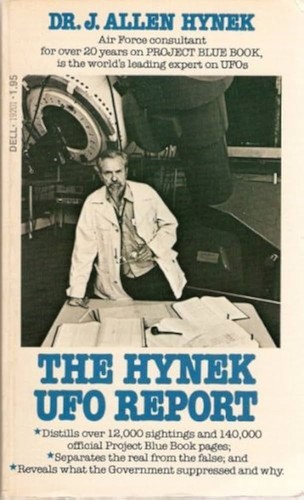
Eight years after Project Blue Book closed, its own longtime scientific consultant gained access to the declassified case archive and applied his Close Encounter system case by case — turning the argument of The UFO Experience into a documented audit of the Air Force's own files.
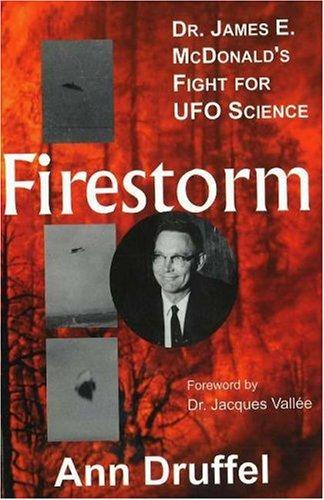
A NICAP colleague who worked alongside atmospheric physicist James E. McDonald for the last five years of his life draws on his private papers to reconstruct his 1968 congressional fight for serious UFO science — and the professional ridicule and personal collapse it cost him.
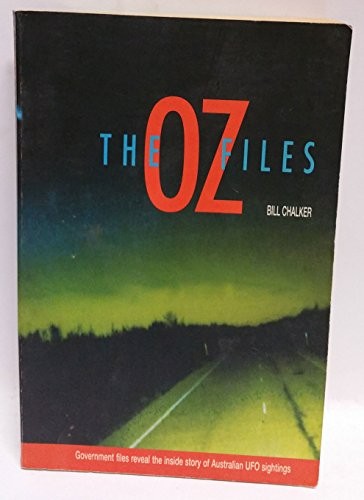
The first civilian researcher ever granted access to the RAAF's classified UFO files turns fourteen years of that access, and decades of his own field investigations, into the first comprehensive English-language survey of Australian UFO history.
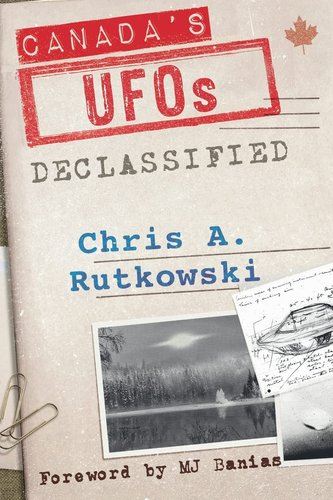
The longtime compiler of the annual Canadian UFO Survey walks readers through Library and Archives Canada's own declassified UFO files — RCMP, RCAF, DND and NRC records spanning 1947 to 1980, including the Falcon Lake and Shag Harbour incidents.
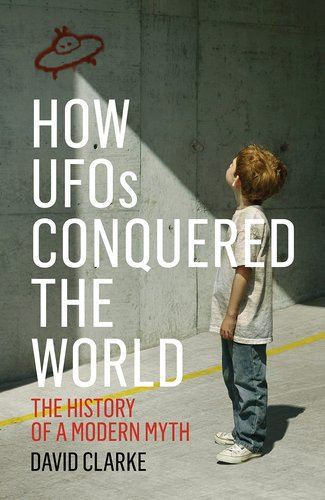
The folklorist and former National Archives UFO-files curator's solo history of the flying saucer as a modern myth, from Kenneth Arnold's 1947 sighting through the contactee, abduction and cover-up eras to the declassified MoD files he helped release.
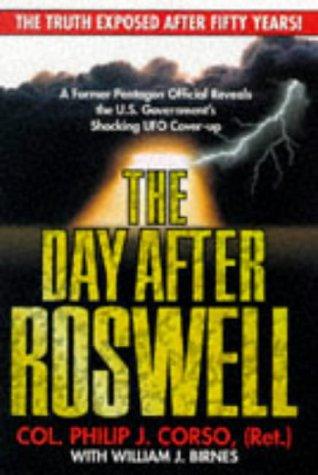
A retired Army officer's claim to have personally seeded Roswell's recovered alien technology into Bell Labs, IBM and other defense contractors — and, against fully documented technology histories, the Thurmond foreword scandal, and rejection even by fellow believer Stanton Friedman, one of ufology's most thoroughly disputed books.
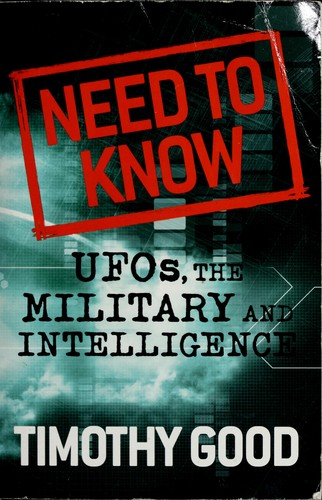
Good's return, nearly two decades after Above Top Secret, to a documentary case for military and intelligence UFO secrecy — nuclear-installation intrusions, USOs and naval encounters, and a presidential-contact narrative that later critics say is where its evidentiary standards visibly slip.
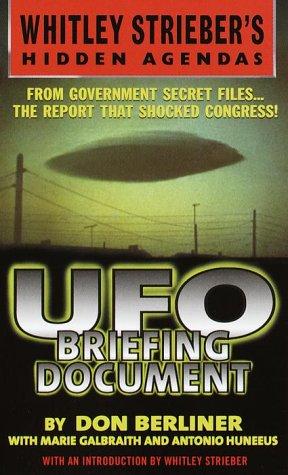
Don Berliner's Rockefeller-funded, CUFOS/FUFOR/MUFON-endorsed case compendium, mailed to Congress and world leaders in 1995 — and, by Berliner's own 2007 admission, a document that had “very little impact” in the country it was written for, even as it became the direct model for France's 1999 COMETA Report.
A sociologist and a Notre Dame psychologist trace UFO waves from Thomas Edison's 1878 “electric star” through the 1990s abduction era as a single recurring pattern of collective behavior — reviewed, unusually for a UFO book, in the history-of-science journal Isis.
The first book-length history of the 1896-97 American mystery-airship wave, from a founding member of CSICOP's UFO subcommittee — Kirkus called it “solid exposition” undercut by “debatable analysis” that unjustifiably stretches “most” sightings explained into “all.”
A physics department chairman's own primary-source account of Project Identification, his nearly seven-year, 427-hour instrumented field study of the Piedmont Missouri wave — and the carefully hedged conclusion, dismissed by Jacques Vallée as the work of “a confused local scientist,” that residual sightings behaved as though “an intelligence equal to or greater than that of man” were involved.
The founding primary-source document of the modern UFO era — the actual witness's own account of the sighting that produced the phrase “flying saucer,” self-published five years later with pulp editor Raymond Palmer and containing the first print appearance of the “men in black” concept.
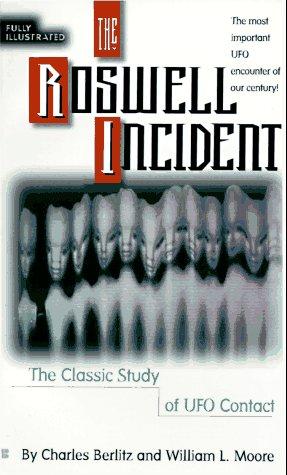
The first book-length investigation of Roswell — built on Stanton Friedman's 1978 interview with Jesse Marcel, it launched the entire modern crash-retrieval narrative, despite an inflated witness count and co-author William Moore's own later-admitted role in a real Air Force disinformation operation.
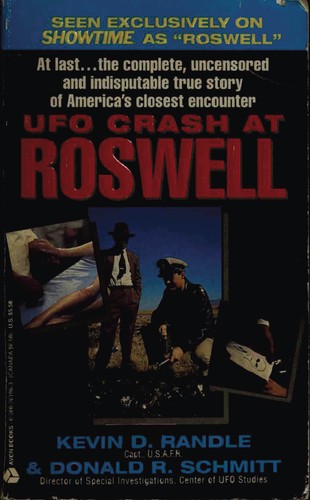
The first book from Randle and Schmitt's CUFOS-sponsored Roswell investigation — the Golden Globe-nominated Showtime movie it inspired, and the Plains of San Agustin site its own authors quietly abandoned by their 1994 revision.
SETI Institute senior astronomer Seth Shostak's memoir makes the case for radio and optical SETI as the credible scientific search for ET — while explaining, in his own words, why he remains unconvinced UFO sightings are evidence anything has already arrived.
A retired Army colonel who ran a classified 1980s interagency UFO study group argues the phenomenon is physically real — while directly dismantling Roswell crash-retrieval lore, the Majestic 12 documents, and Bob Lazar's Area 51 claims from the inside.
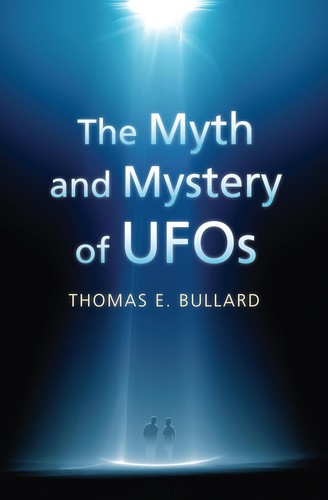
One of the very few UFO researchers with an actual Ph.D. in folklore reads seven decades of UFO reports as a living modern mythology — without ever letting "myth" become a synonym for "nothing happened."
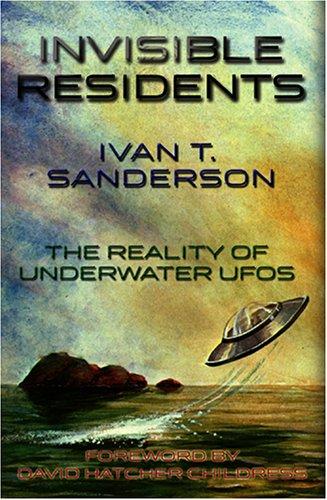
A Cambridge-trained naturalist's founding text of the USO hypothesis, cataloging underwater UFO reports and proposing an intelligent oceanic civilization — the direct source of Charles Berlitz's "vile vortices" and the Bermuda Triangle publishing boom that followed.
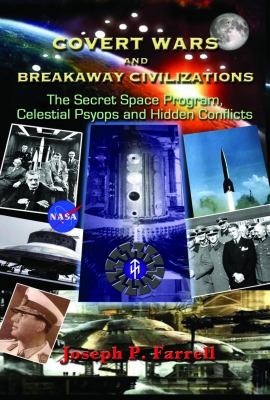
An Oxford-trained patristics scholar's pivot into alternative history: a Nazi-descended "breakaway civilization" secretly financing NATO-adjacent covert warfare and a hidden secret space program — built almost entirely on secondary sourcing, some of it separately contested by professional historians.
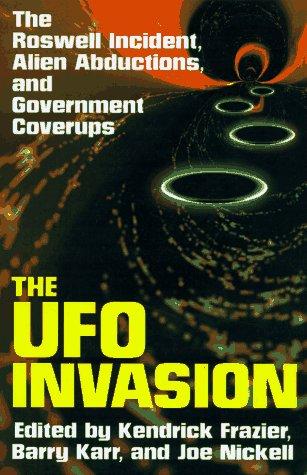
A 21-contributor Skeptical Inquirer anthology assembled by three CSICOP/CSI editors: the Air Force's own Project Mogul report on Roswell, Philip J. Klass on the Majestic-12 forgery, and Joe Nickell's forensic postmortem on the 1995 "Alien Autopsy" film — a genuine skeptical counterweight to this site's own case files.
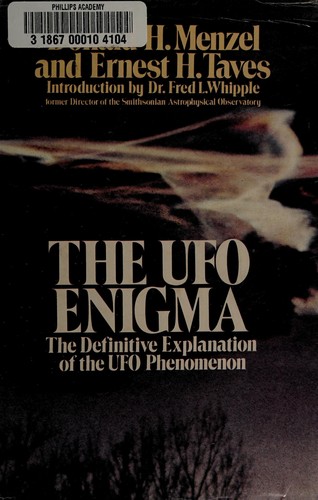
Harvard astronomer Menzel's third and final UFO book, reaching stores weeks after his December 1976 death — its skeptical take on the Betty & Barney Hill sighting is still weighed against radar evidence on this site's own case file. Not to be confused with Peter Sturrock's unrelated 1999 book of a similar name.
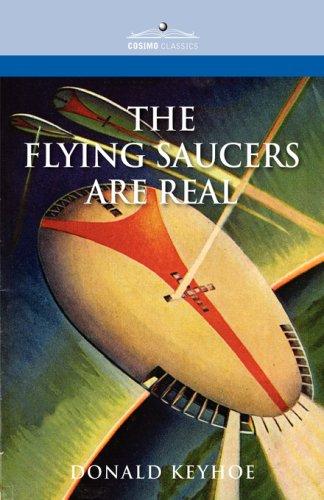
A retired Marine major's January 1950 True magazine investigation, expanded into the half-million-copy bestseller that invented ufology's government-cover-up narrative — and launched Keyhoe's own twelve years running NICAP.
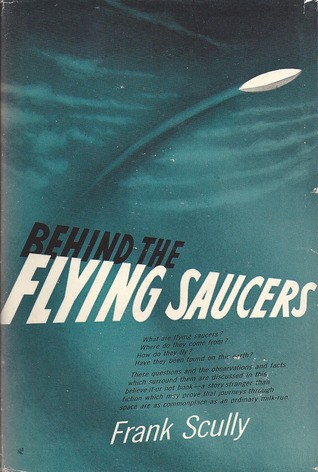
A Variety gossip columnist's credulous bestseller turned two con men's invented Aztec, New Mexico crash story into ufology's founding "crashed saucer with bodies" narrative — before a 1952 True magazine exposé and a criminal fraud conviction unraveled it.
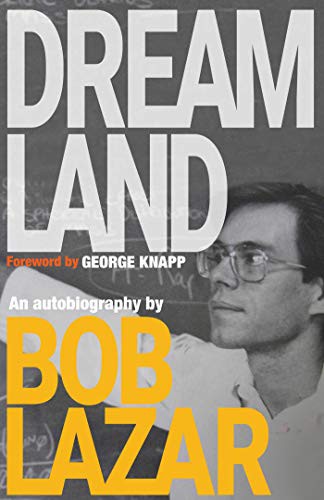
Lazar's own first-person retelling of the 1988-89 S-4 claims that made Area 51 a household name — self-published via Tom DeLonge's brand-new Interstellar imprint with a George Knapp foreword, and no closer to resolving the credential and evidence questions this site's own case file still classifies DISPUTED.
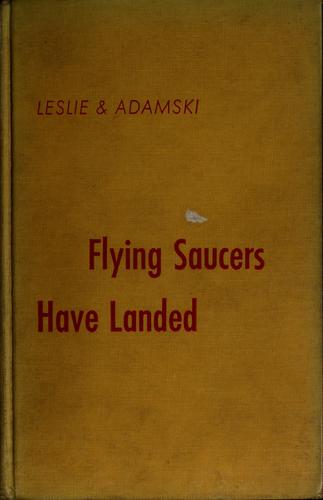
Two authors, two credibility levels: Leslie's ancient-astronaut survey of "space visitors" through history, bound to Adamski's founding contactee claim — a Venusian named Orthon met near Desert Center in 1952, and "scout ship" photos later identified as a 1930s lantern and GE light bulbs.
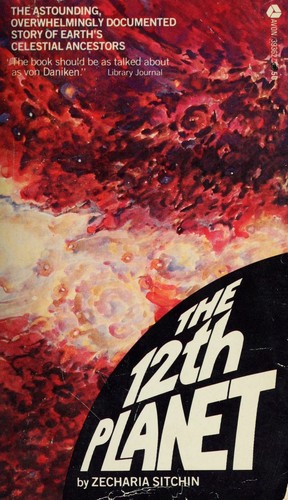
The Anunnaki, a hidden planet called Nibiru, and a self-taught translator's claim to have decoded Sumerian cuneiform — arguably the second most influential ancient-astronaut book ever written, and one of the most specifically, professionally rebutted.
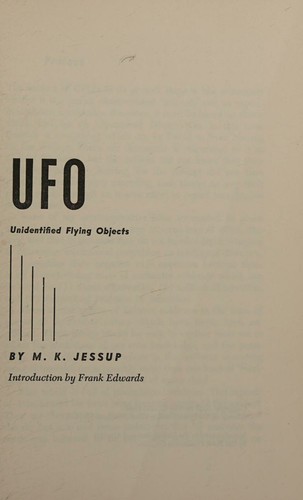
An astronomer-trained author's Fortean case for gravity-based UFO propulsion and ancient megalith-building — whose annotated copy, mailed anonymously to the Office of Naval Research months after publication, became the documented origin point of the entire Philadelphia Experiment legend.
The book that took one unreliable letter-writer's annotations on Morris Jessup's 1955 book and turned an obscure two-decade-old hoax into the mass-market legend of a Navy invisibility experiment — despite the source's own written 1969 confession and the Navy's repeated, on-the-record denials.
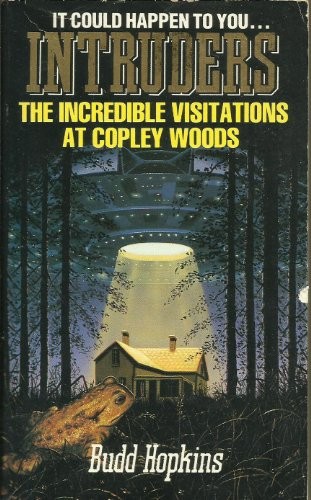
Hopkins's far more consequential second book — a four-year, single-family investigation of "Kathie Davis" (Debbie Jordan-Kauble) that turned a hypnotically recovered hybrid-child claim into ufology's dominant breeding-program narrative, a CBS miniseries, and the field's sharpest false-memory controversy.
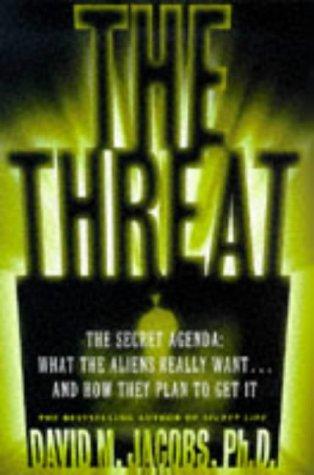
The Temple University historian's most extreme claim, 23 years after his sober academic debut — drawing on 700+ hypnotic-regression sessions to argue, as settled fact, a covert multi-generational alien–human hybridization program aimed at societal infiltration.
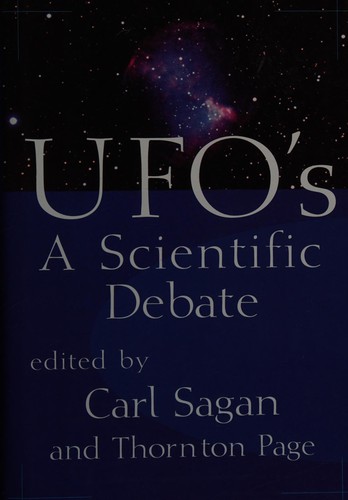
The published proceedings of the December 1969 AAAS symposium Edward Condon tried to have cancelled — Hynek and McDonald's case for serious investigation against Menzel's skepticism, born directly out of the Condon Report controversy.
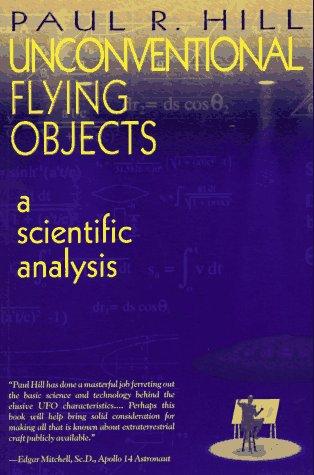
A 31-year NASA Langley aerodynamicist applied real aerospace engineering to reported UFO flight characteristics — then NASA policy kept him from publishing it. His family finally released the manuscript five years after his 1990 death.
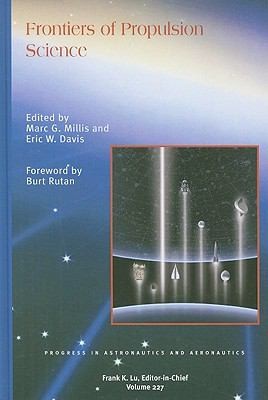
A 737-page AIAA anthology documenting NASA's Breakthrough Propulsion Physics Project — not a UFO book at all, until you learn co-editor Eric W. Davis was later revealed as the Pentagon's AAWSAP/AATIP science advisor.

A taped, transcribed three-way conversation between ufology's two most credentialed scientists and a moderating psychologist — published the same year as Vallée's solo Invisible College, and just as unresolved.
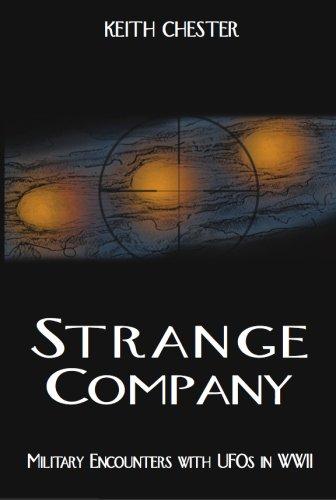
An artist and filmmaker's eight-year National Archives dig into the WWII "foo fighter" wave — this site's own primary evidentiary source for both the Foo Fighters case file and the Foo Fighter Continuity Hypothesis.
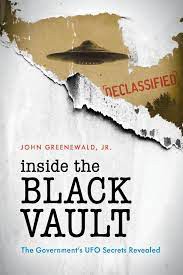
The Black Vault's founder distills more than two decades and 5,000-plus FOIA requests into a 15-chapter case against Project Blue Book's own official explanations — built from declassified paperwork rather than witness testimony.
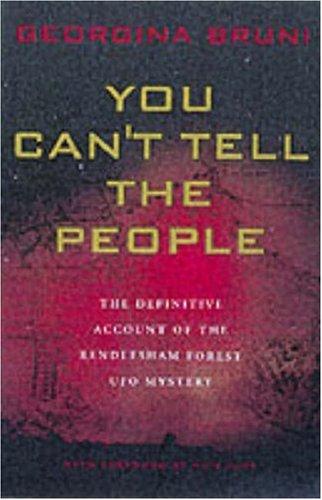
A lone investigative journalist's decade-plus pursuit of Rendlesham's Ministry of Defence, police and military sources — with help from former Chief of the Defence Staff Lord Hill-Norton — fourteen years before this site's other, government-insider Rendlesham title.
The Emmy-winning documentarian's self-published, 455-page casebook expanding her 1980 A Strange Harvest into a full proponent argument linking cattle mutilations to alien abduction — already cited by ISBN on this site's own Snippy the Horse case file.
Two journalists spend a year in the field investigating the same cattle-mutilation wave An Alien Harvest covers, and reach the opposite verdict — a skeptical, 504-page account corroborating the federal Rommel investigation, already cited by ISBN on this site's own Snippy the Horse case file.
Temple's bestseller argued the Dogon of Mali preserved real knowledge of the invisible star Sirius B from amphibious Sirius-system visitors — built on genuine French anthropological fieldwork whose own discipline later found may have contaminated the "ancient" tradition it recorded.
Sheaffer's debut book, four years into his Skeptical Inquirer column and a year before Bay Area Skeptics existed — where the "jealous phenomenon" concept and his McMinnville, Mariana, and Tremonton case analyses were first worked out, three decades before Bad UFOs.
A twice Pulitzer-nominated New York Times reporter, working outside ufology entirely, chased a 1987 source tip into a classified DIA panel he called the "UFO Working Group" — a claim no later declassified record has confirmed.
The 1999 COMETA report in its full 2003 book edition — how roughly thirty retired French generals, admirals, and engineers structured a 90-page defense-policy document, why its extraterrestrial-hypothesis conclusion is more hedged than its reputation suggests, and the mocking French press reception that met it.
The man who spent nearly three decades running GEPAN and SEPRA, France's official government UFO unit, makes his own unreserved case for the extraterrestrial hypothesis — published the same year CNES dissolved his office and created GEIPAN in its place.

The primary civilian investigator of the Kecksburg Incident's own 348-page field casebook of the 1973–1974 Pennsylvania wave of overlapping UFO and Bigfoot-type creature reports — witness testimony collected in real time, with no body or physical proof ever produced for either phenomenon.
Lockheed's second Skunk Works director's own memoir of the Have Blue/F-117 stealth program — a sober, non-speculative insider account of the classified test flights that really did generate Cold War UFO reports, distinct from the separately sourced "take ET home" quotes ufology has misattributed to this book for decades.
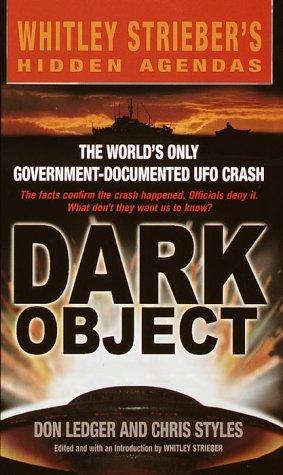
Two Nova Scotia researchers reopen the 1967 Shag Harbour case in 1993 and, through Access to Information requests, obtain the Royal Canadian Navy's own dive-search records — edited and introduced by Whitley Strieber.
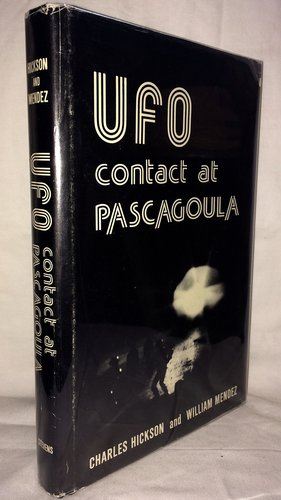
Charles Hickson's own first-person account of the 1973 Pascagoula River abduction, co-written a decade later with investigator William Mendez and paired with the original interview and hypnosis transcripts.
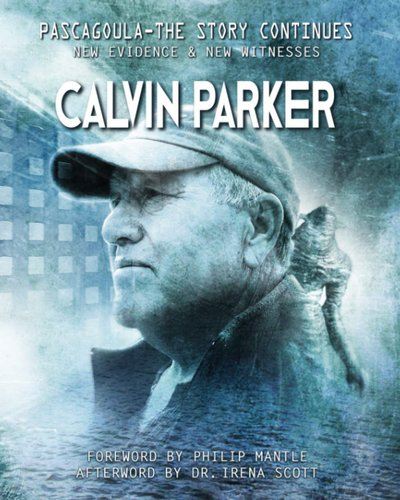
Calvin Parker's follow-up to his own 2018 debut, gathering a new riverside eyewitness, an APRO puncture-wound document, and six hypnosis transcripts spanning 1973 to 2019 — the second-witness record of the 1973 Pascagoula River abduction.
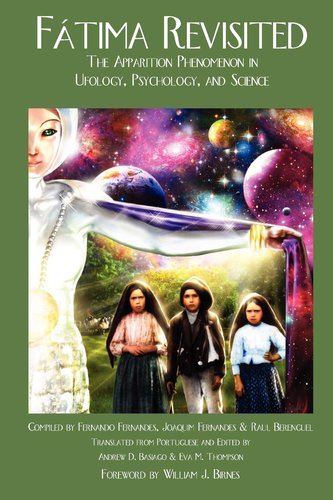
The Fatima Trilogy's closing volume, testing the ufological reading of the 1917 Fatima apparitions against outside chapters from Jacques Vallée, David M. Jacobs, and Michael Persinger rather than restating the case alone.
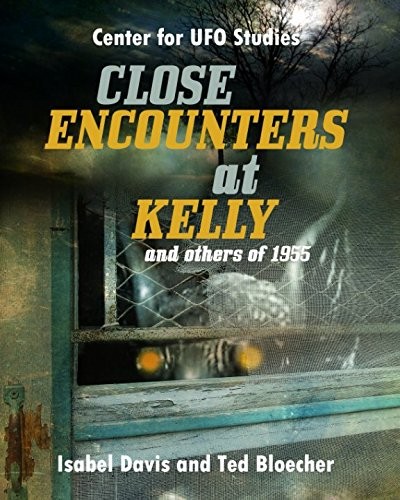
The original Center for UFO Studies field report behind the Kelly-Hopkinsville "goblins" siege, built on next-morning witness interviews and Isabel Davis's own 1956 follow-up investigation, paired with Ted Bloecher's survey of five other 1955 humanoid cases.
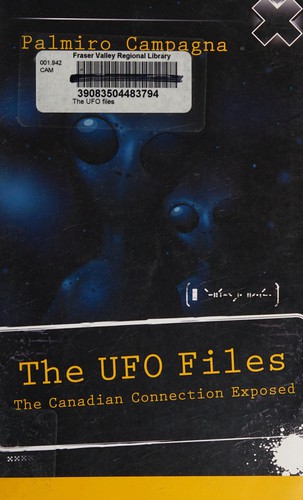
A Canadian Department of National Defence engineer's insider case for Wilbert Smith's Project Magnet, the Michalak/Falcon Lake encounter, and the Avrocar — built around a "Secret"-marked NORAD log book Campagna personally obtained through Access to Information.
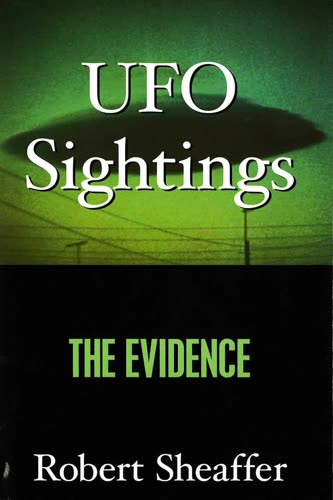
Sheaffer's expanded update of The UFO Verdict, cited directly across 10 of this site's own case files — from the Mariana film to Jimmy Carter's own 1969 sighting.
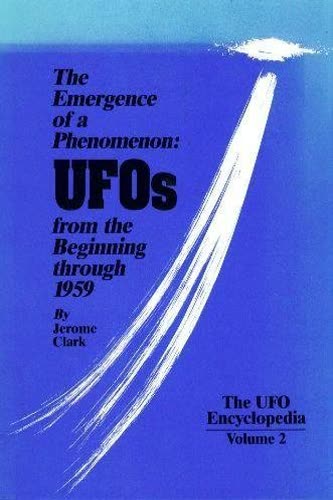
Volume 2 of Clark's original UFO Encyclopedia, cited directly across 6 of this site's own case files — from the 1896-97 airship wave to 1954's Italian and French sightings.
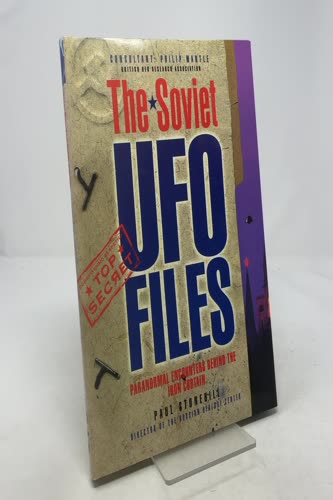
The first major English-language survey of Soviet UFO secrecy, cited directly across 6 of this site's own case files — from the 1663 Robozero Incident to 1989's Voronezh Landing.
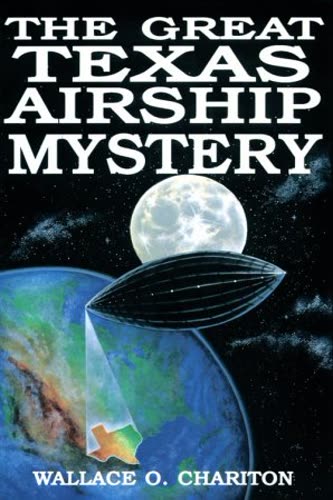
A newspaper-archive retelling of the 1897 Texas airship wave and the Aurora crash claim, cited directly across 4 of this site's own case files.
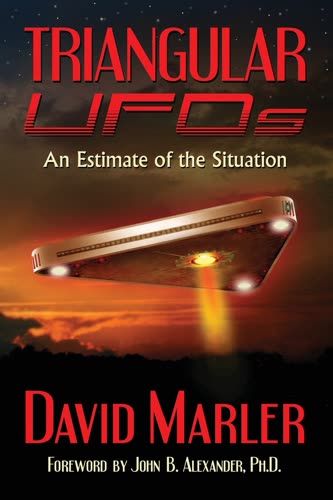
A MUFON investigator's thirteen-year survey of black-triangle sightings, cited directly across 5 of this site's own case files — from Highland, Illinois to Soesterberg Air Base.
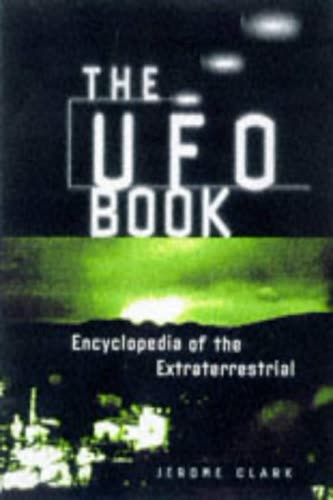
A Benjamin Franklin Award-winning single-volume abridgement of Clark's UFO Encyclopedia, cited directly across 5 of this site's own case files — from Kenneth Arnold to Ross Barnett Reservoir.

Vallée's firsthand account of his 1990 glasnost-era Soviet research trip, cited directly across 5 of this site's own case files — from Voronezh to Dalnegorsk.
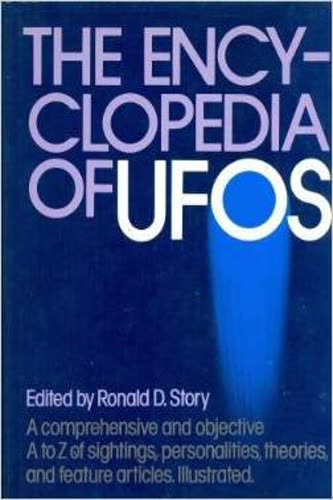
The field's first comprehensive alphabetical reference, cited directly across 4 of this site's own case files — from Father Gill to the Island of Trindade.
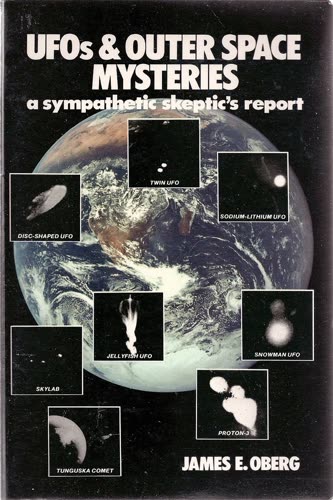
A NASA flight controller's foundational "space dandruff" methodology, cited directly across 4 of this site's own case files — from Apollo 11 to STS-48.
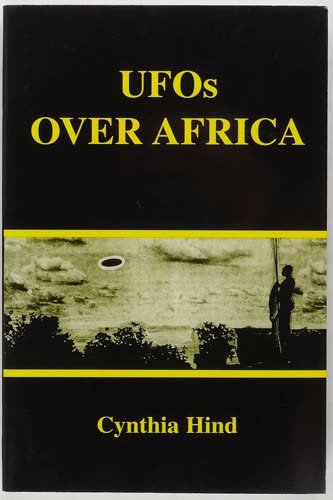
Africa's foremost ufologist's own field casebook, cited across 3 of this site's own case files — including her firsthand Ariel School investigation.
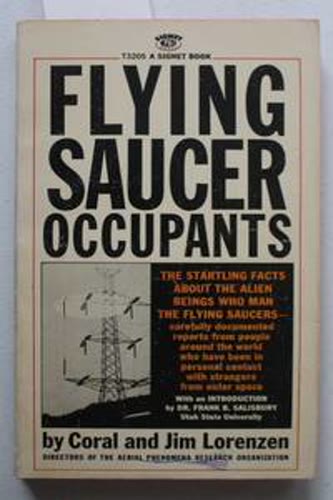
APRO's foundational casebook, cited across 2 of this site's own case files — including the first English-language book to carry the Antônio Vilas-Boas abduction.
A veteran BUFORA investigator's skeptically calibrated abduction survey, cited across 2 of this site's own case files — from Ariel School to Prospect Kentucky.
An aerospace engineer's six-year investigation into the 1896-97 mystery-airship wave, cited across 2 of this site's own case files — from the national wave to the Aurora crash.
A 25-year, $500,000 attempt to rehabilitate the debunked 1948 Aztec crash claim — reviewed here against this site's own skeptical case-file research.

Brazil's MUFON National Director surveys the country's major UFO cases, cited across 2 of this site's own case files — from Trindade to Barra da Tijuca.
The final Alien Contact Trilogy volume investigates UFO hoaxes and deception, cited across 2 of this site's own case files — from Bob Lazar to a 2023 Langley AFB drone swarm.
The first comprehensive survey of Scottish UFO history, cited across 2 of this site's own case files — from the Livingston forester's police-investigated encounter to the early Bonnybridge wave.
The first book-length account of the 1977 Broad Haven Triangle wave, written by the BUFORA investigator who worked it in person — cited across 2 of this site's own case files.
A Haynes-branded field-methods guide to evaluating UFO evidence, cited across 2 of this site's own case files — for physical-trace and instrumented sensor evidence alike.
The definitive account of the 1980 Texas radiation-injury case, written by its lead MUFON investigator and NASA aerospace engineer — cited across 2 of this site's own pages.
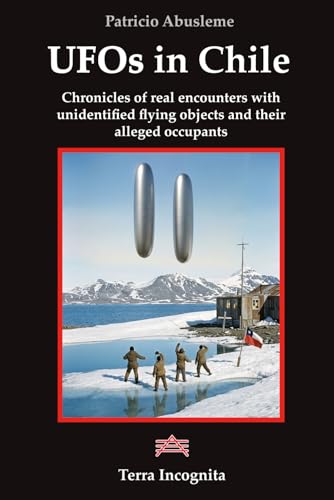
A Chilean journalist's documentary survey of thirteen major national UFO cases (1956–1998), cited across 2 of this site's own CEFAA-investigated case files.

An academic ethnography of Chilean ufology built on three years of fieldwork with contactees and skywatchers, cited across 2 of this site's own CEFAA-investigated case files.

A declassified-records survey of South American UFO sightings (1947–1979), cited across 2 of this site's own Chilean CEFAA case files for wider regional context.
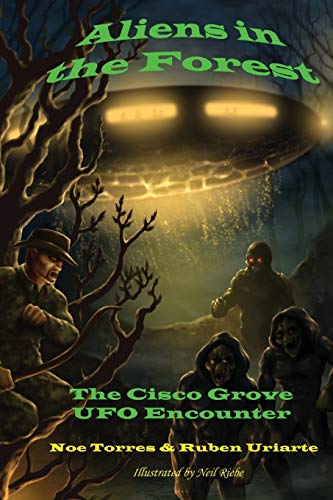
The definitive account of the 1964 Cisco Grove tree siege, co-authored with witness Donald Shrum himself — this site's primary source for the case.
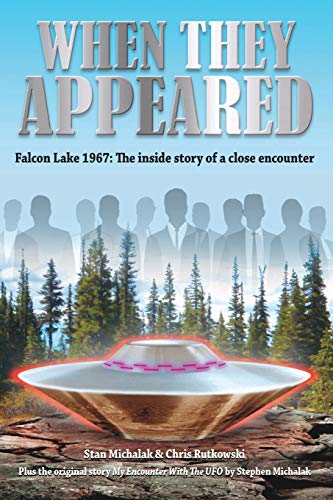
The inside story of Canada's most thoroughly investigated UFO case, told by the witness's own son alongside decades of researcher Chris Rutkowski's inquiry.
Vallée's own contemporaneous 1970s journals, spanning exactly the years France's GEPAN was founded — firsthand institutional background for two of this site's own GEPAN-investigated cases.

A chemist's forensic DNA investigation of a preserved hair sample from Sydney's Peter Khoury abduction case — genuine laboratory science applied to claimed abduction evidence.
Hynek's final published work — the defining, 900-deposition account of the 1982-1995 Hudson Valley wave, completed by his co-authors after his death.
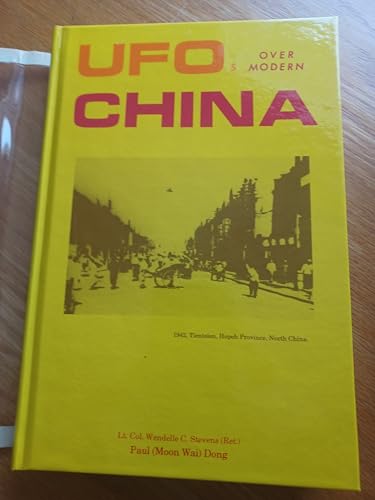
One of the earliest systematic English-language surveys of Chinese UFO reporting, cataloging more than 500 cases from the disputed Hopeh photograph onward.
A broad survey by two investigators reporting on their own British cases, including Hough's personal forensic work on the Ilkley Moor photograph.
A former NASA scientist's methodical geometric analysis of pilot-reported multi-object UAP sightings, including his own direct study of the JAL 1628 encounter.

A rare dedicated casebook gathering a century of Indian UFO reports, from a 1954 Bihar village sighting to a 2007 Kolkata broadcast phenomenon.
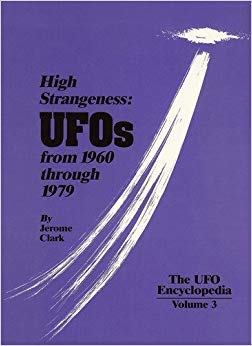
Volume 3 of Clark's original UFO Encyclopedia, cataloging the phenomenon's most active two decades — from Wanaque's multi-witness sighting to the Loring AFB nuclear-base intrusion.
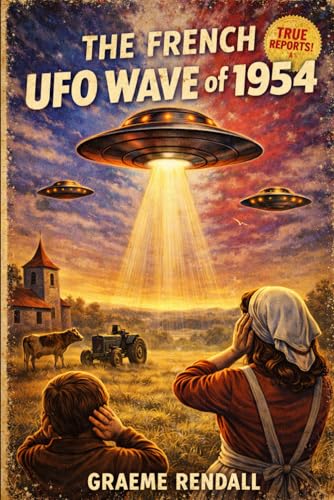
A newspaper-sourced English-language study of France's largest documented UFO wave — from the landed craft at Quarouble to the vehicle-interference reports that followed.
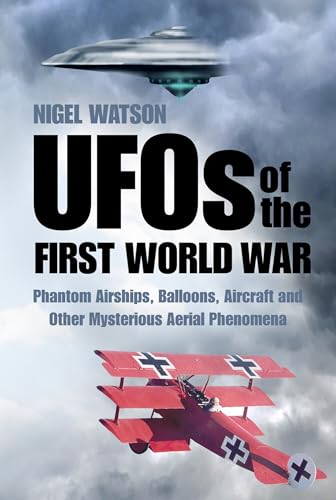
A wider, mainstream-press survey of WWI-era aerial anomaly reports across Britain, Germany, the US, Canada, Norway, and Australia -- from misidentified Zeppelin observation cars to disputed wartime legends.
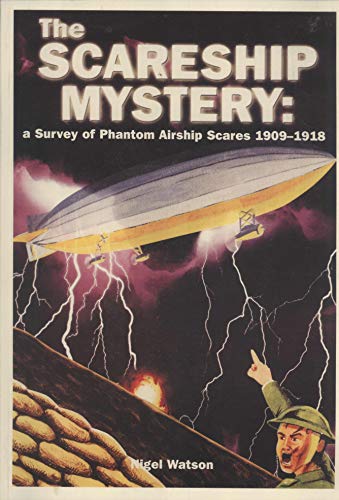
The first complete portrait of the international "scareship" panics — the psychosocial ancestor of modern UFO reporting, from New Zealand's 1909 wave through WWI.
A sociological survey of mass delusions and social panics, from medieval dancing manias to social-media-amplified hysteria, situating both of this site's airship waves within a broader collective-behavior framework.
A retired military intelligence officer's thorough civilian investigation of the July 1952 Washington, D.C. radar-visual UFO wave that drew President Truman's own direct inquiry.
Primary-source writings from the Canadian government engineer who founded his country's first official UFO investigation, compiled with additional research context.
A scholarly history of Canada's federal UFO-reporting apparatus, from Project Magnet through the National Research Council era, centering the officials who had to respond rather than the witnesses.

A National Archives survey of Britain's officially-investigated mysteries, from the Angels of Mons to a Special Branch phantom-helicopter hunt.

A skeptical, case-by-case audit of France's official GEPAN/SEPRA/GEIPAN UFO study units, naming a misidentified helicopter at Cussac and tire tracks at Trans-en-Provence.
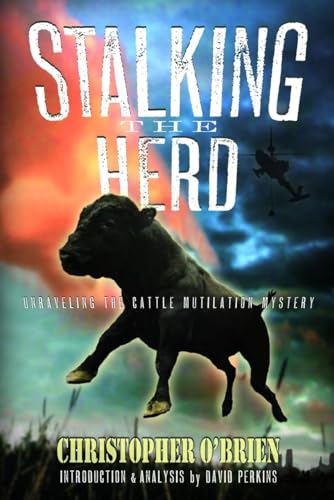
A comprehensive single-volume survey of nearly fifty years of unsolved cattle mutilation reports, weighing predator, government, cult, and extraterrestrial explanations against each other.
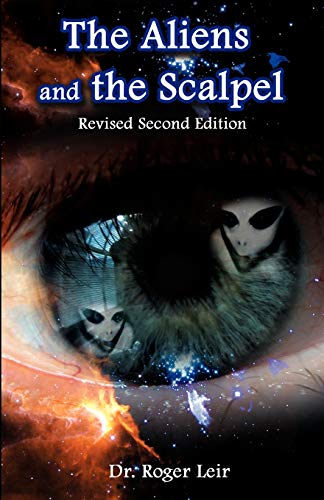
A podiatric surgeon's own account of his widely rejected alien-implant removal program, including the New Mexico Tech lab analysis his book reinterprets as evidence of extraterrestrial origin.
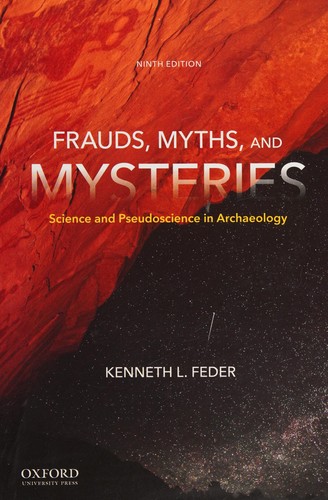
A long-running university textbook applying scientific archaeological method to ancient-astronaut and lost-civilization claims, now in its tenth edition after three decades in print.
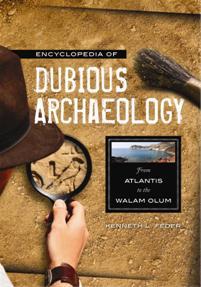
An alphabetically-organized reference cataloguing disputed archaeological claims from Atlantis to the Walam Olum, carefully separating honest error from outright fraud.
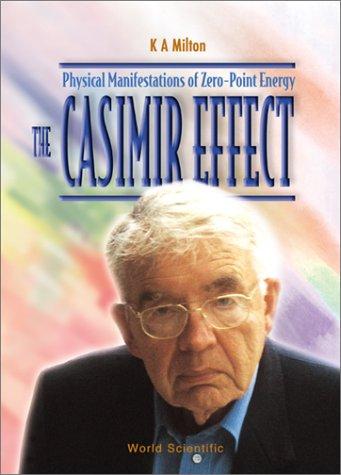
A graduate-level physics monograph on the confirmed Casimir force, the rigorous foundation this site checks speculative zero-point-energy extraction and vacuum-polarizability propulsion claims against.
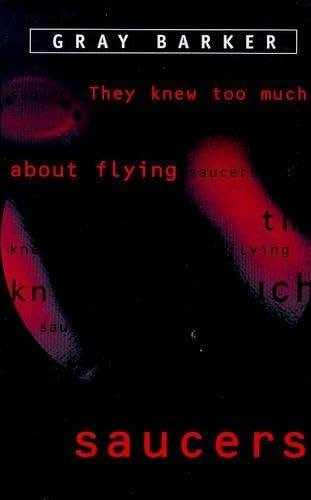
The dramatized 1956 account that created the "Men in Black" concept for a mass audience, by an author with a well-documented career-long habit of embellishment.
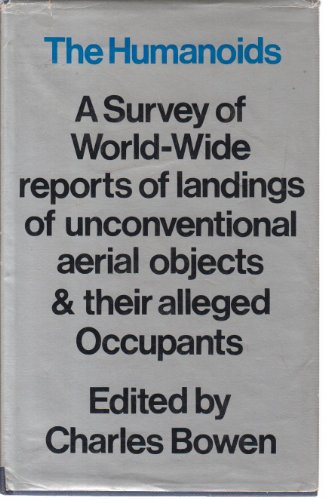
Charles Bowen's landmark anthology of worldwide humanoid-occupant landing reports, expanded from a 1966 Flying Saucer Review special issue, with contributions from Aimé Michel and Jacques Vallée.
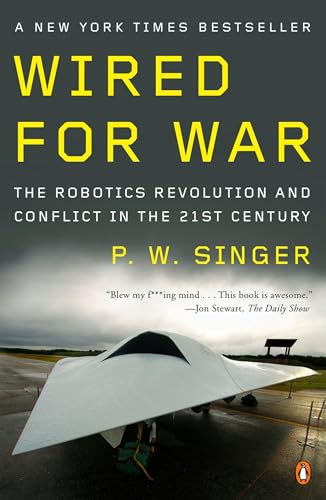
A New York Times bestselling survey of the accelerating military robotics revolution, cited on this site as essential background on the drone technology behind two unresolved case files.
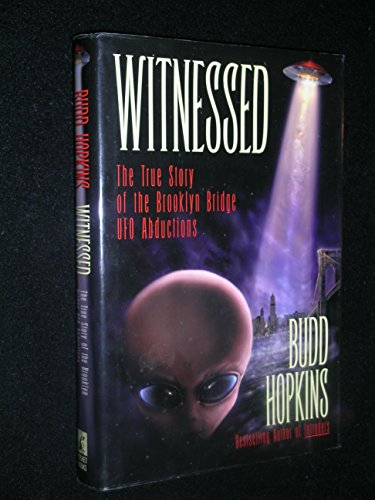
Hopkins' account of the Linda Cortile case, presented as the most thoroughly corroborated abduction in the field's history -- until his own former wife publicly alleged its key corroboration was fabricated.
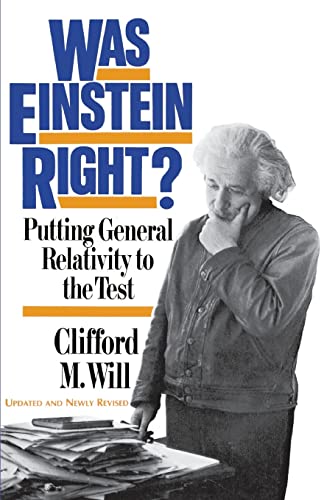
A leading relativist's rigorous account of how general relativity's predictions have been experimentally confirmed -- the settled-physics baseline this site's own speculative-propulsion theories are measured against.
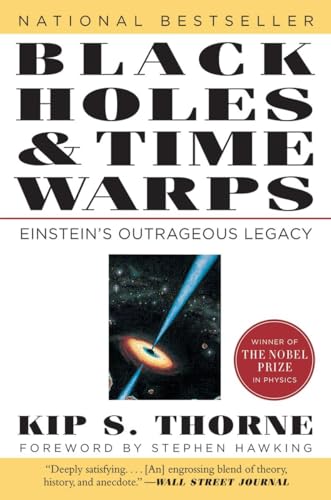
Nobel laureate Kip Thorne's history of black holes, wormholes, and gravitational waves -- the confirmed-physics extremes this site's own speculative-propulsion theories are measured against.
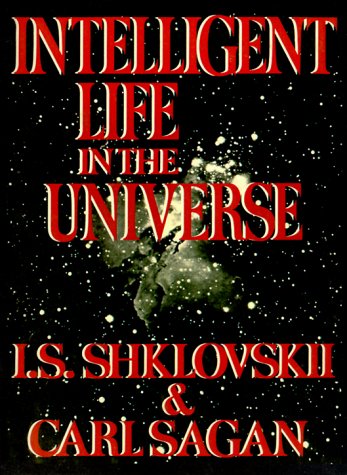
A landmark East-West collaboration and one of astrobiology's foundational texts, laying out the reasoning behind Bracewell probes, the Hart-Tipler debate, and the Zoo Hypothesis alike.
A survey of Mexican pilot and aviation-radar UFO sightings spanning fifty years, from the 1991 eclipse-day video wave to the 2004 Campeche military FLIR incident.
Barker's final book-length return to the trope his 1956 book made famous -- a survey of how far the Men in Black legend, born in a discredited 1947 hoax, had grown by the early 1980s.
A documentary facsimile of Bender's own released FBI file and period clippings -- credited to a "Kenneth Arnold" who this site's research finds cannot be the famous 1947 witness.
An astrophotographer's identification guide to sky phenomena, cited on this site for its sun dog explanation at Alderney and its ball lightning material at Brown Mountain.
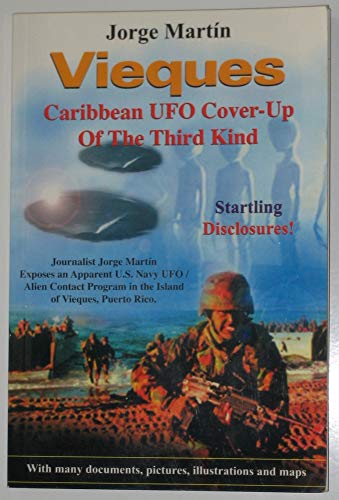
A Puerto Rican journalist's claim of a covert Navy-ET contact program at the real Vieques bombing range, from the same reporter who leaked the Aguadilla CBP FLIR video.
An academic essay collection uniting Budd Hopkins, John Mack, and skeptical neuroscientist Michael Persinger to argue abduction claims deserve serious scholarly study.
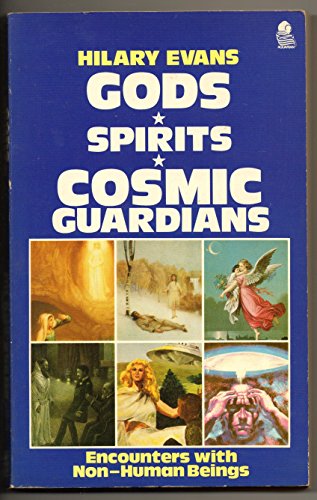
A comparative study treating encounters with gods, saints, spirits, and UFO occupants across history as a single psychological phenomenon.
A technical reference on meteor trajectory and behavior, cited for weighing Lincoln La Paz's own professional objections in the Green Fireballs case.
Collins's own memoir of Apollo 11, written by the crewmember who personally examined the mission's unidentified object through the sextant.

Aldrin's own memoir, from the crewmember most associated with Apollo 11's sightings, addressing decades of public speculation about what he really saw.
The only authorized Armstrong biography, built on fifty-plus hours of interviews, offering essential context on the crew's technical training and characteristically understated reporting style.
Drawing on interviews with nearly every Apollo moonwalker, this history situates the Apollo 11 translunar coast and its minor onboard curiosities within the full arc of the lunar program.
An operational history of Iran's F-14 fleet, providing real background on the same air force present in both the 1976 Tehran Incident and the 2004 Arak F-14 radar claim.

A later, more rigorously documented book by this case's own sole source, drawing on declassified Iranian military records — useful for readers assessing Taghvaee's broader research methods and standing as an Iranian air force historian.
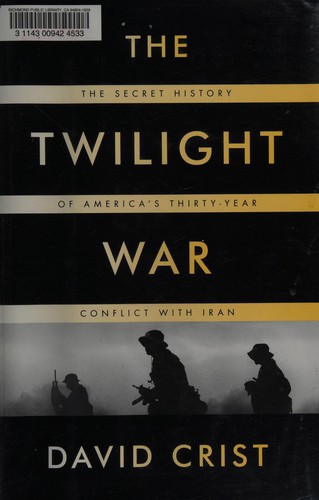
A deeply sourced history of covert U.S.-Iran confrontation, providing the fullest available context for the genuine American intelligence interest in Iran's nuclear sites during the exact period this case's claim is set in.
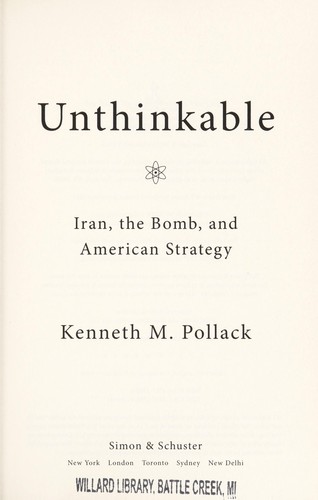
A detailed strategic history of the Iran nuclear standoff, useful for readers wanting fuller context on why Arak, Natanz, and Bushehr became the specific focus of the intelligence and military anxieties this case's claim reflects.
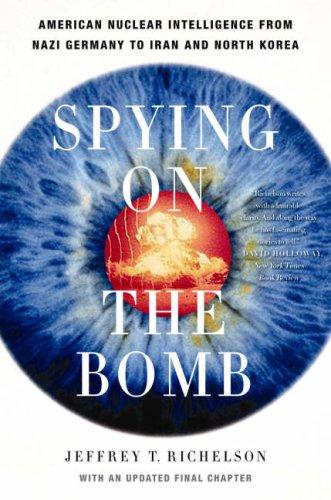
A global history of American nuclear-intelligence efforts, including a dedicated treatment of U.S. reconnaissance against Iran's nuclear program — directly relevant background for evaluating the "suspected CIA drone" explanation Iranian sources themselves favored.

Dr. Mack's Pulitzer Prize-winning biography, the subject of the London conference he was attending at his death.

Loftus's foundational study of memory distortion and post-event suggestion is directly relevant to this case's own documented concern about witnesses consulting each other before finalizing key questionnaire answers.
Includes a dedicated chapter on the Aurora incident within a wider collection of overlooked and strange Texas history, situating the story alongside other regional hoaxes and curiosities.
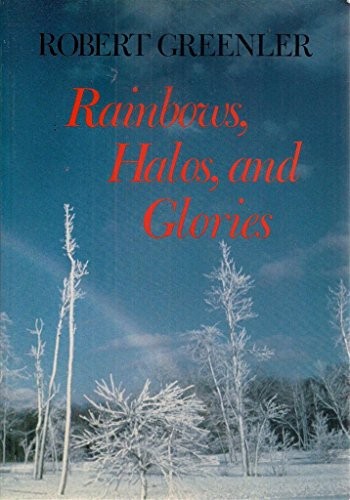
The standard non-technical reference on sun dogs, halos, sun pillars, and related ice-crystal optical phenomena — the physical basis of this case's leading conventional explanation, illustrated in detail.
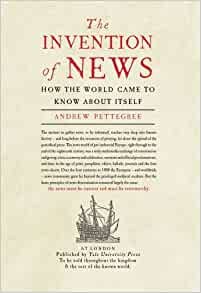
A history of early print news culture across ten countries, situating printers like Samuel Apiarius and compilers like Samuel Coccius within the commercial and political news economy that produced sheets like Basel's.
A comprehensive historical analysis focusing on the military responses and radar data from the 1942 blackout.
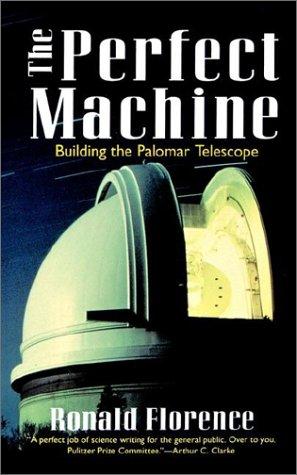
A definitive history of the Samuel Oschin/Hale telescope complex whose 1949–1958 sky survey produced the very photographic plates at the center of VASCO's entire evidentiary base.
A history of espionage and the wartime race for uranium in the Belgian Congo, documenting the OSS mission to secure Shinkolobwe's export route — the real Cold War backdrop behind this case's report.
The Pulitzer Prize-winning history of the Manhattan Project, including the global scramble for uranium ore that made Shinkolobwe's exceptionally high-grade Congolese deposit strategically indispensable.
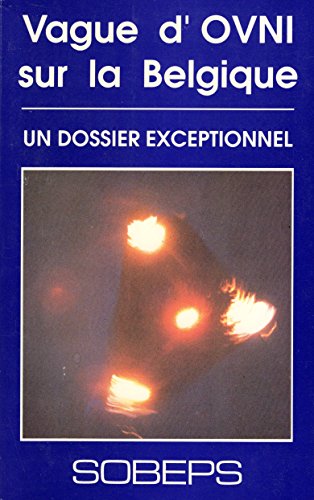
The definitive 500+ page investigative report compiling gendarmerie files and civilian cases from the wave's first phase.
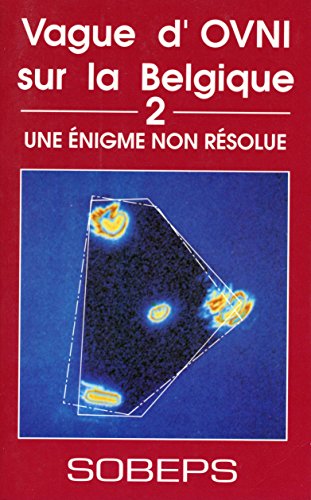
Second volume containing extensive meteorological analyses and Prof. Auguste Meessen's radar lock studies.
Andy Roberts's detailed 2010 investigation of the 1974 Berwyn Mountain "Welsh Roswell" claim, drawing on interviews and official documents.
Sagan's 1973 case for extraterrestrial life, and the origin of the statistical reasoning he later applied directly to the Hill star-map thesis.
A planetary scientist's case for the real, documented physics of comet and asteroid impacts — the evidentiary baseline for weighing the 2011 UNAM Bonilla comet-fragment hypothesis.
A joint retrospective by the two researchers most closely associated with three decades of UFO reports from Scotland's self-proclaimed UFO capital.
Halliday's dedicated 1998 treatment of the Falkirk Triangle specifically, among the earliest book-length examinations of the phenomenon by name.

The definitive history of the Algerian War, providing essential context for the wartime conditions under which the 1958 Bouamama UFO sighting occurred.

The second contemporary book on the Broad Haven wave, more sensationalized than Pugh and Holiday's account, popularizing speculation about a submerged base beneath St Bride's Bay.
Six decades of witness drawings from Britain's MoD UFO files, including Clarke's analysis of the Broad Haven children's sketches and the weekend gap it revealed.
Nickell's hands-on investigation of over forty paranormal mysteries, including his own firsthand field investigation of the Brown Mountain Lights.
A North Carolina folklore collection of ghosts, spook lights, and UFOs from all forty Piedmont counties, offering comparative context for the Brown Mountain Lights.
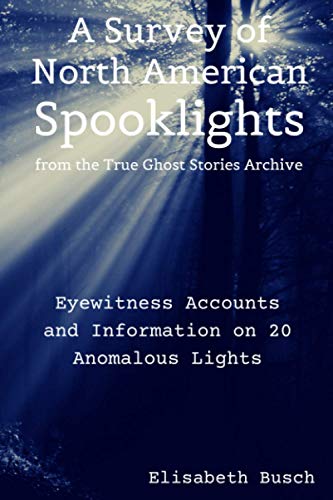
A comparative survey of twenty American and Canadian ghost-light phenomena, including Brown Mountain alongside Marfa and other recurring light sites.
A veteran wire-service journalist's folklore-and-history treatment of American ghost-light phenomena, situating Brown Mountain within its wider cultural tradition.

The primary source for the 1968 Buff Ledge case — Webb's own five-year investigation, including full hypnosis transcripts for both witnesses.
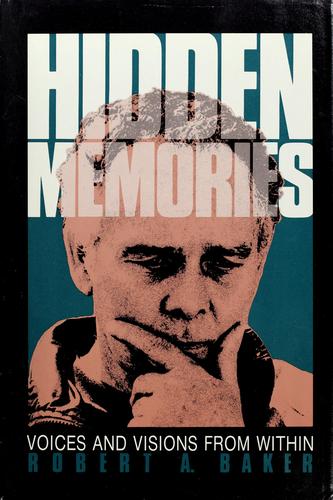
A skeptical psychologist's study of hypnosis, suggestion, and cryptomnesia — essential counterweight for evaluating hypnotic-regression testimony central to cases like Buff Ledge.

A general framework for evaluating high-profile claims released through unofficial disclosure channels, directly applicable to how the Campeche footage reached the public.
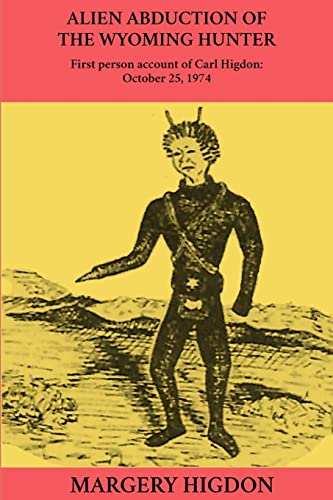
A first-person family account of the 1974 Carl Higdon case and its decades-long aftermath, written by his own wife.
The first book-length survey of contactee "healing" claims, useful for placing Carl Higdon's reported resolution of tuberculosis scarring and kidney stones in wider context.
By the NARCAP founder, whose decades of pilot-sighting research provide the methodological framework this site draws on for assessing professional pilot testimony.
The original book-length account, published while the case was still presented as genuine — essential for seeing the story's own claims before Prévost's 1983 confession.

Written by one of the civilian investigators who worked alongside GEPAN on the Cergy-Pontoise case, offering an investigator's-eye account of France's official UFO investigation.
A Manitoba researcher's firsthand account of the case that began his career — the 1975-76 Carman UFO wave, told largely in his own original interview notes.
A media producer's case against the witness-stigma stereotype -- with two commonly repeated career claims checked directly and found unsupported.
A Fayetteville contractor's memoir of his 2007 encounter and its aftermath — framed by a CIA veteran's foreword and an Army colonel's introduction.
The American Cosmic author's follow-up study of sustained contact claims — and a documented critical concern about how uncritically it treats its own sources.
Nick Redfern's 1997 FOI-driven history of Ministry of Defence UFO secrecy, foreword by Nick Pope, tracing the same DSI/JTIC pattern this site's own 1950 case file documents.
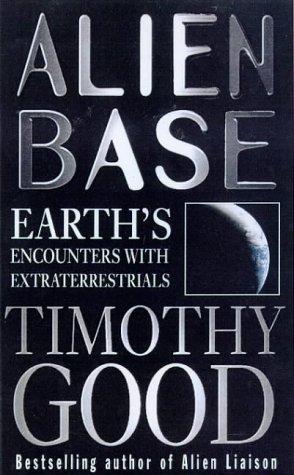
Timothy Good's 1998 survey of alien-colonization claims, from Daniel Fry's disputed White Sands date to Puerto Rico and the Dulce Base rumor mill.
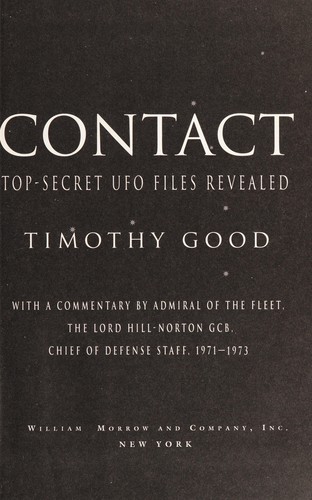
Timothy Good's 1993 sequel to Above Top Secret — Bob Lazar, Bob Oechsler, cattle mutilations, and the 1991 Mexico City eclipse wave — plus the claims Good himself later retracted.
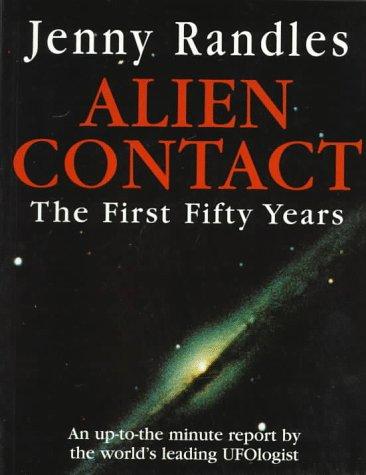
Jenny Randles's 1997 illustrated year-by-year UFO almanac from 1947–1997, cited on this site for situating Finland's Imjärvi Incident within its era.
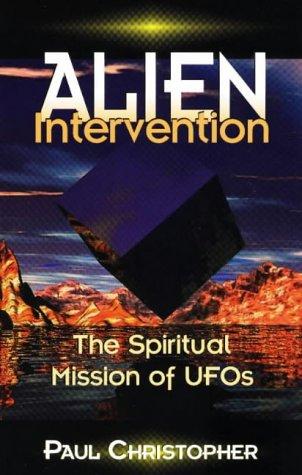
Paul Christopher's 1998 reading of the contactee movement as a religious phenomenon — the occult and Theosophical lineage behind the messages.
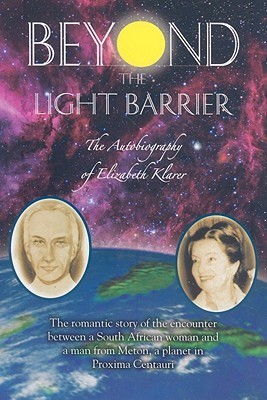
Elizabeth Klarer's 1980 autobiography — the Drakensberg sightings, Akon, the disputed 1956 photographs, and the son she said was born on Meton.
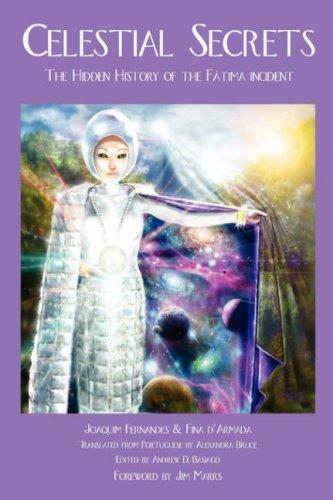
Fernandes and D'Armada's second Fátima volume: how Lúcia dos Santos's 1941 Church-guided memoirs reshaped the 1917 archival record of the apparitions.
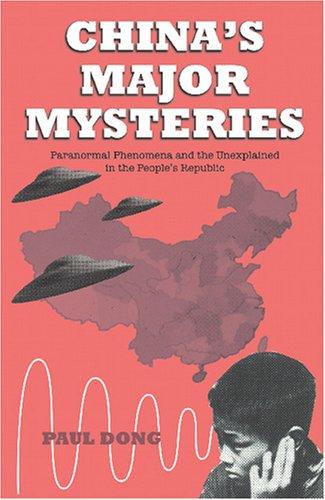
Paul Dong's 2000 survey of Chinese UFO research, qigong, extraordinary human function and the Wildman — a rare English window on a state-adjacent field.
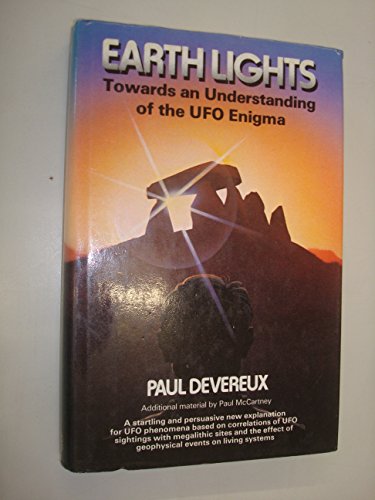
Paul Devereux's 1982 Earth Lights coined the term and proposed the geophysical framework behind Hessdalen research and the tectonic strain hypothesis.
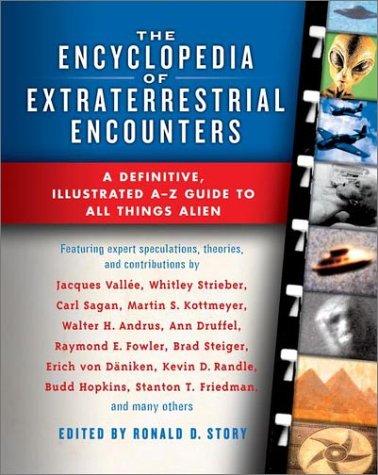
Ronald D. Story's 2001 successor to his own 1980 Encyclopedia of UFOs, with Sagan, Hopkins, Strieber and more, cited across three of this site's own case files.
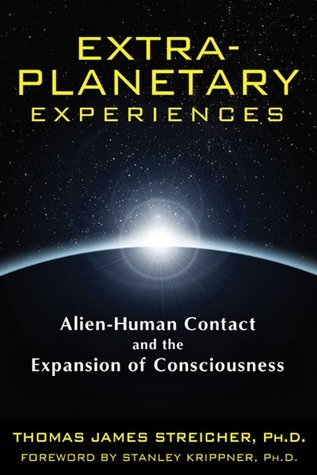
Thomas James Streicher's 2012 study of seven contact accounts — Edgar Mitchell and Ingo Swann among them — treated as transformative experiences, not physical claims.
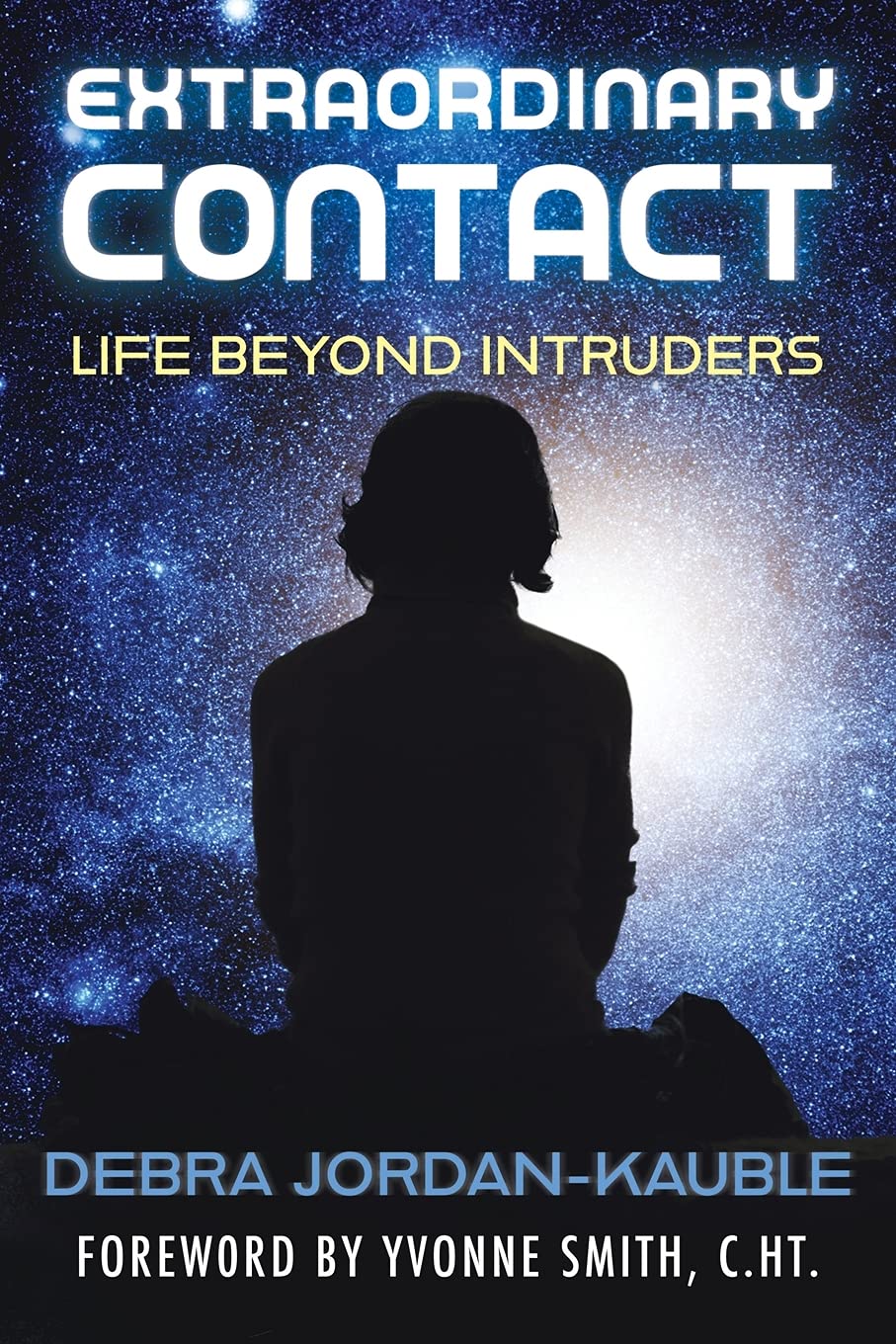
The real "Kathie Davis" tells her own story: Debra Jordan-Kauble's 2021 memoir extends Budd Hopkins's Intruders four more decades, in her own words and name.
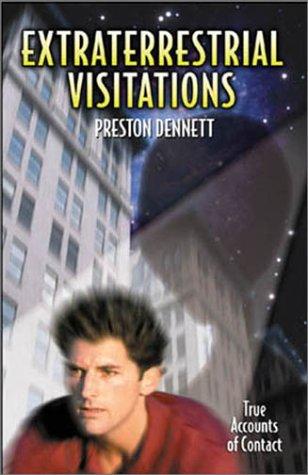
Preston Dennett's 2001 collection of ten close-encounter accounts, most from conscious recall rather than hypnosis — a deliberate methodological choice worth study.
The Reeves' 1957 two-year, 23,000-mile field survey of Adamski, Bethurum, Fry, and Williamson — source of the era's most-quoted line on Bethurum's sincerity.
Waveney Girvan's 1955 survey by Flying Saucer Review's founding editor — credulous toward Adamski's photos and the Cedric Allingham hoax, useful as an early-1950s snapshot.
Stanton Friedman's 2008 consolidation of forty years of UFO research — interstellar travel physics, Zeta Reticuli, the "Cosmic Watergate," SETI, Roswell and MJ-12.
Albert K. Bender's 1962 first-person Men in Black book — the exotic Antarctic-base, planet-Kazik account that contradicts Gray Barker's earlier bestselling version of the same events.
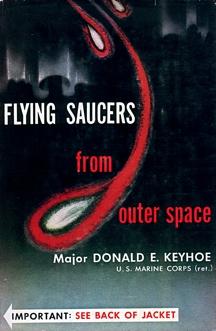
Donald Keyhoe's 1953 sequel, written with Air Force cooperation: Albert Chop, Ed Ruppelt, Gen. John Samford's Pentagon press conference, and the Gorman and Mantell cases.
Donald Menzel's 1953 Harvard book, the first scientific rebuttal of the saucers — and the one Project Blue Book itself refused to endorse on Mantell, Gorman, and Lubbock.
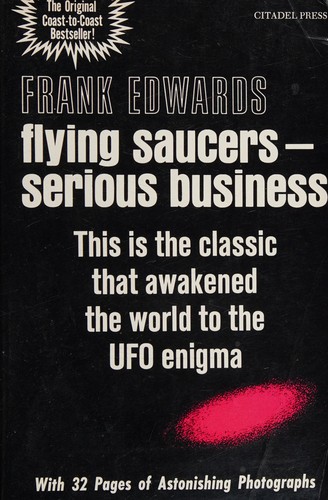
Frank Edwards' 1966 bestseller: the first mass-market account of Kecksburg and the Venezuelan wave — and the book Coral Lorenzen and Kevin Randle both caught getting the facts wrong.
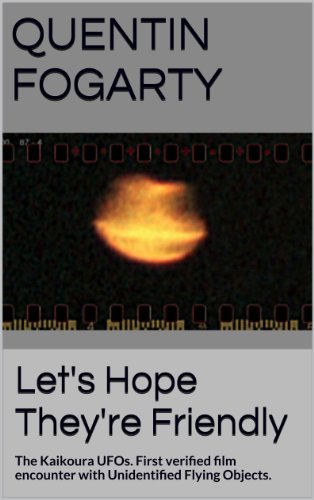
Quentin Fogarty's 1982 first-hand account of the December 1978 Kaikōura filming — the reporter who was aboard the Argosy, with an afterword by J. Allen Hynek.
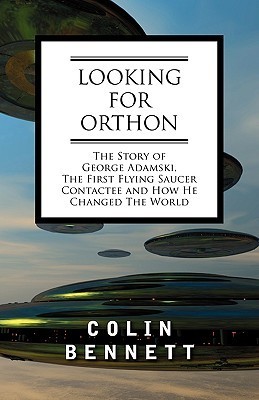
Colin Bennett's 2008 biography of George Adamski — not a defence of the Venusian contact claim but an argument that he reshaped postwar culture regardless.
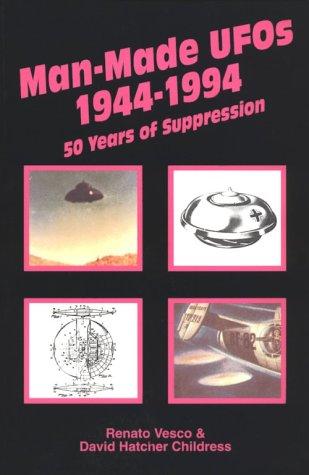
Renato Vesco's 1968 "Feuerball" Nazi-secret-weapon claim, expanded by David Hatcher Childress in 1994 — the foo-fighters theory this site's own case file rates Implausible/Unproven.
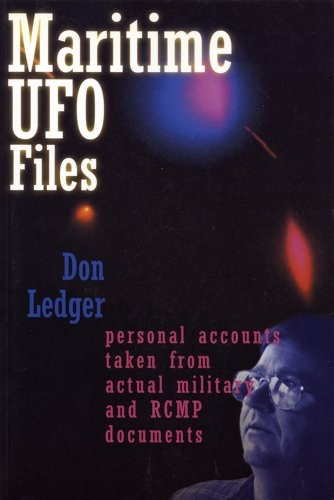
Don Ledger's decade-by-decade survey of Atlantic Canadian UFO reports, drawn from military and RCMP documents — including Shag Harbour and the 1978 Newfoundland wave.
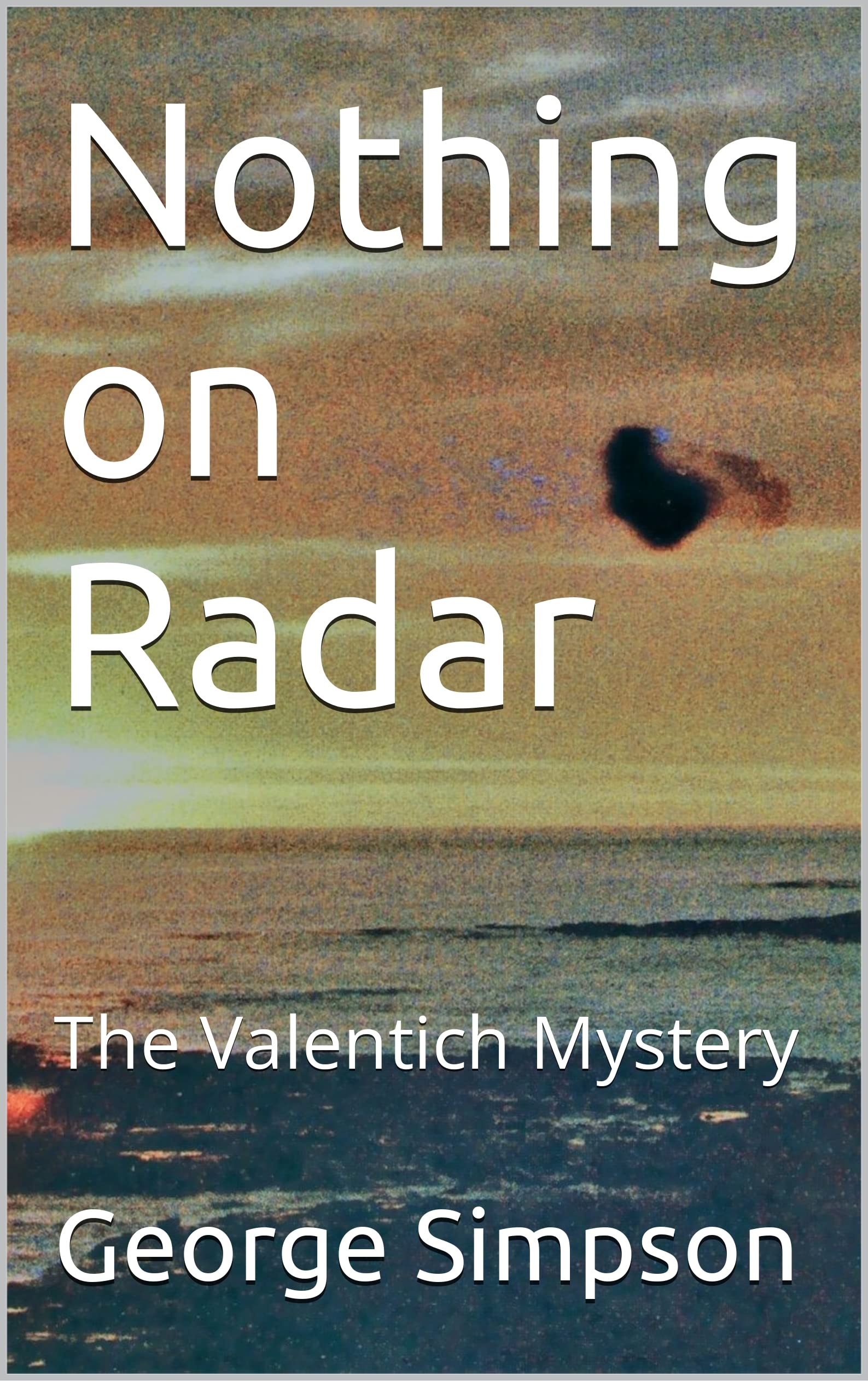
George Simpson's 2022 study of Frederick Valentich's 1978 disappearance over Bass Strait — by the investigator who watched the flight begin.
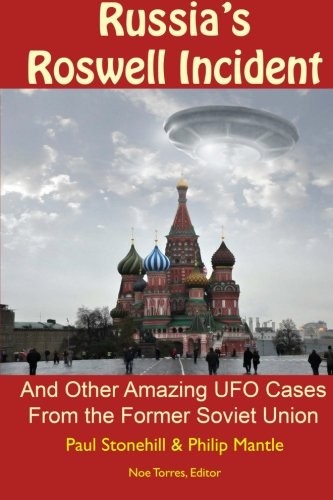
Stonehill and Mantle's account of the 1986 Dalnegorsk Height 611 crash, the eleven-institute Soviet Academy of Sciences material analysis, Tunguska, Voronezh and Kapustin Yar.
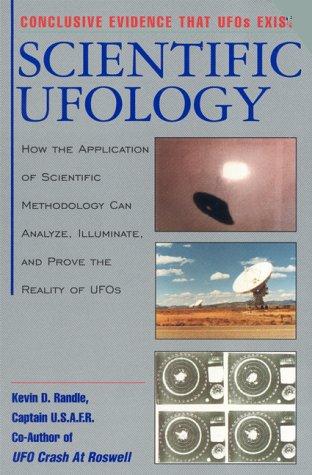
Kevin Randle's 1999 methodological argument: explicit evidentiary criteria, fifteen cases that meet them, and detailed critiques of the official investigations that closed them.
Persinger and Lafrenière's 1977 statistical study of anomalous reports — the founding text of the Tectonic Strain Theory, and the criticism that followed it.
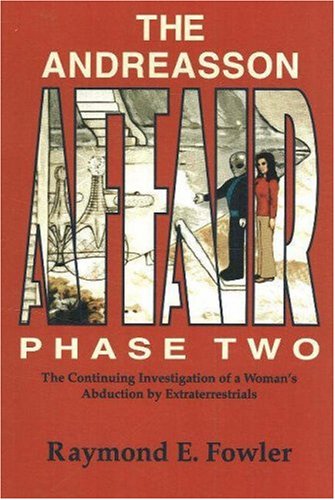
Raymond Fowler's 1982 sequel: Betty Andreasson and Bob Luca's continuing experiences, unmarked helicopters, and Ernest Taves' second Skeptical Inquirer rebuttal.
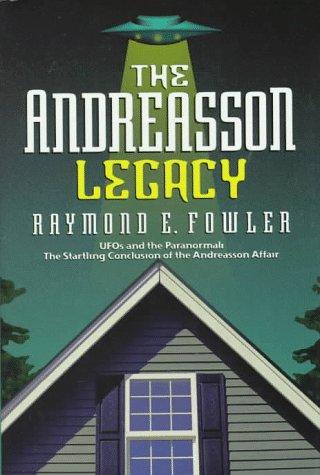
Raymond Fowler's 1997 final Andreasson volume: the two-decade investigation closes by extending the phenomenon across the Luca and Fowler families and into the paranormal.
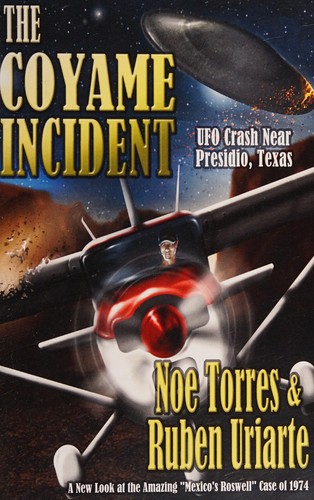
Torres and Uriarte's expanded 2013 investigation of the claimed 1974 Coyame UFO crash — regional testimony, inconclusive metal-fragment lab work, and an anonymous 1992 letter.

Kazuo Tanaka's document-by-document study of the 1803 utsuro-bune accounts — Bakin's Russian hypothesis, the vanished Harayadori, and the 2014 Sharihama find.
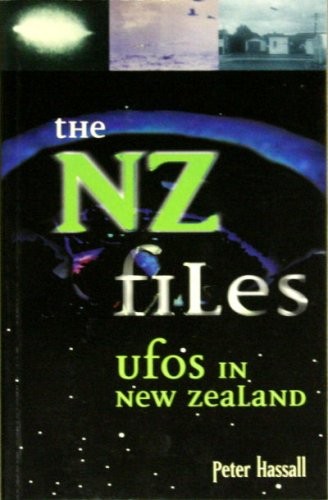
Peter Hassall's 1998 survey of New Zealand UFO reports — the first national account, and the first publication of the official Kaikōura defence report.
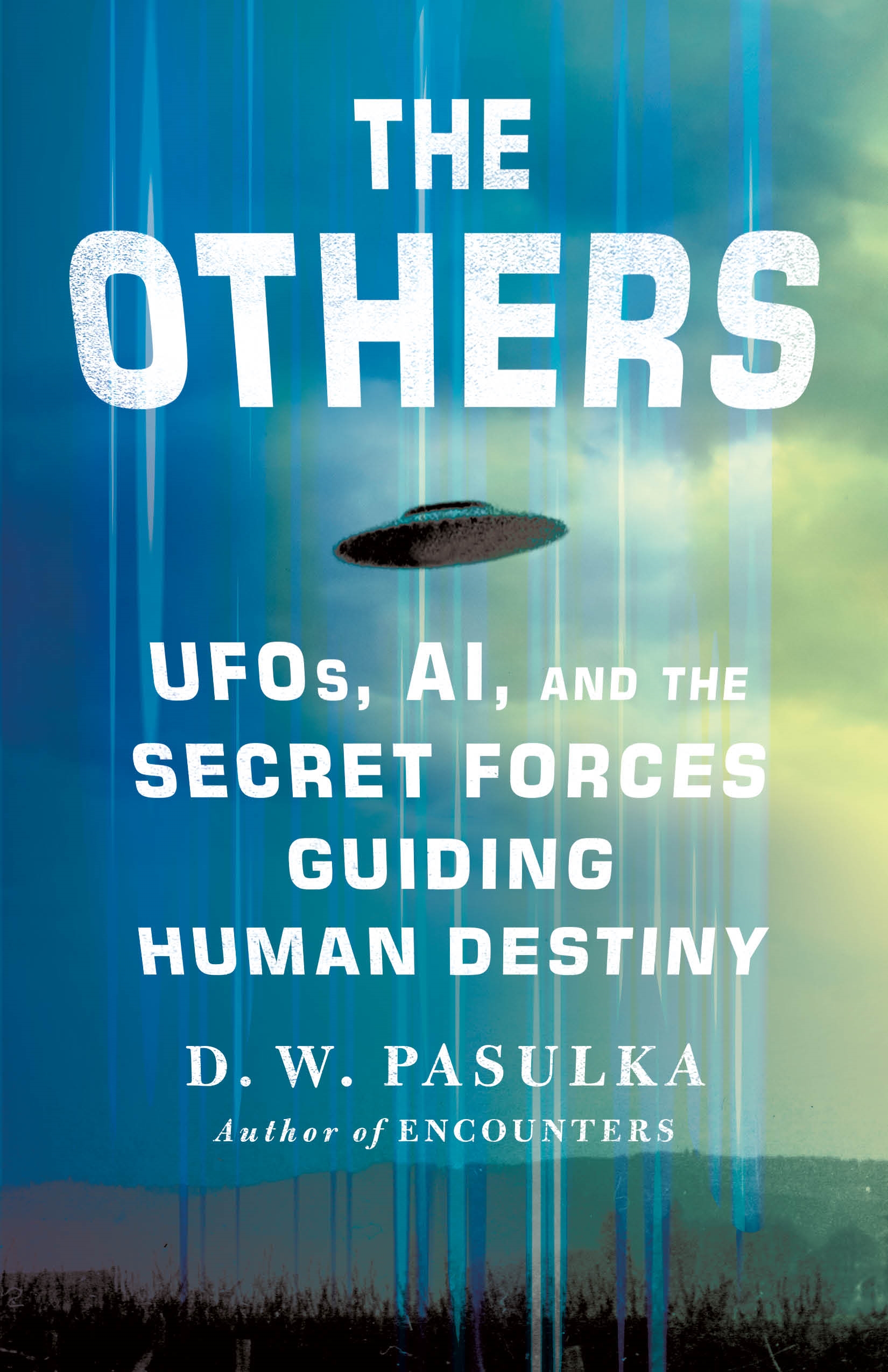
D. W. Pasulka's 2026 book argues religion is the framework humanity built for contact with nonhuman intelligence — and that AI is the next such contact.
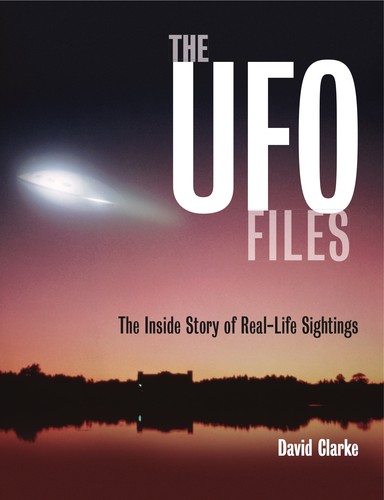
David Clarke's official National Archives history of Britain's MoD UFO files — Rendlesham, Calvine, West Freugh, Berwyn, the Flying Saucer Working Party and Project Condign.
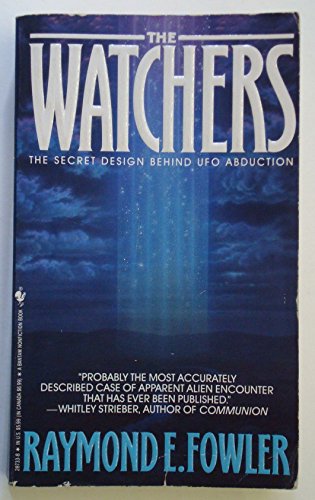
Raymond Fowler's 1990 book turns the Betty Andreasson case into an explicit theory: a long-term alien monitoring and genetic programme running across generations of one family.
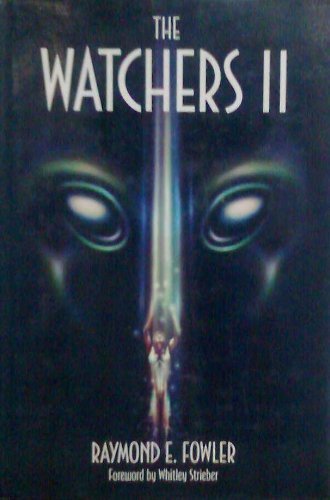
Raymond Fowler's 1995 fourth Andreasson volume, foreword by Whitley Strieber: the Museum of Time, humans in glass containers, and the merger of abduction with near-death research.
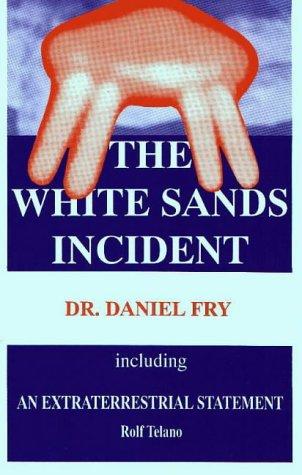
Daniel Fry's 1954 contactee book — the landed disc, remote pilot "A-lan," the flight to New York, the failed televised polygraph, and Understanding, Inc.
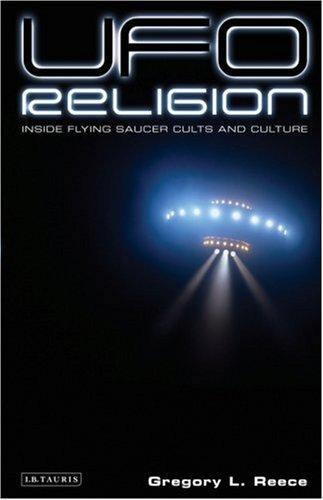
Philosophy scholar Gregory Reece's 2007 field study of contactee movements and UFO cults, cited on this site for explaining why Truman Bethurum's church failed.
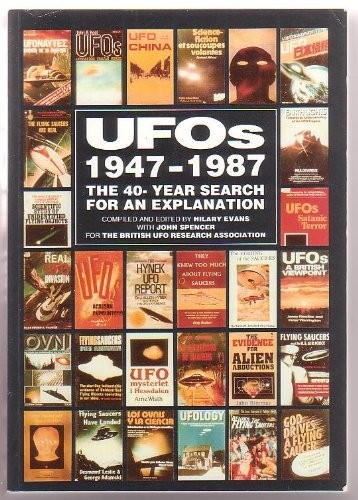
Evans, Spencer and Shough's 1987 BUFORA anthology — Vallée, Keel, Randles and Hind on where forty years of UFO investigation had actually got to.
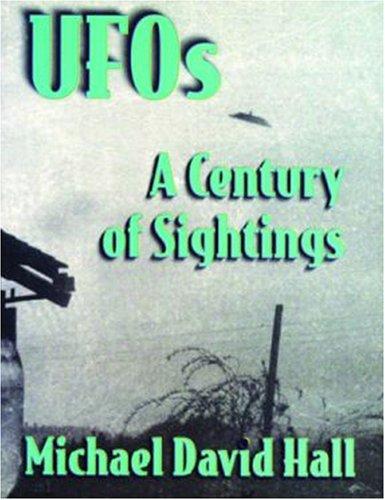
Michael David Hall's chronological history of UFO sightings from the 1890s airships to the 1960s, built on archival primary sources and credentialed-witness reports.
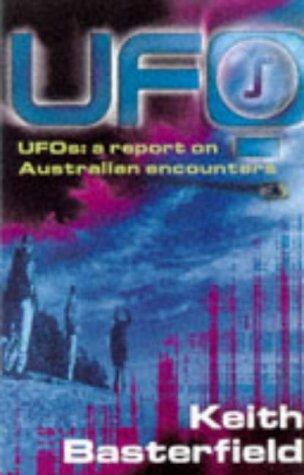
Keith Basterfield's national survey of Australian UFO reports — a 1968–1996 sighting checklist with state maps, from the researcher behind the Project 1947 catalogues.
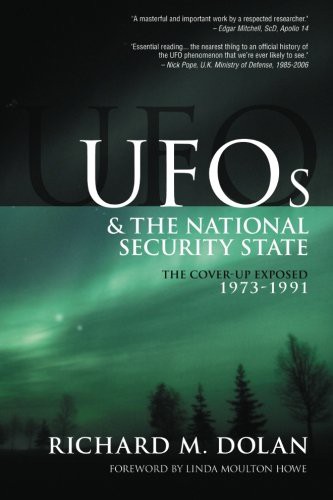
Richard Dolan's 2009 sequel covers Tehran 1976, Rendlesham Forest, the Belgian Wave, Gulf Breeze, MJ-12, and the book that coined "breakaway civilization."
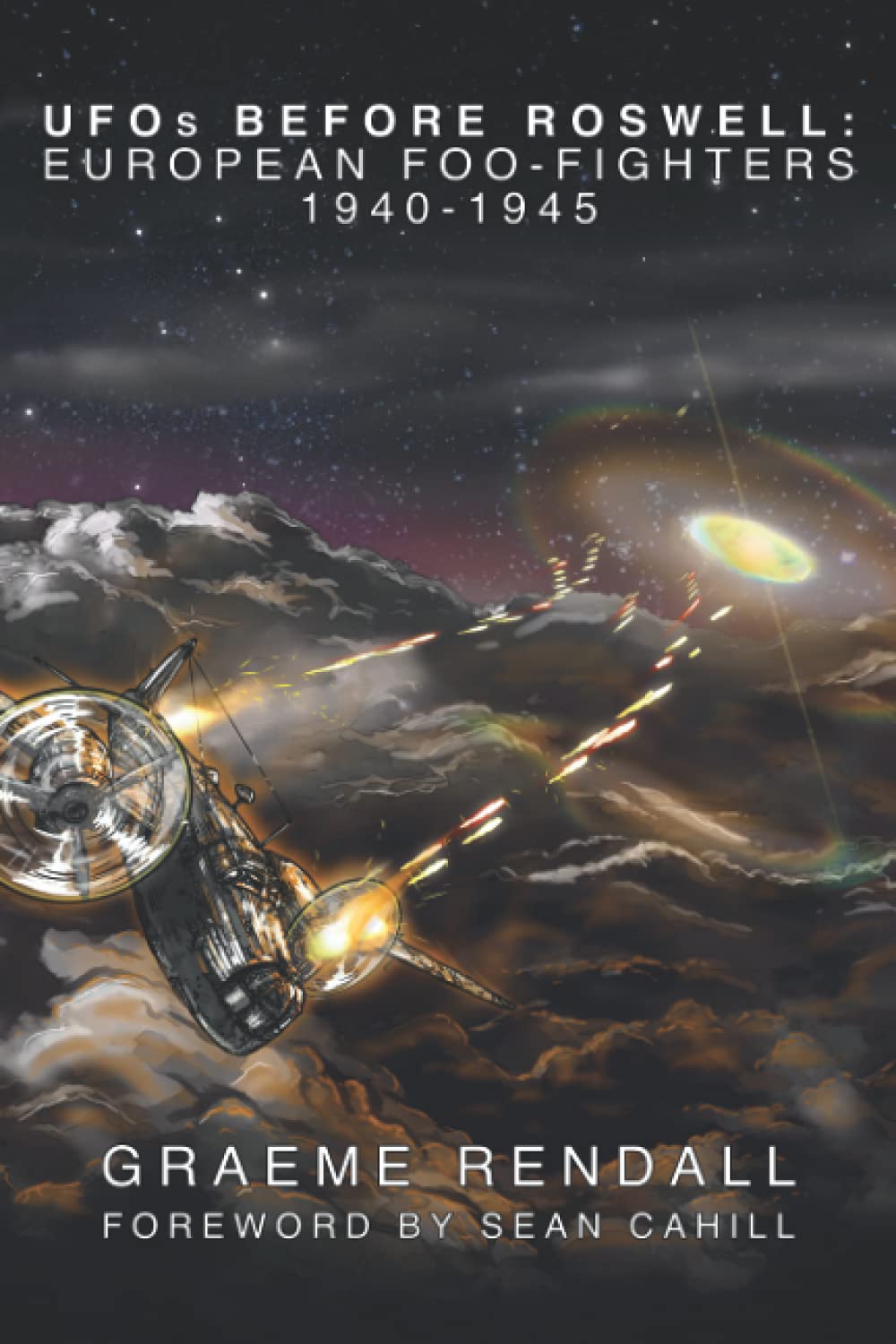
Graeme Rendall's 2022 study traces foo fighters to 1942–43 RAF reports, dismantles the Nazi-secret-weapon theory, and features a foreword by Tic Tac witness Sean Cahill.
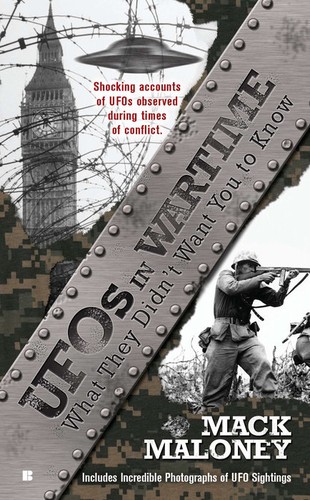
Mack Maloney's 2011 survey of UFO reports tied to armed conflict — foo fighters, the ghost rockets, Korea, Vietnam, the Cold War missile flaps and the Gulf War.
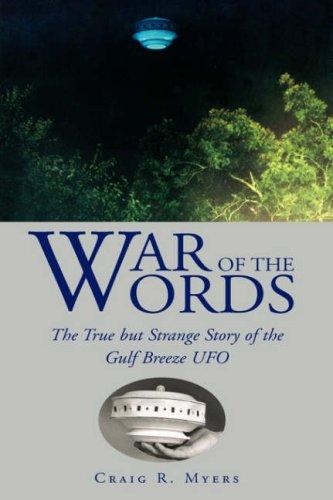
Craig R. Myers covered Gulf Breeze for the Pensacola News Journal and broke the 1990 foam-model story. His 2006 memoir is the case seen from the newsroom.
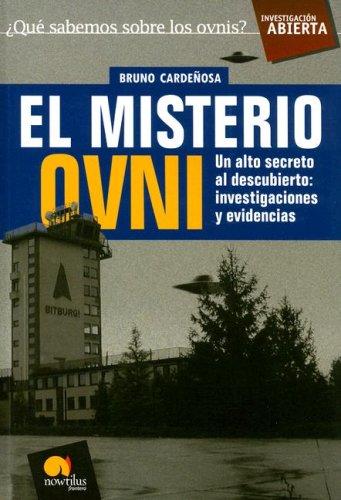
Bruno Cardeñosa's Spanish-language survey of the UFO question — written as journalism for believers and sceptics alike, from a country that declassified its files.

Jacques Vallée's journals for 1980–1989 — the decade of Trans-en-Provence, MJ-12, the Bennewitz operation, and the deliberate poisoning of UFO research.

Brad Steiger's 1966 drugstore paperback covered Exeter, Kecksburg and the Michigan swamp-gas wave within months of them happening. A snapshot, not a study.
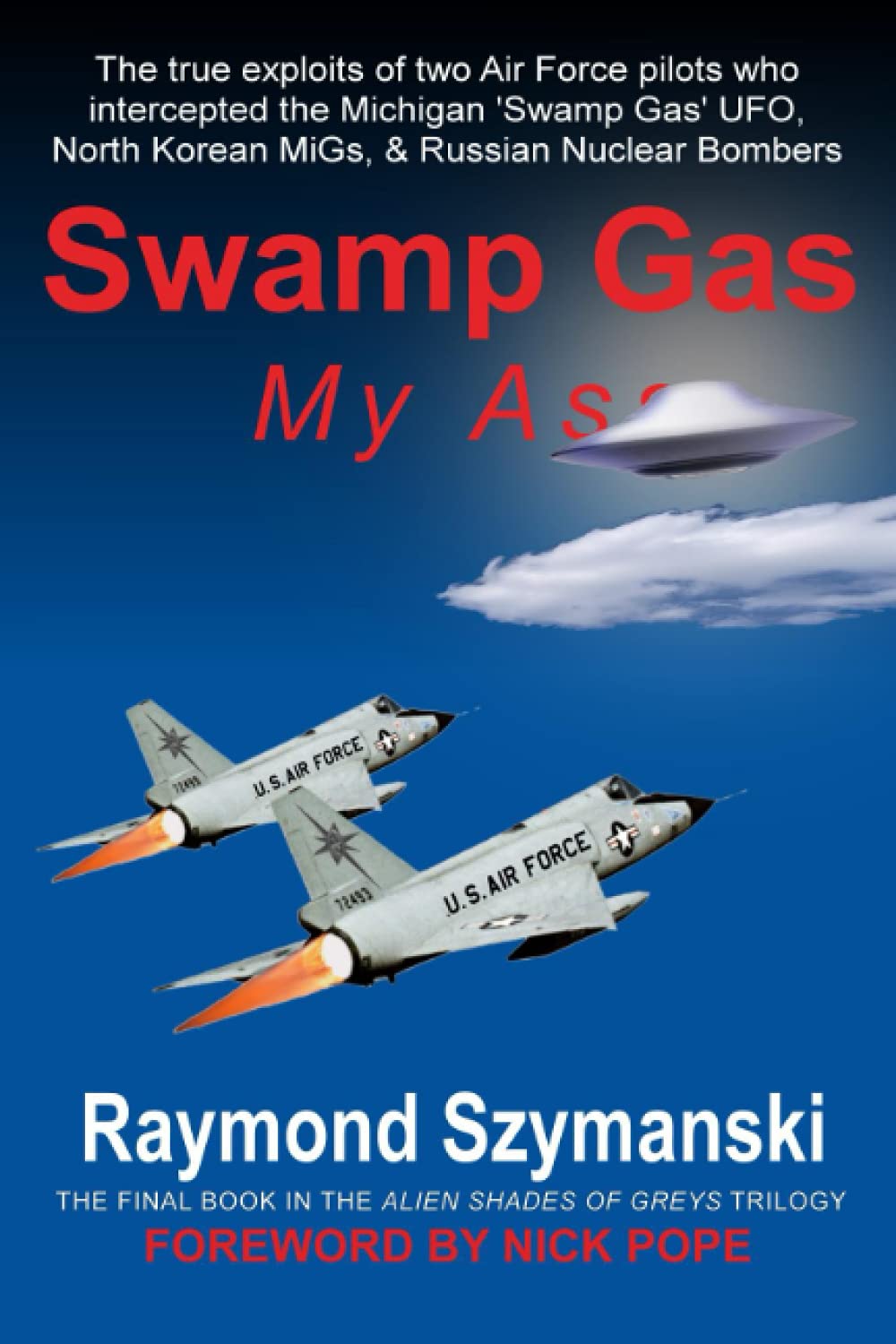
Raymond Szymanski's 2021 book claims two F-106 pilots intercepted the 1966 Michigan 'swamp gas' UFO — a single first-person account, uncorroborated elsewhere.
Steven Greer's 573-page volume of witness testimony, published for the May 2001 National Press Club conference — a primary source to be read as testimony only.
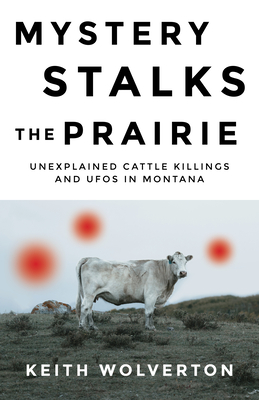
The 1976 book by the Cascade County deputy who ran Montana's five-county mutilation investigation — the first serious book on the phenomenon, and still the reference.

Paris Flammonde's 1971 history of ufology's first 25 years, arguing the saucer age was partly a religious phenomenon filling the space left by the death of God.
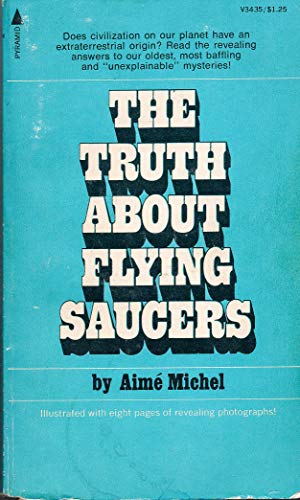
Aimé Michel's 1954 French debut, published in English in 1956 — the first serious European survey of the subject, written months before the great French wave.
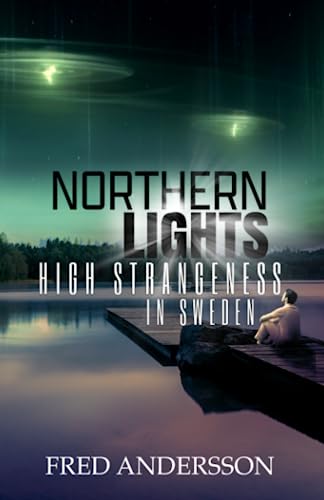
Fred Andersson's 2023 survey of Swedish UFO and high-strangeness cases from 1920 to 2013 — the first book in English devoted entirely to the Swedish record.
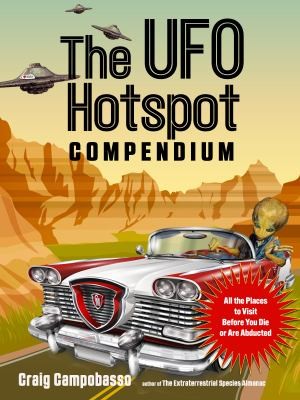
Craig Campobasso's 2022 guide to 35 UFO sites — a genuinely useful travel reference wrapped around case summaries that all need checking somewhere else.
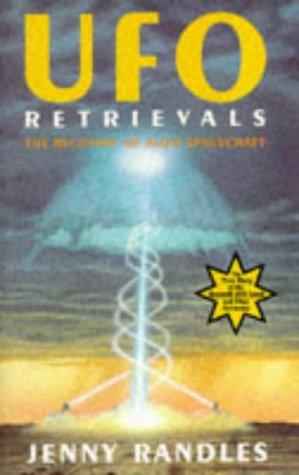
Jenny Randles examines thirty crash-retrieval claims from 1871 onward and finds most are hoaxes or explicable — the sceptical survey the crash literature needed.
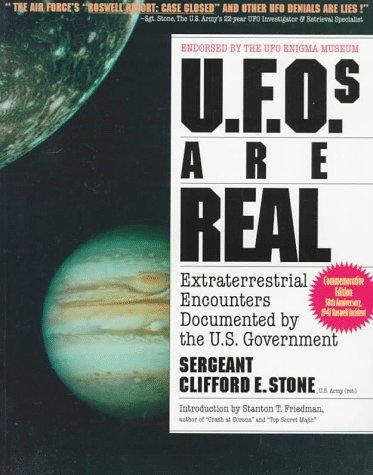
Clifford Stone's 1997 FOIA compilation — genuinely valuable declassified Moon Dust material, wrapped around personal claims that no evidence whatsoever supports.
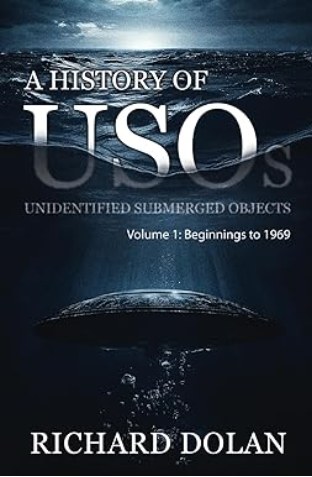
Richard Dolan's 2025 catalogue of 178 underwater-object cases from 1717 to 1969 — the first systematic, standardised treatment the USO literature has had.
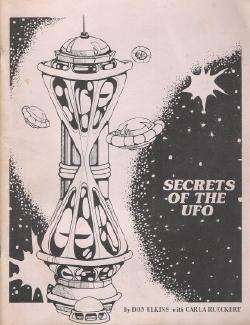
The 1976 book in which a physics professor turned airline pilot traded twenty years of UFO field investigation for channelled communication — and explained why.
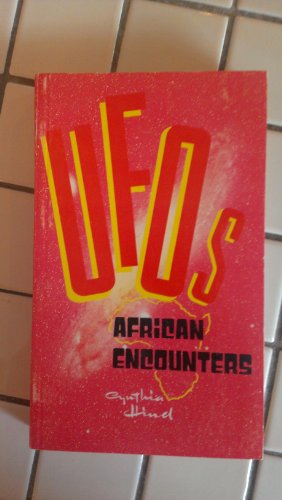
Cynthia Hind's 1982 casebook of southern African close encounters, with witnesses she interviewed herself in around 90 percent of the cases in the book.
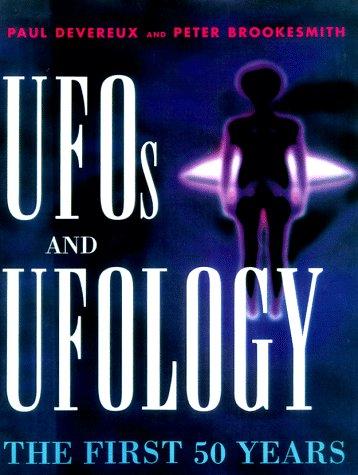
Devereux and Brookesmith's 1997 half-century survey — a heavily illustrated history written from an openly earth-lights and psycho-social position, not a neutral one.
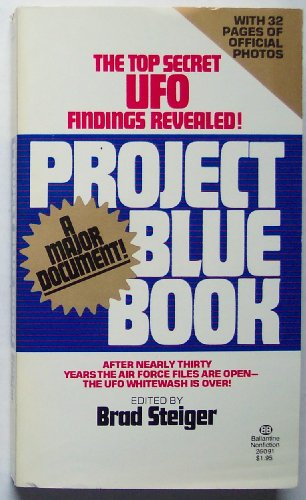
Brad Steiger's 1976 edited compilation from Projects Sign, Grudge, Special Report 14 and Blue Book — the Air Force files reaching a mass paperback audience.
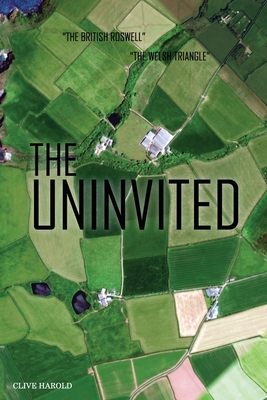
Clive Harold's 1979 book on the Coombs family at Ripperston Farm — the fullest account of the Welsh Triangle's strangest case, and the least checkable.
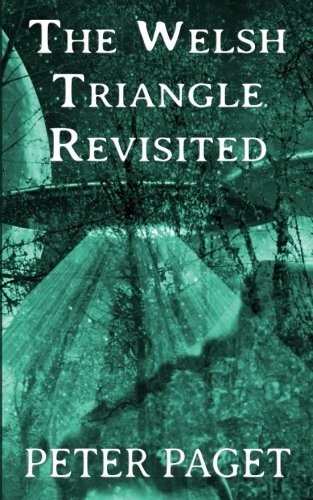
Peter Paget's 2018 self-published return to the 1977 Broad Haven wave, adding claims of intelligence tasking and personal ET contact that the 1979 book did not.
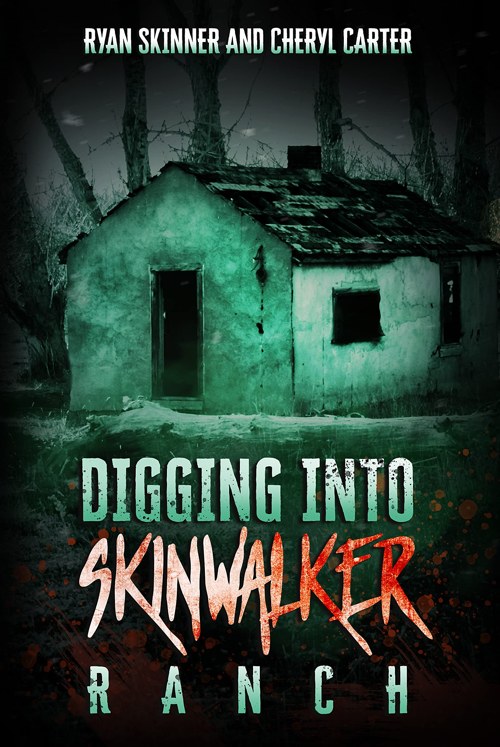
Ryan Skinner's 2021 chronological history of the Skinwalker Ranch property — public records and prior owners, from a researcher shut out of the ranch itself.
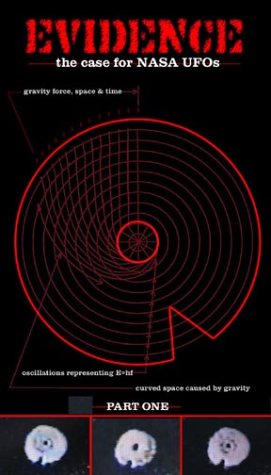
David Sereda's 2002 analysis of NASA shuttle footage — the book behind the STS-75 tether claim, and a case study in optical analysis without optics training.
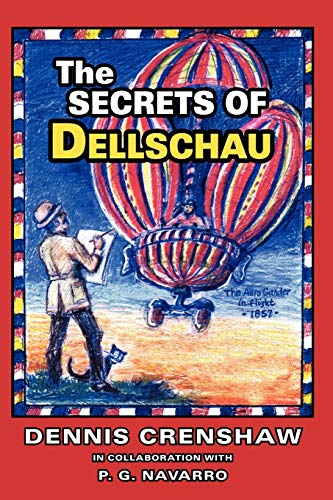
Charles Dellschau's coded airship notebooks, decoded across decades by Pete Navarro — who concluded, reluctantly, that the Sonora Aero Club was imaginary.
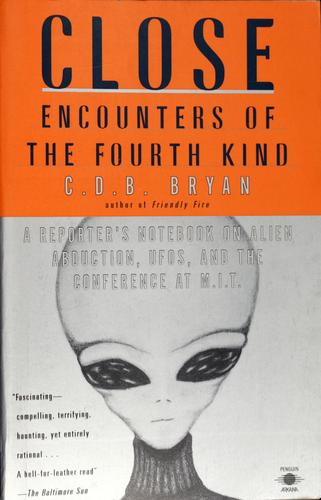
C. D. B. Bryan's account of the five-day 1992 MIT abduction conference — a National Book Award finalist reporting on the field at its most respectable moment.

Avi Loeb's 2023 sequel to Extraterrestrial — the Galileo Project, the Pacific spherule expedition, and an argument about temperament more than evidence.

Jim Schnabel's account of the English crop circle craze, 1978–1992 — reported from inside the research community and, eventually, from inside the hoaxing.
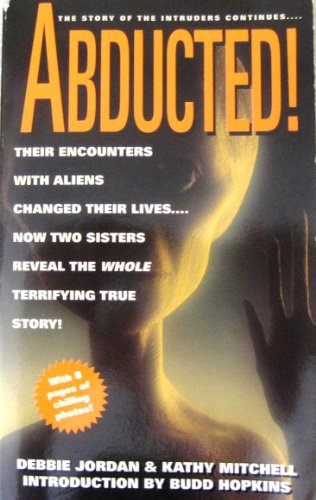
Debbie Jordan and Kathy Mitchell — 'Kathie' and 'Laura Davis' in Budd Hopkins' Intruders — tell their own story under their own names, seven years later.
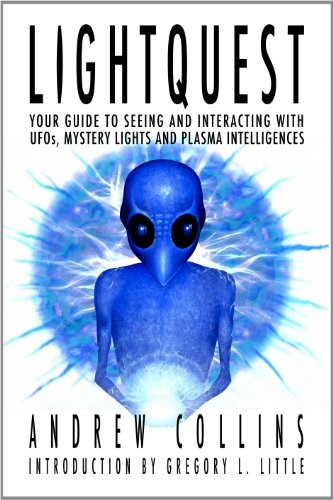
Andrew Collins argues mystery lights are sentient plasma constructs, and supplies a field guide to hotspots plus a visualisation technique for contacting them.
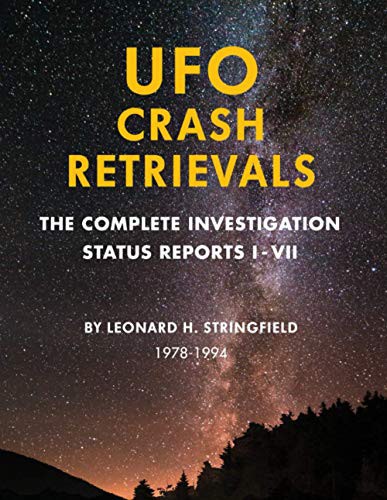
Leonard Stringfield's seven Status Reports, 1978–1994, in one volume — the corpus that built the crashed-saucer literature, almost entirely on anonymous sources.
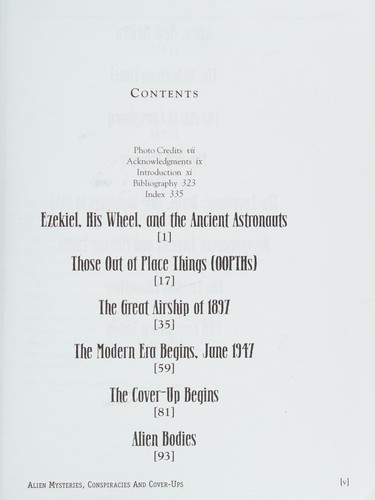
Randle's 2013 reference covers 100+ cases from the Ica stones to the Phoenix Lights — and its most useful feature is which of them he throws out, and why.
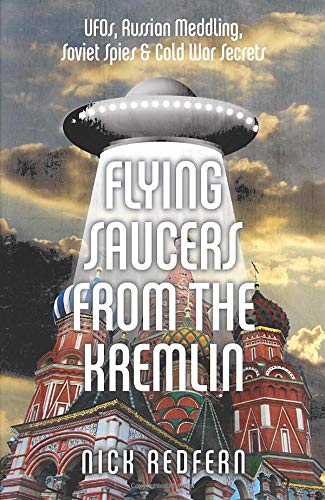
Nick Redfern argues Soviet intelligence used the UFO phenomenon to destabilise the West — recruiting contactees, and connected to the MJ-12 documents.
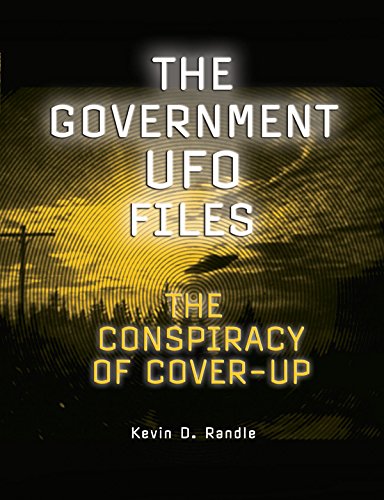
Kevin Randle's 2014 survey of the American official UFO record, written by a retired Army intelligence officer who reads military documents professionally.
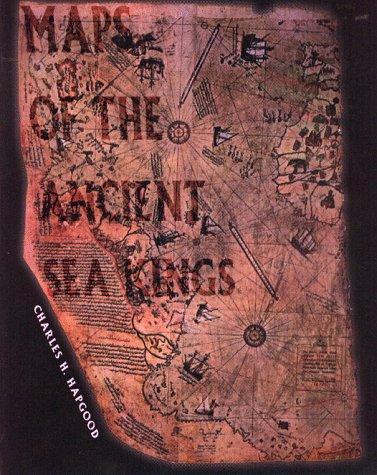
Charles Hapgood's 1966 argument that old portolan charts preserve Ice Age survey data — the origin of the Piri Reis Antarctica claim, and its refutation.
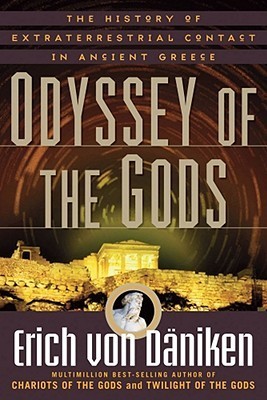
Von Däniken reads Greek myth as extraterrestrial history — Delphi as a refuelling station, the golden fleece as an aircraft part, Troy as Atlantis. A specimen.
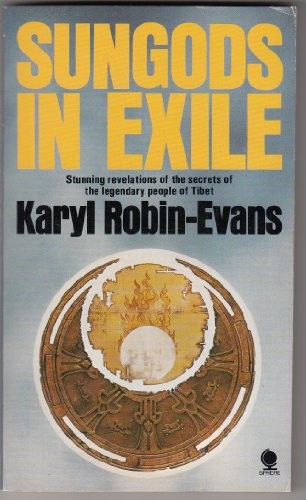
The 1978 book that gave the Dropa stones legend its Western eyewitness — and which its real author, David Gamon, admitted in Fortean Times he had invented.
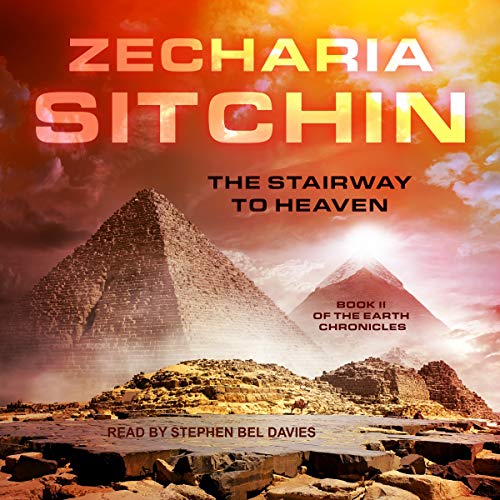
Sitchin's second Earth Chronicles volume puts an Anunnaki spaceport in Sinai and reads Giza as its beacons — on a translation base no Assyriologist accepts.
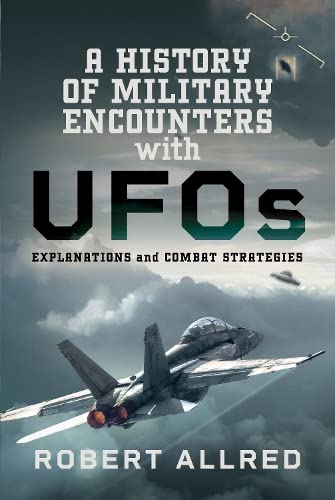
Robert Allred's 2024 survey of a century of military UAP encounters, issued by a mainstream military-history imprint — and the argument it makes at the end.
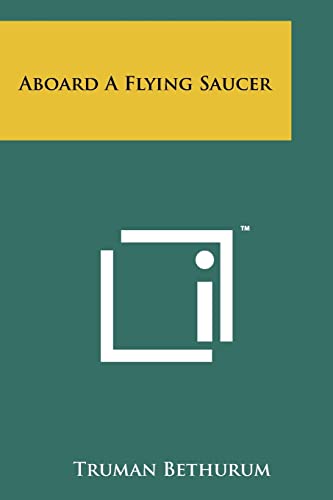
The 1954 contactee bestseller in which a Nevada highway mechanic met Captain Aura Rhanes of the planet Clarion — and the three-stage retreat that sank it.
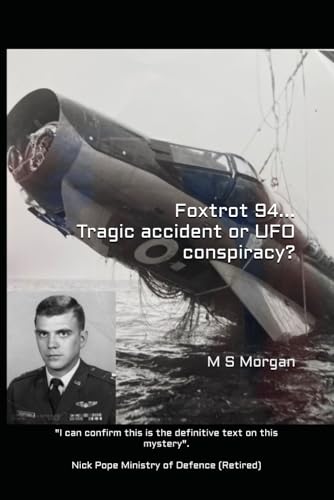
A retired British police investigator reopens the 1970 loss of Lightning XS894 and its USAF exchange pilot — the case a 1992 newspaper turned into a UFO story.
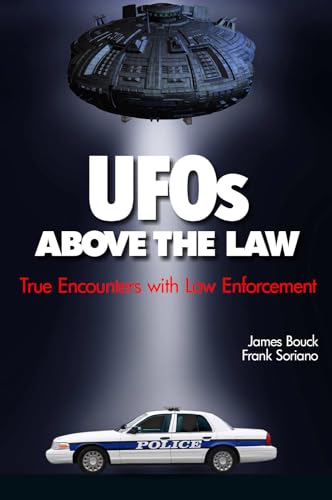
Two former New York officers collect police UFO reports and dispatch transcripts — a useful primary-source volume built on a premise worth examining closely.
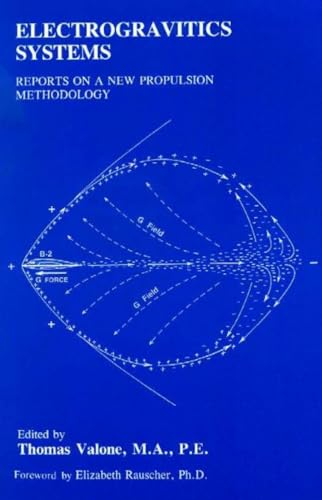
Thomas Valone's reprint of the 1956 Aviation Studies reports on electrogravitics — the primary documents every antigravity book cites, and what physics says.

Richard Dolan's 80-page lecture volume setting out the breakaway civilization hypothesis on its own — the terrestrial alternative to the ETH, and its limits.
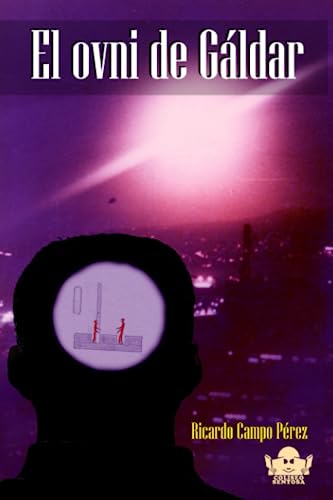
The 22 June 1976 Canary Islands sighting, reconstructed at book length by the philosopher who helped identify it as a US Navy Poseidon missile launch.
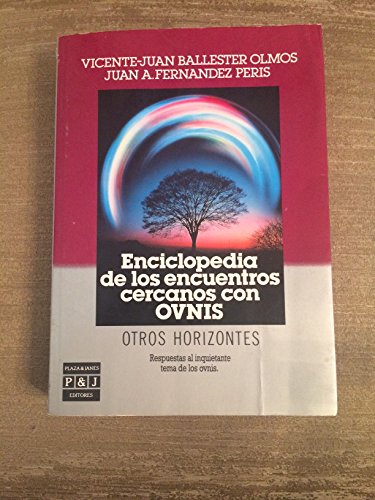
Ballester Olmos and Fernández Peris catalogued nearly 600 Spanish and Portuguese UFO landing reports to 1985 — and printed the solved ones alongside the rest.
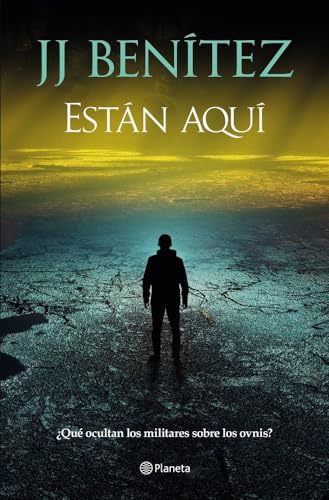
J.J. Benítez's 984-page career compilation: 200+ cases, some 3,000 witnesses, 300–400 military personnel, and a claim about four bodies in formalin.
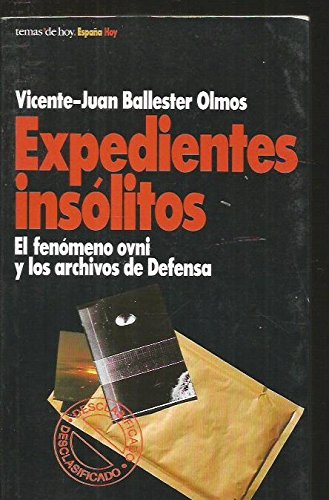
The researcher whose 1991 report opened Spain's military UFO archive wrote this in 1995, mid-release — the insider account of how a state opens its files.
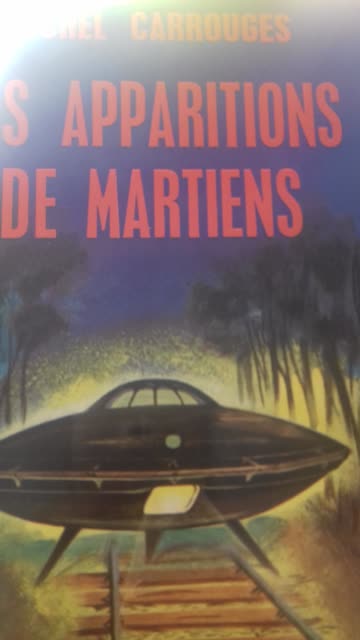
A French surrealism scholar spent 287 pages testing the 1954 wave's humanoid reports for internal consistency — and catalogued the biases on both sides.
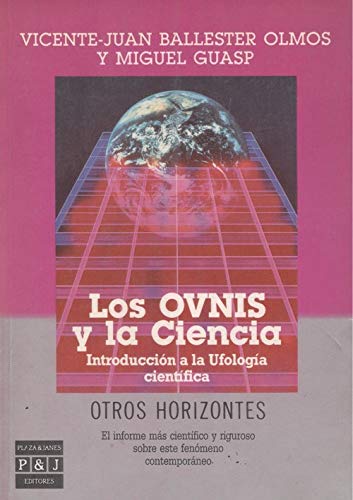
Ballester Olmos and Miguel Guasp gave five full sections to method — sampling, error, statistics, witness reliability — in a field that mostly skipped them.
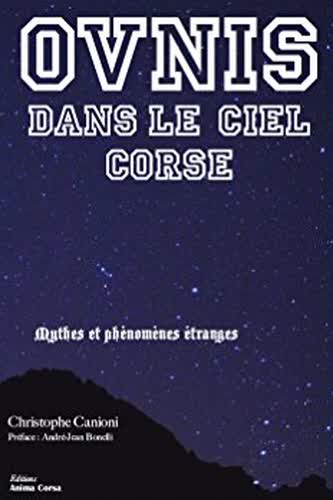
Christophe Canioni gathered Corsican UFO testimony across the island, some of it studied by GEIPAN — including previously unpublished Zonza and Corte accounts.
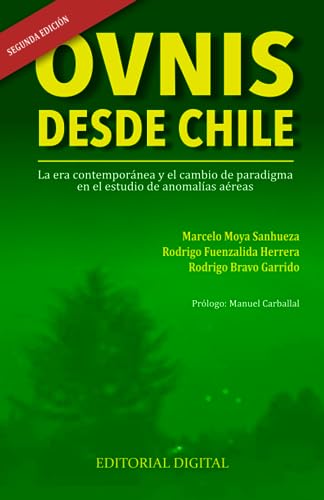
A former Chilean Army pilot who sat on CEFAA, an AION research director and a third investigator work twenty national cases. Spanish-language sourcing.
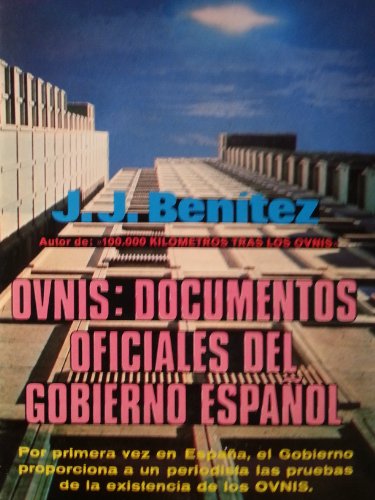
In October 1976 a Spanish Air Force general handed J.J. Benítez twelve UFO files. The book that followed is Europe's first real state UFO disclosure.
William Tompkins' 2015 memoir is the founding document of the Secret Space Program claim. His Navy service is real; the Nordic aliens are another matter.
Méheust's short 1985 Mercure de France essay reads abduction accounts as living folklore — mimicry, cultural adaptation, and motifs that predate the reports.
Michael Salla's 2017 book turns William Tompkins' memoir into an institutional history of a covert Navy space fleet. What it adds, and what it cannot.

Carl Feindt spent his retirement cataloguing every UFO report that touched water. The result is the most complete USO case catalogue in the literature.
Cited once on this site — full breakdown not yet written.
Cited once on this site — full breakdown not yet written.
Cited once on this site — full breakdown not yet written.
A five-decade institutional history of how Canadian federal agencies have received and investigated UFO reports, from the researcher those agencies themselves have long consulted.
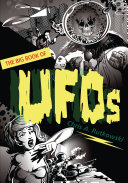
Rutkowski's general-reader primer on the whole phenomenon, distinguished from his five other books already on this site.
Cited once on this site — full breakdown not yet written.
Cited once on this site — full breakdown not yet written.
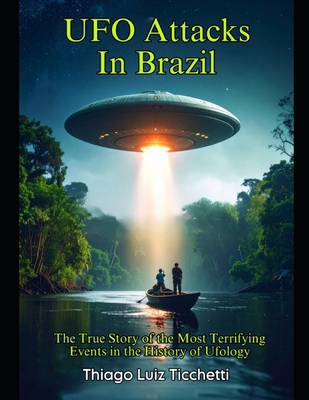
A brand-new account of the 1977 Colares wave, weighed here against documented skeptical counter-evidence including admitted photo tampering and faked document stamps.
Cited once on this site — full breakdown not yet written.
Cited once on this site — full breakdown not yet written.

Vallée's own 1990s journals -- NIDS board access, the Rockefeller Initiative's closed sessions -- read as comparative context for the COMETA report's era.
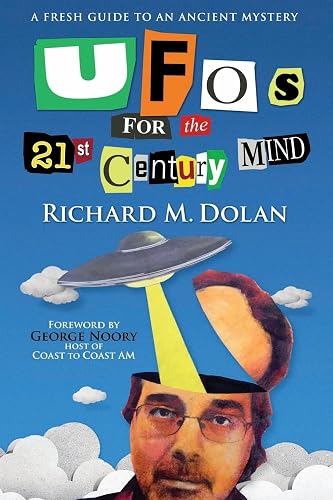
A broad single-volume primer developing the Breakaway Civilization hypothesis -- research confirmed it doesn't discuss COMETA by name, correcting this site's prior citation.
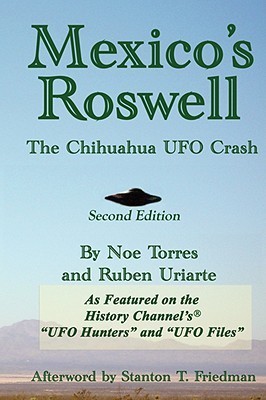
An investigation of the 1974 Coyame crash claim, one of the thinnest-evidenced crash-retrieval stories on record — traced to a single anonymous 1992 letter.
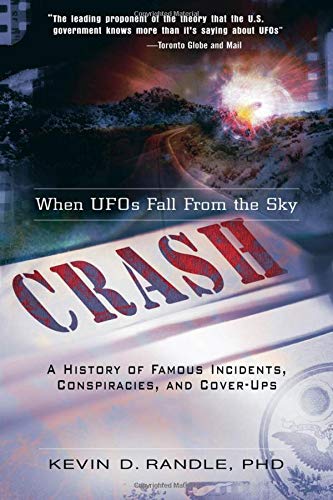
A credentialed skeptic's chronological survey of crash-retrieval claims — whose actual coverage of two cases it's cited for turned out thinner than assumed.
Cited once on this site — full breakdown not yet written.
The CUFOS field investigation behind the Coyne Helicopter Incident, built from 18+ hours of crew interviews and independent ground-witness corroboration.
Cited once on this site — full breakdown not yet written.
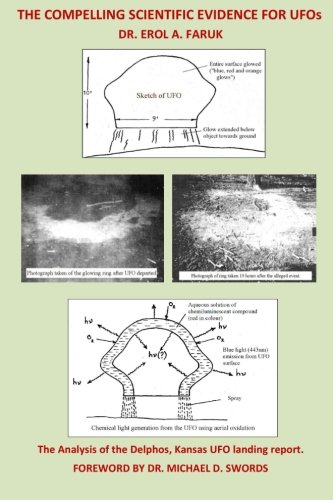
A chemist's own account of his Delphos ring soil analysis and its rejection by Nature, the British Interplanetary Society, and SETI's Seth Shostak.
Cited once on this site — full breakdown not yet written.
Cited once on this site — full breakdown not yet written.
Cited once on this site — full breakdown not yet written.
Cited once on this site — full breakdown not yet written.
Cited once on this site — full breakdown not yet written.
The first English-language Eastern Bloc UFO survey — and the traced origin point of a fifty-year humanoid legend that never had a named witness.
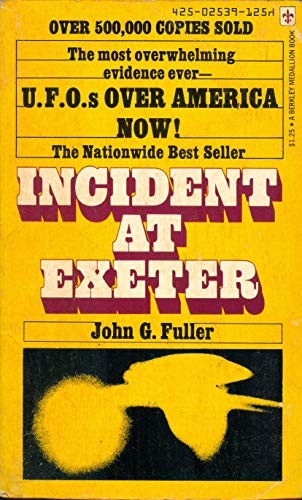
A skeptical journalist's bestselling account of the 1965 Exeter sightings, built from sixty witness interviews and credited with helping trigger Congress's first UFO hearing.
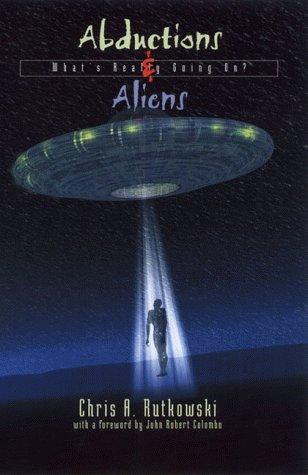
Canada's foremost UFO researcher surveys a quarter-century of his own abduction case files -- a general study, not a dedicated Falcon Lake account.
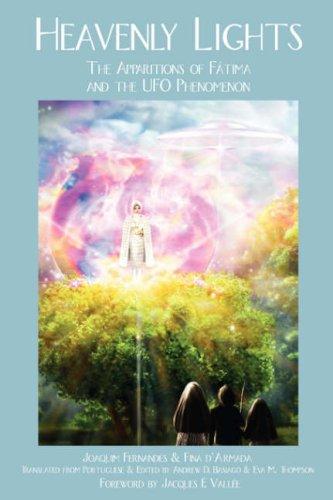
The founding volume of the Fatima Trilogy: an argument that the 1917 apparitions are better read as a close encounter than a purely devotional vision, foreword by Jacques Vallée.
Cited once on this site — full breakdown not yet written.
Cited once on this site — full breakdown not yet written.
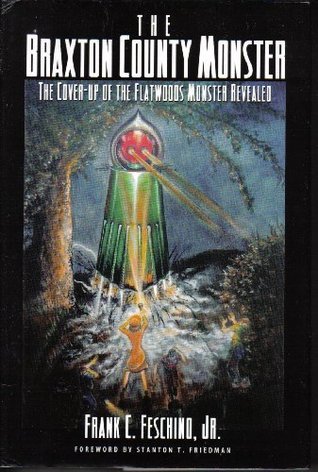
A two-decade investigation arguing the 1952 Flatwoods Monster sighting was one node in a nationwide UFO wave and military intercept effort, foreword by Stanton T. Friedman.

A short, accessible local retelling of the 1952 case — useful alongside Feschino's far more comprehensive investigation.
John Vasquez's 2000 account of a claimed September 1977 mass abduction at Fort Benning — the sole source every later retelling traces back to.
Cited once on this site — full breakdown not yet written.
Cited once on this site — full breakdown not yet written.
The German physicist and MUFON-CES founder brings Central Europe's best-documented UFO cases, including Greifswald, to English-language readers for the first time.
The claimants' own account, published three months before the attic model discovery that this site's case file treats as decisive.
Ed and Frances Walters' 1994 follow-up turned the Gulf Breeze photographs into a lifelong abduction narrative — four years after the foam model was found.
Cited once on this site — full breakdown not yet written.
The hypnotist behind the Schirmer and Larson cases lays out his own reincarnation-and-soul-evolution research philosophy.
A Norwegian writer rents a cabin in the Hessdalen valley for a year to investigate its decades-long unexplained light phenomenon firsthand.
Cited once on this site — full breakdown not yet written.
Cited once on this site — full breakdown not yet written.
Cited once on this site — full breakdown not yet written.
Imbrogno's speculative post-Night Siege turn — read with the scrutiny his 2011 credential-fabrication exposure demands.
A disputed 1967 contact narrative first marketed as fiction by its own publisher -- honestly weighed alongside co-editor Wendelle Stevens's separately documented credibility problems.
The illustrated 20-case anthology that first carried the Ilkley Moor Incident to international readers, honestly assessed here as a modest, general-audience volume.
Directly confirmed via search-inside-the-book verification as the source of the Ilkley Moor case's Ministry of Defence visit story, with a name-spelling correction made here.
A chronological MIB survey and eight-theory taxonomy, confirmed here to discuss the Ilkley Moor case directly -- correcting this site's prior "background only" citation.
Cited once on this site — full breakdown not yet written.

The FAA's own scanned original documents on the 1986 Alaska UFO intercept -- radar reports and interview transcripts, presented as primary source rather than narrative.
NICAP veteran Richard Hall's mid-career general-audience survey of sightings, alien encounters, and alleged coverups.
Cited once on this site — full breakdown not yet written.
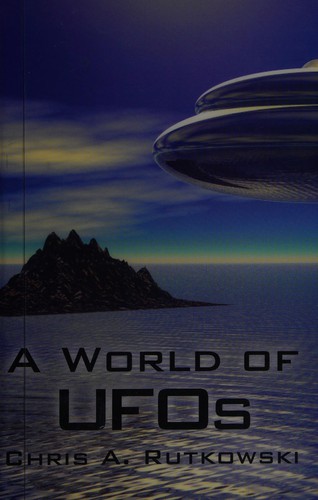
Rutkowski's broadest, most internationally scoped survey of global UFO reporting patterns and recurring themes.
Cited once on this site — full breakdown not yet written.
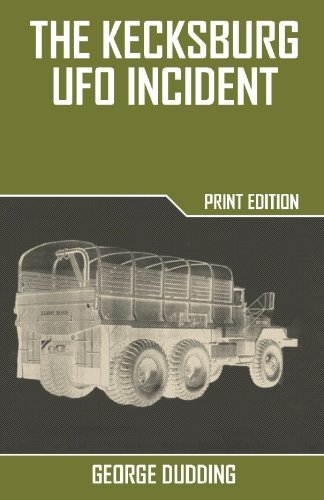
A short overview of the 1965 "Pennsylvania's Roswell" crash claim, best read alongside Stan Gordon's far more extensive primary research.
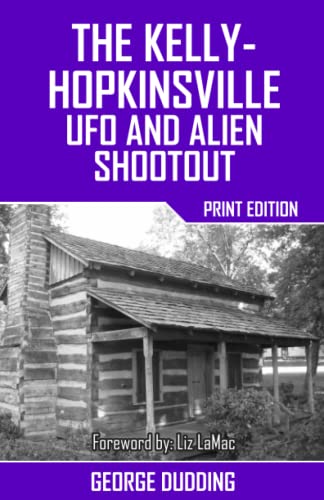
A short, secondary reconstruction of the 1955 farmhouse siege, honestly weighed against the Sutton family's own memoir, already covered on this site.

A family memoir of the 1955 Kelly-Hopkinsville siege, written by the daughter of witness Elmer "Lucky" Sutton and granddaughter of matriarch Glennie Lankford.
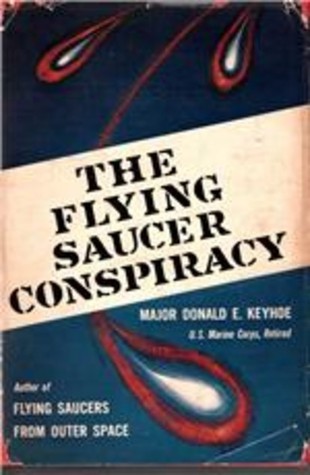
The era's most influential ufologist builds his case for a government "silence group," discussing the vanished Kinross F-89 among dozens of cases.
A leading Roswell investigator's own forensic case against the Majestic 12 documents, arguing from within ufology's own ranks that they are confirmed forgeries.
Cited once on this site — full breakdown not yet written.
Cited once on this site — full breakdown not yet written.
Cited once on this site — full breakdown not yet written.
The field's most-cited statistical catalogue of 441 vehicle-interference cases, using Levelland as its cornerstone example.
A forty-year documentary compendium on the 1979 Livingston case, by the Scottish investigator who reached the scene within days and knew witness Bob Taylor personally for decades.
The Livingston case's chief skeptical investigator applies mirage-and-perception analysis to UFO reports worldwide, including his own signature Venus-mirage theories.
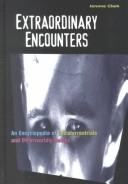
An entity-organized encyclopedia of UFO occupants, angels, fairies, and channeled beings from one of ufology's most careful reference-work authors.
Salas's later disclosure-advocacy book, confirmed here to extend well beyond Faded Giant into nuclear history, other cases, and his own separate abduction account.
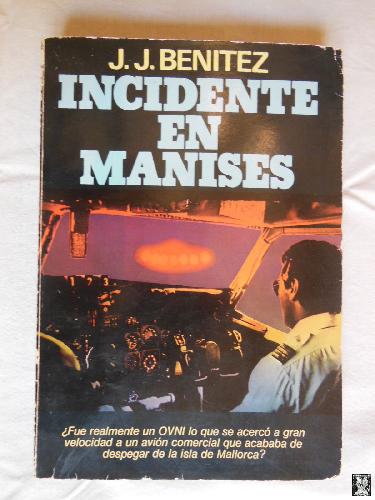
The first book-length account of the 1979 Manises UFO intercept, written from direct crew interviews fourteen years before the case file's declassification.
An Apollo-era aerospace engineer's eight-year instrumented study of the Marfa Lights, the founding book of his three-volume research trilogy.
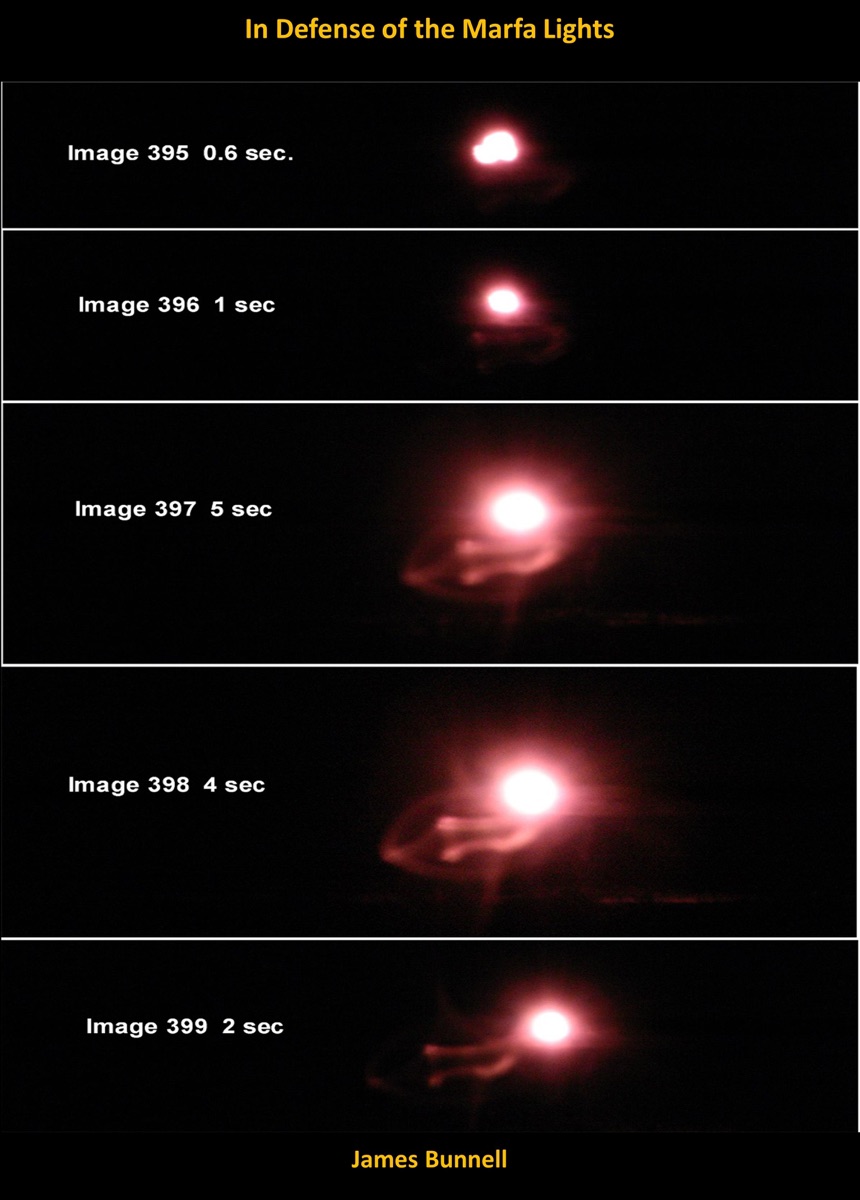
Bunnell's rebuttal to a 2020 FOTOCAT photographic re-analysis by Manuel Borraz and Vicente-Juan Ballester Olmos -- a real, documented dispute between two credentialed researchers.
Kirkus called it "a required field manual for chasers of illuminated orbs" -- maps, viewing tips, and Bunnell's own geological hypothesis for the Marfa Lights.
Cited once on this site — full breakdown not yet written.
A survey of declassified FBI and Air Force UFO documentation from 1947-1954, by the physicist whose own analysis of the McMinnville photographs this site's case file relies on.
Cited once on this site — full breakdown not yet written.
Cited once on this site — full breakdown not yet written.
CRIFO founder Stringfield's own survey of his semi-official Air Defense Command reporting post -- the primary source behind the Norwood Searchlight Incident.
Cited once on this site — full breakdown not yet written.
Cited once on this site — full breakdown not yet written.
Cited once on this site — full breakdown not yet written.
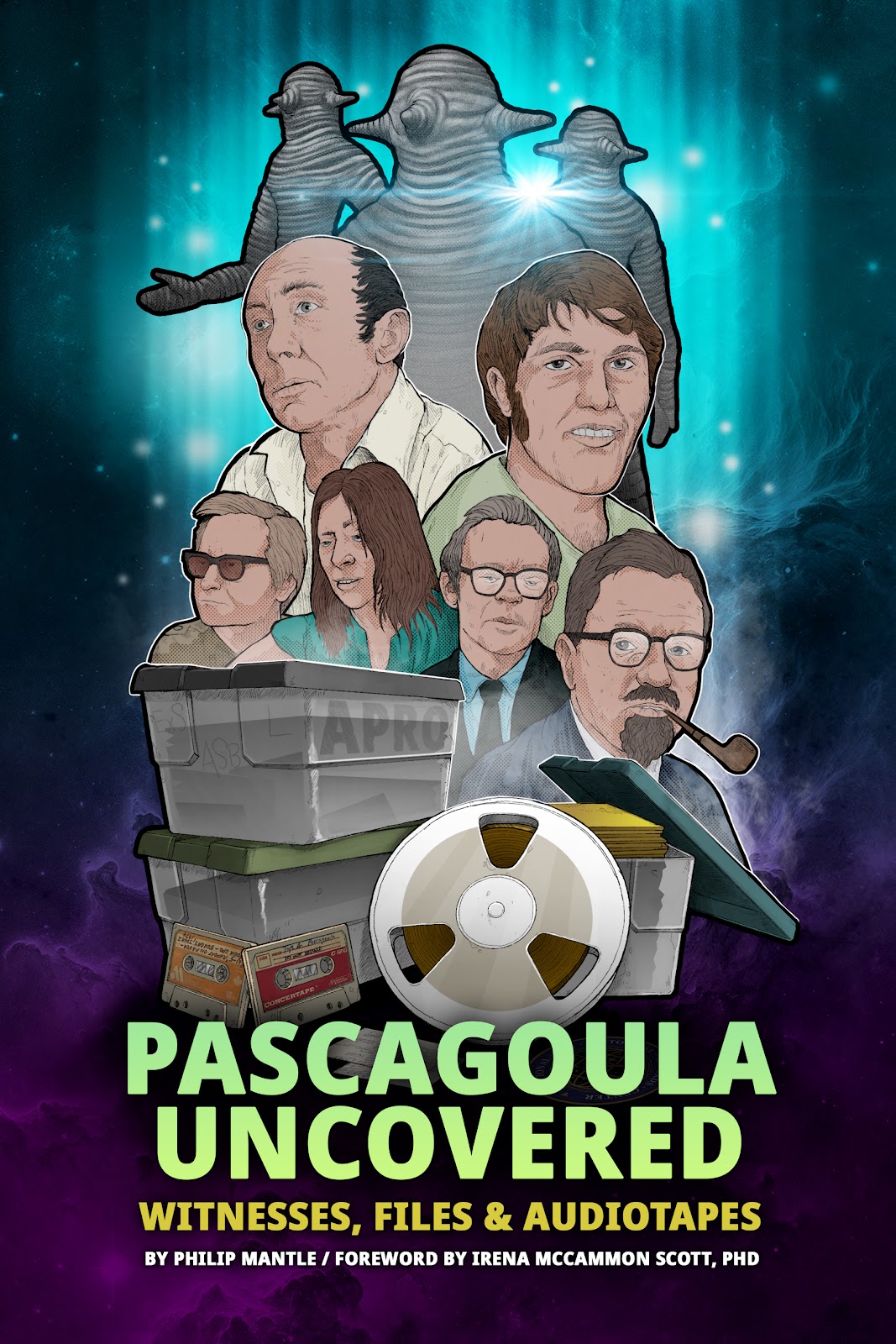
An archival researcher's investigation of the 1973 Pascagoula abduction, distinct from Hickson's and Parker's own firsthand accounts already covered on this site.
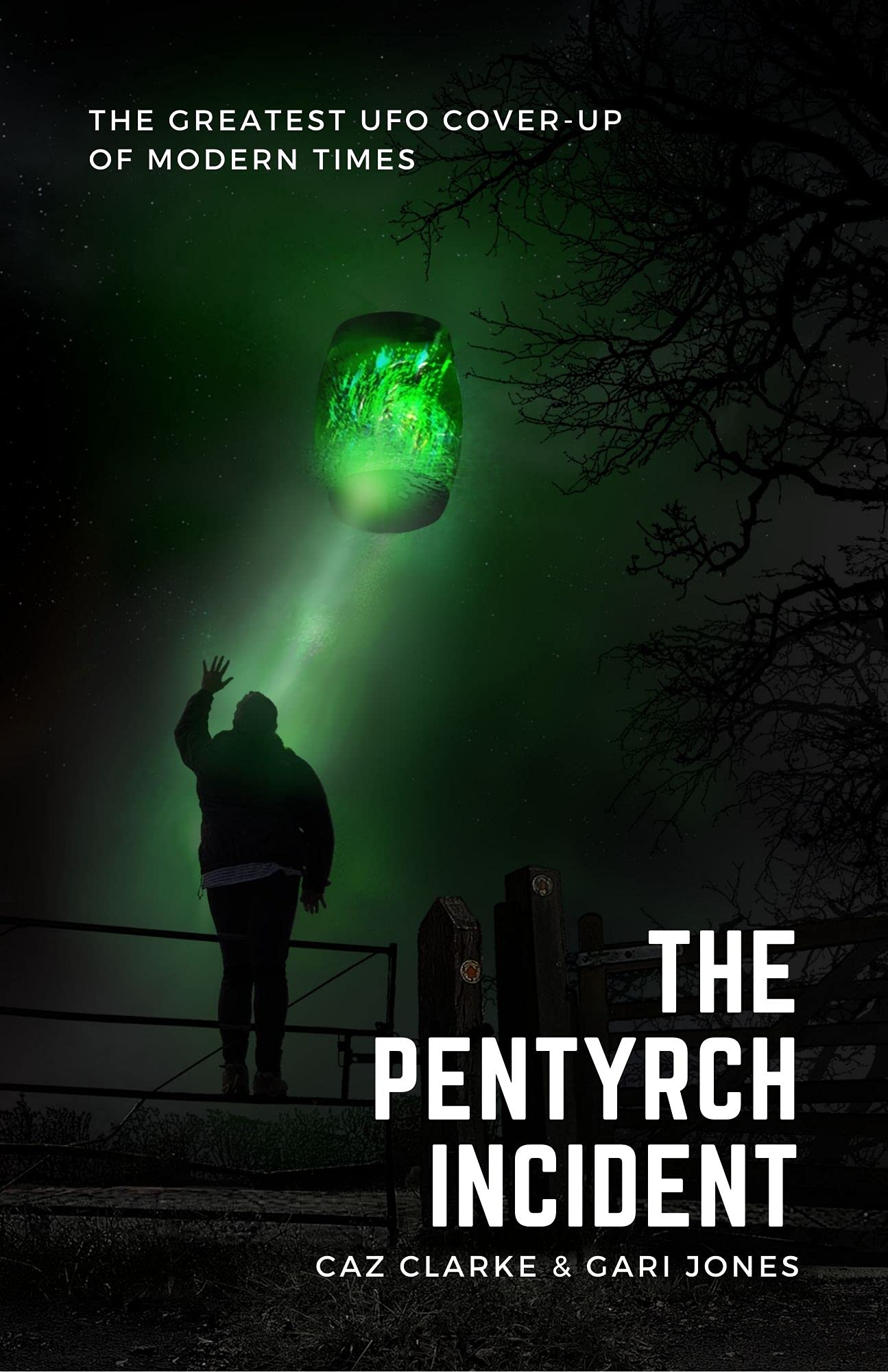
The witness and investigator behind the 2016 Pentyrch, Wales close encounter recount years of FOI requests that surfaced a real Special Forces exercise over the same fields and hour.
A seventeen-volume chronological catalog of humanoid encounters spanning 1 AD-2015, covered here as a single reference series -- this is the 1950-1954 volume.
Cited once on this site — full breakdown not yet written.
Cited once on this site — full breakdown not yet written.
The Soviet space secrecy history behind the NASA analyst who identified a hidden rocket launch as the likely cause of the Petrozavodsk Phenomenon.
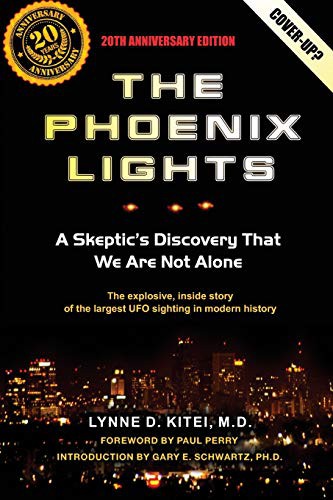
A physician's firsthand account of the 1997 mass sighting, from the witness whose pre-1997 photographs and two-event distinction shaped the case's evidentiary record.
Cited once on this site — full breakdown not yet written.
Cited once on this site — full breakdown not yet written.
Cited once on this site — full breakdown not yet written.
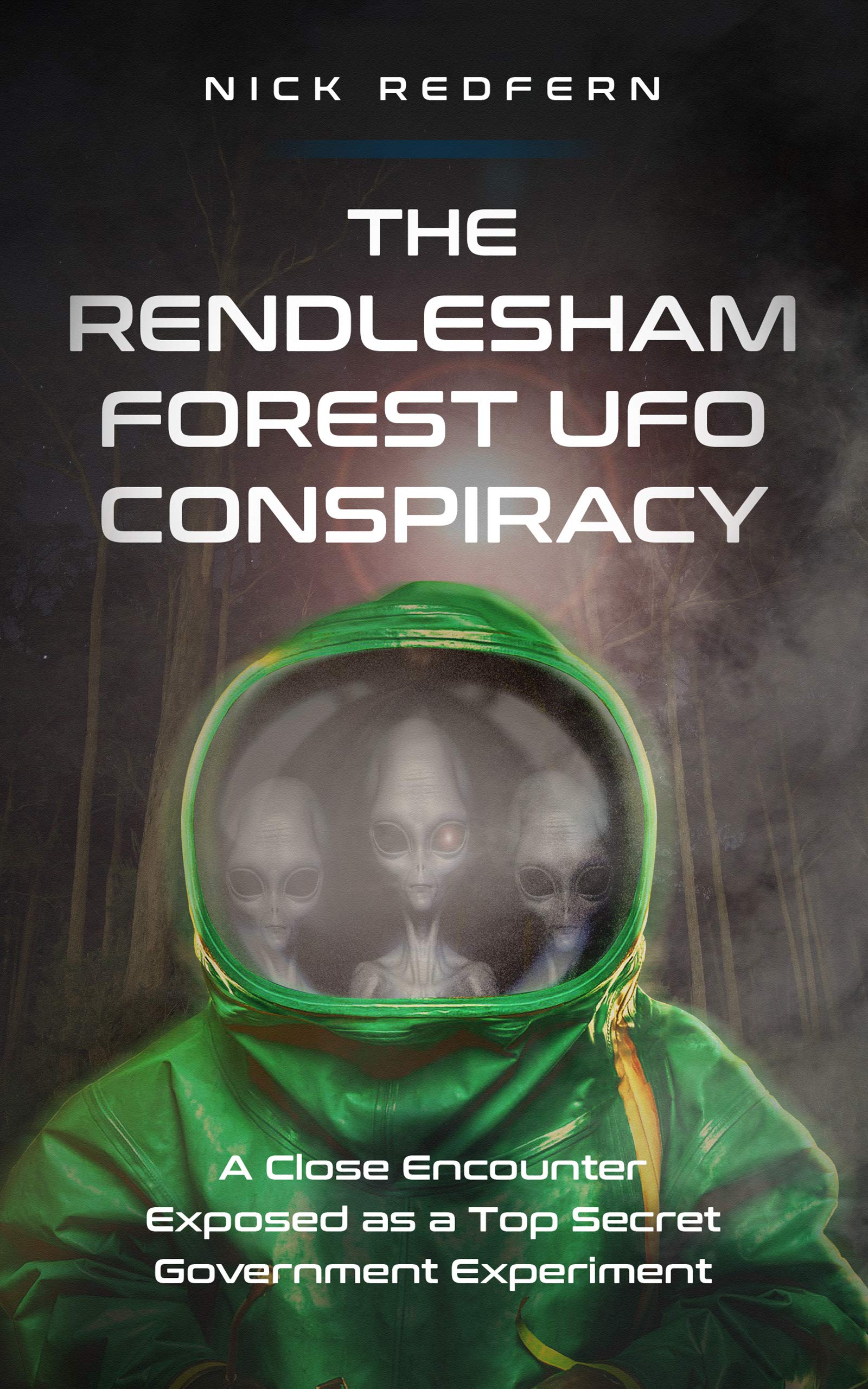
A contested government-experiment thesis on Rendlesham, plus the first published identification of Project Condign's author.
Project Magnet founder Wilbert Smith's posthumous contactee writings, read strictly as a primary-source artifact of his post-1954 esoteric turn -- not as evidence.
Cited once on this site — full breakdown not yet written.
Cited once on this site — full breakdown not yet written.
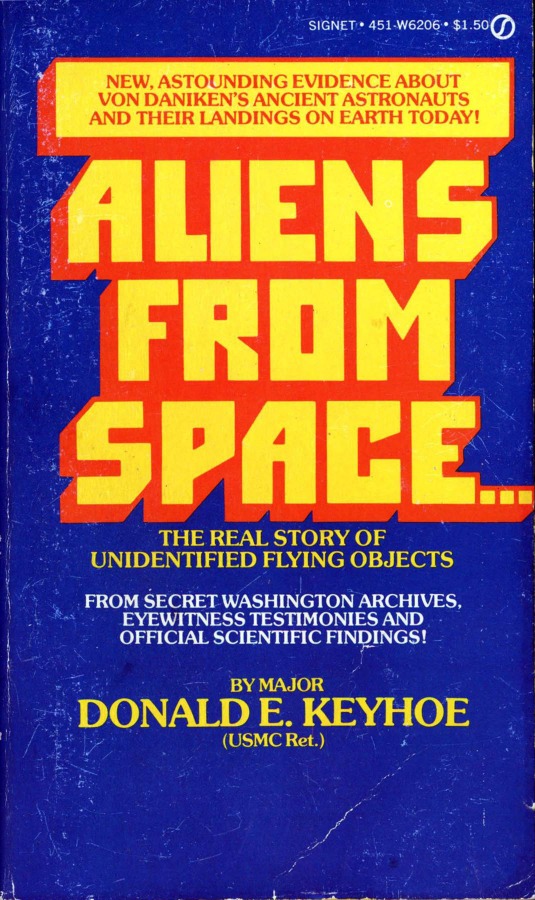
Keyhoe's final, most confrontational book, naming the CIA directly and giving Kinross and Redmond their fullest early published accounts.
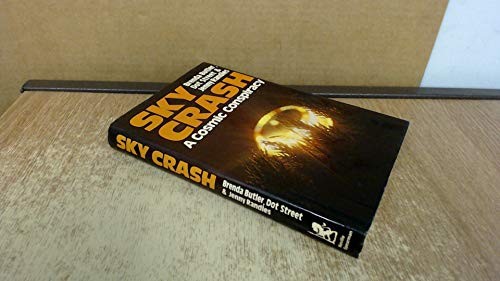
The first book on the Rendlesham Forest incident, written four years after the events -- and later partly retracted by its own co-author, Jenny Randles.
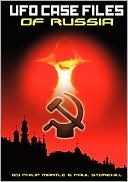
Three centuries of Russian UFO cases drawing on KGB-sourced material, from Tunguska to Petrozavodsk.
Cited once on this site — full breakdown not yet written.
Cited once on this site — full breakdown not yet written.
Cited once on this site — full breakdown not yet written.
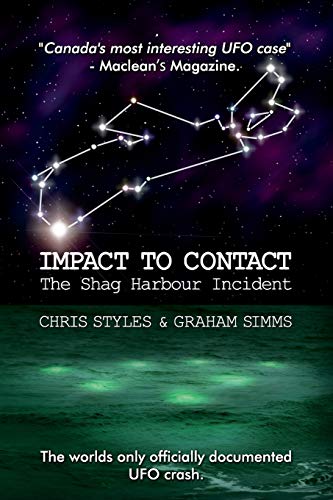
Twenty more years of research beyond Dark Object, on the case Maclean's called "Canada's most interesting UFO case" — the world's only officially documented UFO crash.
A peer-reviewed history of the British "knock-out blow" bomber anxiety that primed the public to fear phantom airships and aeroplanes alike.
Cited once on this site — full breakdown not yet written.
A broad 1976 historical survey of the UFO phenomenon touching on Socorro -- corrected here from the site's earlier mistitling with an added "s."
A skeptical social history of British ufology's founding organizations and figures, by two of the field's most credentialed researchers.
Cited once on this site — full breakdown not yet written.
Cited once on this site — full breakdown not yet written.
CSICOP co-founder Philip Klass's foundational skeptical critique of hypnotic-regression abduction investigation, cited across four case files on this site.
Cited once on this site — full breakdown not yet written.
Cited once on this site — full breakdown not yet written.
Cited once on this site — full breakdown not yet written.
The fullest existing biography of T. Townsend Brown, by a biographer willing to title one chapter "He Made Things Up."
A survey of media-amplified panics and hoaxes across four centuries, framing both the 1909 airship wave and Taize's mass-suggestion angle.
A three-part survey of real declassified US, UK, and Soviet files on UFOs, psychic espionage, and cryptids -- confirmed here not to cover the 1968 Himalayan case it was cited alongside.
Ireland's only book-length UFO survey -- read alongside a credentialed reviewer's documented critique of its pilot-witness methodology.
Cited once on this site — full breakdown not yet written.
A historical survey of the Men in Black myth from Albert Bender's 1953 origin case, weighing a paranormal explanation against a covert-disinformation one.
Cited once on this site — full breakdown not yet written.
Cited once on this site — full breakdown not yet written.
APRO's founding couple survey global humanoid reports, drawing on their own organization's field investigations of three cases this site documents in depth.
Cited once on this site — full breakdown not yet written.
The opening volume of O'Brien's San Luis Valley trilogy — nightly lights, black helicopters, and mutilations in the region Snippy the Horse made famous.
A broad mystery-missile survey from WWII onward — whose treatment of the 1946 Swedish wave itself turns out thinner than its title suggests.
Physicist Bruce Maccabee's late-career synthesis of the Washington D.C. flap and the Robertson Panel's debunking legacy.
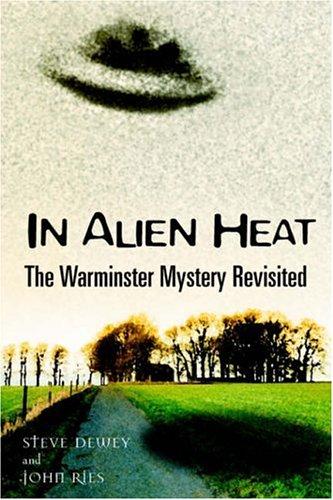
A sociological reassessment of the Warminster Thing by two Warminster-raised authors, arguing the flap is best explained as folklore formation, not genuine anomaly.
The true fiftieth-anniversary Warminster Thing retrospective — correcting a mis-dated case-file citation in the process.
Cited once on this site — full breakdown not yet written.
Cited once on this site — full breakdown not yet written.
Cited once on this site — full breakdown not yet written.
Cited once on this site — full breakdown not yet written.
Cited once on this site — full breakdown not yet written.
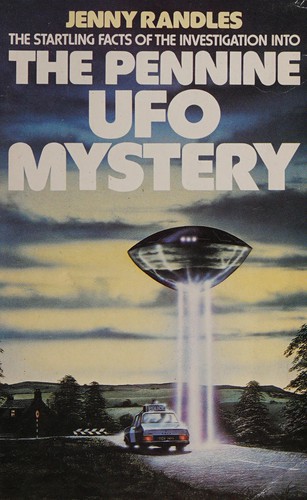
The earliest full investigation of the Todmorden police encounter, written from direct interviews with Alan Godfrey within months of his sighting.
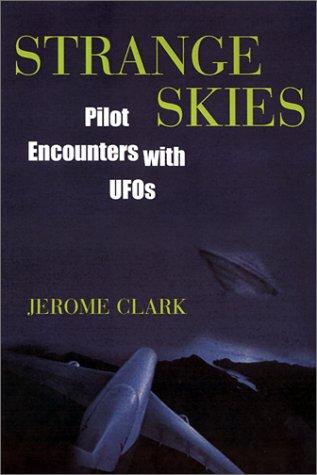
A casebook of roughly fifty pilot-witnessed encounters, arguing trained aviators deserve particular evidentiary weight -- Clark's sixth book on this site.
Cited once on this site — full breakdown not yet written.
Cited once on this site — full breakdown not yet written.
Cited once on this site — full breakdown not yet written.
Cited once on this site — full breakdown not yet written.
APRO's own co-founders survey the phenomenon -- from the organization whose Brazilian representative first received the Ubatuba magnesium fragments.
Cited once on this site — full breakdown not yet written.
Cited once on this site — full breakdown not yet written.
A newspaper-sourced chronicle of California's mystery airship wave, taking a Fortean, media-competition angle rather than a ufological one.
Cited once on this site — full breakdown not yet written.
Cited once on this site — full breakdown not yet written.
Two credentialed nuclear-site researchers disclose their own separate personal alien-encounter histories -- not, as once miscited here, a Big Sur documentary.
The first English-language field investigation of the 1996 Varginha case, built from the author's own 2002 trip and interviews with Brazilian witnesses and researchers.
The English second edition of the original 1996 investigation whose naming of military personnel is cited directly in the case's own archival Military Police Inquiry.
Cited once on this site — full breakdown not yet written.

A broad survey of over 100 aircraft-UFO encounters, its publication year established here for the first time on this site.
Cited once on this site — full breakdown not yet written.
Cited once on this site — full breakdown not yet written.
Thirty re-examined Australasian UFO cases, endorsed by established researchers Bill Chalker and Keith Basterfield.

The case's principal chronicler's decades-spanning account of Pier Fortunato Zanfretta's 1978 Torriglia close encounters, from its 1984 first edition through the 2014 English translation.
Cited once on this site — full breakdown not yet written.
Cited once on this site — full breakdown not yet written.
Cited once on this site — full breakdown not yet written.
Cited once on this site — full breakdown not yet written.
Cited once on this site — full breakdown not yet written.
Cited once on this site — full breakdown not yet written.
Cited once on this site — full breakdown not yet written.
Cited once on this site — full breakdown not yet written.
Cited once on this site — full breakdown not yet written.
Cited once on this site — full breakdown not yet written.
Cited once on this site — full breakdown not yet written.
Cited once on this site — full breakdown not yet written.
Cited once on this site — full breakdown not yet written.
Cited once on this site — full breakdown not yet written.
Cited once on this site — full breakdown not yet written.
Cited once on this site — full breakdown not yet written.
Cited once on this site — full breakdown not yet written.
Cited once on this site — full breakdown not yet written.
Cited once on this site — full breakdown not yet written.
Cited once on this site — full breakdown not yet written.
Cited once on this site — full breakdown not yet written.
Cited once on this site — full breakdown not yet written.
Cited once on this site — full breakdown not yet written.
Cited once on this site — full breakdown not yet written.
Cited once on this site — full breakdown not yet written.
Cited once on this site — full breakdown not yet written.
Cited once on this site — full breakdown not yet written.
Cited once on this site — full breakdown not yet written.
Cited once on this site — full breakdown not yet written.
Cited once on this site — full breakdown not yet written.
Cited once on this site — full breakdown not yet written.
Cited once on this site — full breakdown not yet written.
Cited once on this site — full breakdown not yet written.
Cited once on this site — full breakdown not yet written.
Cited once on this site — full breakdown not yet written.
Cited once on this site — full breakdown not yet written.
Cited once on this site — full breakdown not yet written.
Cited once on this site — full breakdown not yet written.
Cited once on this site — full breakdown not yet written.
Cited once on this site — full breakdown not yet written.
Cited once on this site — full breakdown not yet written.
Cited once on this site — full breakdown not yet written.
Cited once on this site — full breakdown not yet written.
Cited once on this site — full breakdown not yet written.
Cited once on this site — full breakdown not yet written.
Cited once on this site — full breakdown not yet written.
Cited once on this site — full breakdown not yet written.
Cited once on this site — full breakdown not yet written.
Cited once on this site — full breakdown not yet written.
Cited once on this site — full breakdown not yet written.
Cited once on this site — full breakdown not yet written.
Cited once on this site — full breakdown not yet written.
Cited once on this site — full breakdown not yet written.
Cited once on this site — full breakdown not yet written.
Cited once on this site — full breakdown not yet written.
Cited once on this site — full breakdown not yet written.
Cited once on this site — full breakdown not yet written.
Cited once on this site — full breakdown not yet written.
Cited once on this site — full breakdown not yet written.
Cited once on this site — full breakdown not yet written.
Cited once on this site — full breakdown not yet written.
Cited once on this site — full breakdown not yet written.
Cited once on this site — full breakdown not yet written.
Cited once on this site — full breakdown not yet written.
Cited once on this site — full breakdown not yet written.
Cited once on this site — full breakdown not yet written.
Cited once on this site — full breakdown not yet written.
Cited once on this site — full breakdown not yet written.
Cited once on this site — full breakdown not yet written.
Cited once on this site — full breakdown not yet written.
Cited once on this site — full breakdown not yet written.
Cited once on this site — full breakdown not yet written.
Cited once on this site — full breakdown not yet written.
Cited once on this site — full breakdown not yet written.
Cited once on this site — full breakdown not yet written.
Cited once on this site — full breakdown not yet written.
Cited once on this site — full breakdown not yet written.
Cited once on this site — full breakdown not yet written.
Cited once on this site — full breakdown not yet written.
Cited once on this site — full breakdown not yet written.
Cited once on this site — full breakdown not yet written.
Cited once on this site — full breakdown not yet written.
Cited once on this site — full breakdown not yet written.
Cited once on this site — full breakdown not yet written.
Cited once on this site — full breakdown not yet written.
Cited once on this site — full breakdown not yet written.
Cited once on this site — full breakdown not yet written.
Cited once on this site — full breakdown not yet written.
Cited once on this site — full breakdown not yet written.
Cited once on this site — full breakdown not yet written.
Cited once on this site — full breakdown not yet written.
Cited once on this site — full breakdown not yet written.
Cited once on this site — full breakdown not yet written.
Cited once on this site — full breakdown not yet written.
Cited once on this site — full breakdown not yet written.
Cited once on this site — full breakdown not yet written.
Cited once on this site — full breakdown not yet written.
Cited once on this site — full breakdown not yet written.
Cited once on this site — full breakdown not yet written.
Cited once on this site — full breakdown not yet written.
Cited once on this site — full breakdown not yet written.
Cited once on this site — full breakdown not yet written.
Cited once on this site — full breakdown not yet written.
Cited once on this site — full breakdown not yet written.
Cited once on this site — full breakdown not yet written.
Cited once on this site — full breakdown not yet written.
Cited once on this site — full breakdown not yet written.
Cited once on this site — full breakdown not yet written.
Cited once on this site — full breakdown not yet written.
Cited once on this site — full breakdown not yet written.
Cited once on this site — full breakdown not yet written.
Cited once on this site — full breakdown not yet written.
Cited once on this site — full breakdown not yet written.
Cited once on this site — full breakdown not yet written.
Cited once on this site — full breakdown not yet written.
Cited once on this site — full breakdown not yet written.
Cited once on this site — full breakdown not yet written.
Cited once on this site — full breakdown not yet written.
Cited once on this site — full breakdown not yet written.
Cited once on this site — full breakdown not yet written.
Cited once on this site — full breakdown not yet written.
The foundational text behind this site's ignition-interference theory page -- read alongside a scathing 1977 rebuttal this article verified in full.
Cited once on this site — full breakdown not yet written.
Cited once on this site — full breakdown not yet written.
Cited once on this site — full breakdown not yet written.
Cited once on this site — full breakdown not yet written.
Cited once on this site — full breakdown not yet written.
Cited once on this site — full breakdown not yet written.
Cited once on this site — full breakdown not yet written.
Cited once on this site — full breakdown not yet written.
Cited once on this site — full breakdown not yet written.
Cited once on this site — full breakdown not yet written.
Cited once on this site — full breakdown not yet written.
Cited once on this site — full breakdown not yet written.
Cited once on this site — full breakdown not yet written.
Cited once on this site — full breakdown not yet written.
Cited once on this site — full breakdown not yet written.
Cited once on this site — full breakdown not yet written.
Cited once on this site — full breakdown not yet written.
Cited once on this site — full breakdown not yet written.
Cited once on this site — full breakdown not yet written.
Cited once on this site — full breakdown not yet written.
Cited once on this site — full breakdown not yet written.
Cited once on this site — full breakdown not yet written.
Cited once on this site — full breakdown not yet written.
Cited once on this site — full breakdown not yet written.
Cited once on this site — full breakdown not yet written.
Cited once on this site — full breakdown not yet written.
Cited once on this site — full breakdown not yet written.
Confirmed here that the original book doesn't discuss UAPs directly -- that application came later, through Virk's media work and discussions with Jacques Vallée.
Cited once on this site — full breakdown not yet written.
Cited once on this site — full breakdown not yet written.
Cited once on this site — full breakdown not yet written.
Virk's 2019 follow-up, confirmed here via its own chapter index to cover genuinely new ground: the Mandela Effect, many-worlds physics, and quantum computing.
Cited once on this site — full breakdown not yet written.
Cited once on this site — full breakdown not yet written.
Cited once on this site — full breakdown not yet written.
Cited once on this site — full breakdown not yet written.
Cited once on this site — full breakdown not yet written.
Cited once on this site — full breakdown not yet written.
Cited once on this site — full breakdown not yet written.
Cited once on this site — full breakdown not yet written.
Cited once on this site — full breakdown not yet written.
Cited once on this site — full breakdown not yet written.
Cited once on this site — full breakdown not yet written.
Cited once on this site — full breakdown not yet written.
Cited once on this site — full breakdown not yet written.
Cited once on this site — full breakdown not yet written.
Cited once on this site — full breakdown not yet written.
Cited once on this site — full breakdown not yet written.
Cited once on this site — full breakdown not yet written.
Cited once on this site — full breakdown not yet written.
Cited once on this site — full breakdown not yet written.
Cited once on this site — full breakdown not yet written.
Cited once on this site — full breakdown not yet written.